Enterprises Mainly Engaged In Automotive Hoses Products

Understanding the Crucial Role of Rubber Hoses in Automotive Systems
Release Time:
Oct 06,2026
Understanding the Crucial Role of Rubber Hoses in Automotive Systems Rubber hoses are often overlooked components within automotive systems, yet they play a vital role in the functionality and safety of vehicles. In this article, we delve into the significance of rubber hoses, examining their various types, functions, and maintenance requirements. By the end, readers will gain a comprehensive unde
Understanding the Crucial Role of Rubber Hoses in Automotive Systems
Rubber hoses are often overlooked components within automotive systems, yet they play a vital role in the functionality and safety of vehicles. In this article, we delve into the significance of rubber hoses, examining their various types, functions, and maintenance requirements. By the end, readers will gain a comprehensive understanding of why these hoses are indispensable in automotive design and performance.
Table of Contents
- What Are Rubber Hoses?
- Types of Rubber Hoses in Automotive Applications
- Functions of Rubber Hoses in Vehicle Systems
- Benefits of Using Rubber Hoses in Vehicles
- Maintenance Tips for Rubber Hoses
- Common Issues and Solutions
- The Future of Rubber Hoses in Automotive Technology
- Conclusion
- Frequently Asked Questions
What Are Rubber Hoses?
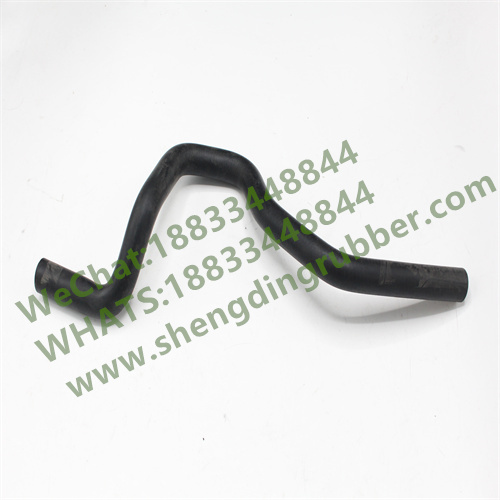
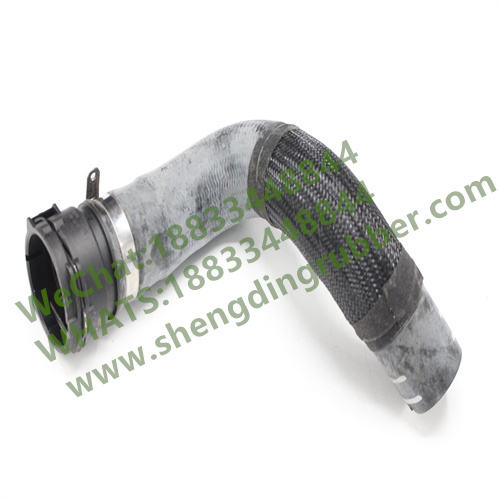
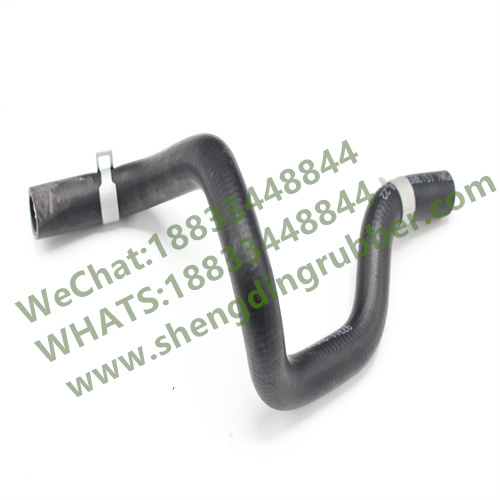
Rubber hoses are flexible tubes made from various types of rubber, designed to transport fluids and gases in automotive systems. These hoses are engineered to withstand high temperatures, pressures, and chemical exposure, making them a dependable choice for numerous applications. In vehicles, rubber hoses facilitate the movement of essential fluids, including coolant, fuel, oil, and more.
Composition of Rubber Hoses
The primary materials used in the manufacturing of rubber hoses include synthetic and natural rubber. **Synthetic rubber** offers enhanced resistance to heat and chemicals, while **natural rubber** provides superior flexibility and resilience. The combination of these materials ensures that rubber hoses can endure the demanding conditions found within a vehicle’s engine and other systems.
Types of Rubber Hoses in Automotive Applications
Rubber hoses are categorized based on their specific functions and applications within automotive systems. Understanding these categories is essential for selecting the appropriate hose for various vehicle needs.
Cooling System Hoses
Cooling system hoses are crucial for transporting coolant to and from the engine. These hoses maintain optimal engine temperatures, preventing overheating and ensuring efficient performance.
Fuel Hoses
Fuel hoses are designed to carry gasoline or diesel from the tank to the engine. These hoses are engineered to resist fuel components and high pressures, ensuring safe and efficient fuel delivery.
Oil Hoses
Oil hoses are essential for transmitting engine oil throughout the vehicle. They help keep the engine lubricated, reducing friction and wear on components.
Vacuum Hoses
Vacuum hoses play a pivotal role in controlling various engine functions, such as emissions control and power brake assistance. These hoses create a vacuum necessary for the operation of specific systems.
Brake Hoses
Brake hoses are vital for the hydraulic brake system. They transport brake fluid from the master cylinder to the brake calipers, enabling effective braking performance.
Functions of Rubber Hoses in Vehicle Systems
Rubber hoses serve multiple critical functions in automotive systems, contributing to vehicle safety, performance, and efficiency.
Fluid Transport
One of the primary functions of rubber hoses is the transport of various liquids and gases throughout the vehicle. The ability to move fluids effectively is fundamental in maintaining the operational integrity of automotive systems.
Temperature Regulation
Rubber hoses, particularly those in cooling systems, are essential for regulating engine temperatures. By facilitating the flow of coolant, they help prevent overheating and ensure optimal engine performance.
Pressure Management
In systems like fuel delivery and braking, rubber hoses are designed to handle high pressures. This pressure management is crucial for maintaining the safety and efficacy of these systems, preventing leaks and failures.
Benefits of Using Rubber Hoses in Vehicles
The inclusion of rubber hoses in automotive design offers numerous advantages that enhance vehicle performance and longevity.
Durability
Rubber hoses are built to withstand harsh conditions, including extreme temperatures, pressures, and chemical exposure. This durability ensures a longer lifespan and reduced maintenance costs.
Flexibility
The inherent flexibility of rubber hoses allows for easy installation and routing within complex engine compartments. This flexibility helps accommodate various engine designs and configurations.
Cost-Effectiveness
Rubber hoses are often more cost-effective compared to alternative materials. Their affordability, combined with their durability, makes them a preferred choice for many automotive applications.
Noise Reduction
Rubber hoses can also help in reducing noise and vibration within the vehicle. Their ability to absorb sound makes for a quieter, more comfortable ride.
Maintenance Tips for Rubber Hoses
Proper maintenance of rubber hoses is essential for ensuring their longevity and performance. Here are some tips to keep in mind.
Regular Inspections
Conduct routine inspections of rubber hoses for signs of wear, such as cracks, bulges, or abrasions. Early detection of issues can prevent costly repairs and ensure vehicle safety.
Correct Installation
Ensure that rubber hoses are installed correctly, with proper routing and secure connections. Incorrect installation can lead to premature failure and leaks.
Heat Protection
Use heat shields or insulation to protect rubber hoses from excessive heat generated by engine components, particularly in high-temperature areas.
Fluid Compatibility
Ensure that the fluids being transported through the hoses are compatible with the hose material. Using incompatible fluids can lead to degradation and failure of the hose.
Common Issues and Solutions
Despite their durability, rubber hoses can encounter various issues over time. Understanding these common problems helps in effective management.
Cracking and Drying
Over time, rubber hoses may crack or dry out due to exposure to heat and environmental factors. Regular inspections can help identify these issues early. Replacing damaged hoses promptly is crucial to prevent leaks.
Leaking Hoses
Leaks in rubber hoses can occur due to wear and tear or improper installation. Always monitor fluid levels and inspect hoses for leaks. If a leak is detected, immediate replacement is necessary.
Bulging or Swelling
Hoses may bulge or swell when exposed to excessive pressure or incompatible fluids. This condition can be dangerous, leading to hose failure. Replacing bulging hoses is essential for maintaining safety.
The Future of Rubber Hoses in Automotive Technology
As automotive technology continues to evolve, rubber hoses are also adapting to meet modern demands. Innovations in materials and manufacturing processes are paving the way for enhanced performance and sustainability.
Advancements in Materials
The development of new rubber compounds with improved chemical resistance and temperature tolerance is enhancing the durability and reliability of rubber hoses.
Increased Focus on Sustainability
With the automotive industry shifting towards more sustainable practices, manufacturers are exploring eco-friendly materials for rubber hoses, aiming to reduce environmental impact while maintaining performance.
Integration with Smart Technologies
The future may see the integration of smart technologies within rubber hoses, allowing for real-time monitoring of pressure, temperature, and fluid flow. This advancement could lead to enhanced vehicle diagnostics and performance optimization.
Conclusion
Rubber hoses are an integral part of automotive systems, providing essential functions such as fluid transport, temperature regulation, and pressure management. Understanding their various types, benefits, and maintenance requirements is crucial for vehicle safety and performance. As automotive technology continues to advance, the role of rubber hoses will evolve, emphasizing the importance of durability, sustainability, and innovation in ensuring the longevity and reliability of vehicles.
Frequently Asked Questions
1. How often should rubber hoses be inspected?
It is recommended to inspect rubber hoses at least once every six months or during regular vehicle maintenance checks.
2. Can I replace rubber hoses myself?
Yes, replacing rubber hoses can be a DIY task if you have the proper tools and knowledge. However, for complex systems, it is advisable to consult a professional mechanic.
3. What are the signs of a failing rubber hose?
Signs of a failing rubber hose include cracks, leaks, bulging, and unusual noises while the vehicle is in operation.
4. Are rubber hoses safe to use with all types of fluids?
No, it is vital to ensure that the fluids used are compatible with the rubber hose material to prevent degradation and failure.
5. What is the average lifespan of rubber hoses?
The lifespan of rubber hoses can vary significantly based on usage and environmental conditions, but they typically last between 4 to 10 years with proper maintenance.
Key words:
What Else Might You Learn?




Tel: +86-319-5539998
Phone/WhatsAPP: +86-18833448844
E-Mail:yanxinhao@hbshengdingautoparts.com
Address: Qinghe County Economic Development Zone, Xingtai City, Hebei Province