Enterprises Mainly Engaged In Automotive Hoses Products

Understanding the Significance of Rubber Hoses in Automotive Applications
Release Time:
Sep 11,2026
In the automotive industry, rubber hoses play a pivotal role, especially in horizontal components such as those identified by the keyword "13342541." These hoses are not merely functional parts; they are integral to the vehicle's overall performance and efficiency. Understanding their significance can help automotive professionals make informed decisions regarding their use and maintenance. Rubber
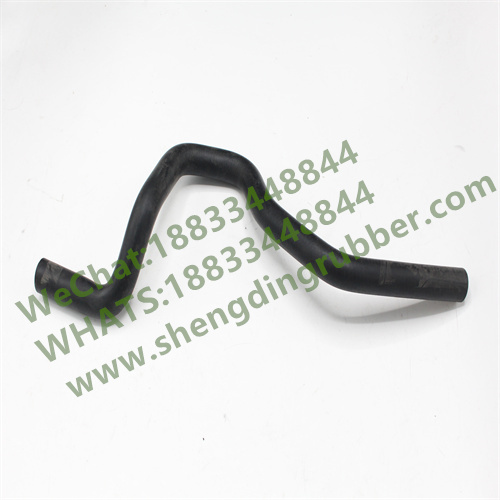
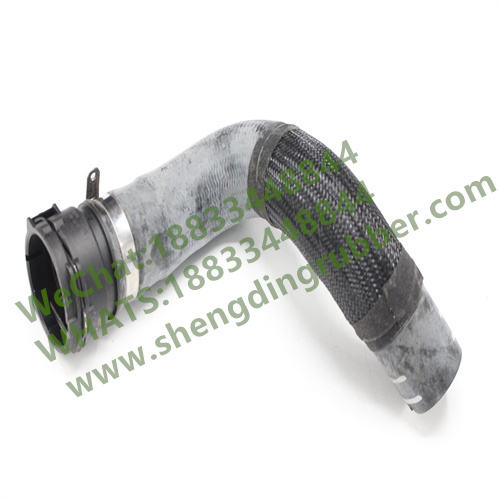
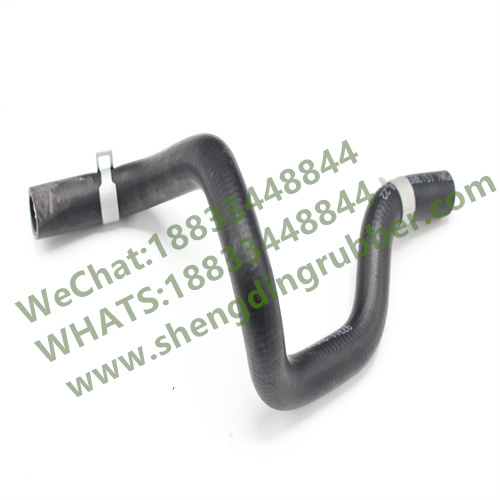
Rubber hoses are primarily used to transfer fluids, whether it be coolant, oil, fuel, or air, from one part of the vehicle to another. Their flexibility and durability make them suitable for various applications, including heating and cooling systems, brake systems, and the delivery of fuel. The versatility of rubber allows these hoses to withstand extreme temperatures and pressures, ensuring the optimal functioning of different automotive systems.
When it comes to types, rubber hoses vary based on their specific applications. For instance, fuel hoses are designed to handle gasoline and diesel, while coolant hoses are engineered for high-temperature and high-pressure environments. Additionally, there are specialized hoses for air intake systems, which need to be resistant to ozone and other environmental factors. Understanding these distinctions is crucial for selecting the right hose for a particular function, thereby enhancing vehicle safety and performance.
Maintenance of rubber hoses is another aspect that cannot be overlooked. Regular inspection for signs of wear, such as cracks, leaks, or fraying, is essential. Professional guidelines suggest replacing hoses every few years or following the manufacturer’s recommendations. Neglecting this maintenance can lead to catastrophic failures, which not only jeopardize the vehicle's functionality but also pose safety risks to drivers and passengers.
Moreover, the quality of rubber hoses directly impacts their longevity and reliability. Low-quality hoses may save costs initially, but they often lead to more significant expenses down the line due to frequent replacements and potential damage to other automotive components. Therefore, investing in high-quality rubber hoses is a smart choice for anyone looking to ensure the long-term health of their vehicle.
In summary, rubber hoses, including those relevant to the keyword "13342541," are essential components in the automotive sector. Understanding their types, applications, and maintenance requirements can significantly enhance vehicle performance and safety. By prioritizing quality and regular inspections, automotive professionals can ensure that these critical components function optimally, ultimately leading to improved reliability and efficiency on the road.
Key words:
What Else Might You Learn?




Tel: +86-319-5539998
Phone/WhatsAPP: +86-18833448844
E-Mail:yanxinhao@hbshengdingautoparts.com
Address: Qinghe County Economic Development Zone, Xingtai City, Hebei Province