Enterprises Mainly Engaged In Automotive Hoses Products

The Crucial Role of Automobile Hoses in Engine Cooling: Essential Insights for Every Driver
Release Time:
Jul 28,2026
The Crucial Role of Automobile Hoses in Engine Cooling: Essential Insights for Every Driver Introduction to Engine Cooling Systems In the intricate world of automotive engineering, cooling systems play a pivotal role in ensuring that engines operate at optimal temperatures. Overheating can lead to severe engine damage, making the understanding of every component, especially **automobile hoses**, e
The Crucial Role of Automobile Hoses in Engine Cooling: Essential Insights for Every Driver
Introduction to Engine Cooling Systems
In the intricate world of automotive engineering, cooling systems play a pivotal role in ensuring that engines operate at optimal temperatures. Overheating can lead to severe engine damage, making the understanding of every component, especially **automobile hoses**, essential for vehicle longevity. These hoses are the unseen heroes, responsible for transporting coolant throughout the engine and radiator, thus maintaining a balanced temperature.
Understanding Automobile Hoses: Types and Functions
What Are Automobile Hoses?
Automobile hoses are flexible tubes that transport fluids within a vehicle. They are integral to various systems, including the cooling, fuel, and brake systems.
Types of Hoses in the Cooling System
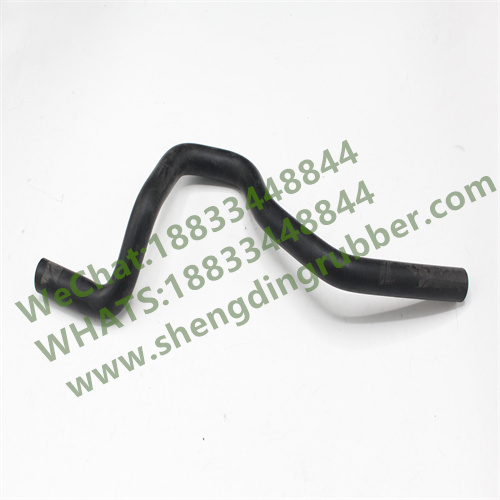
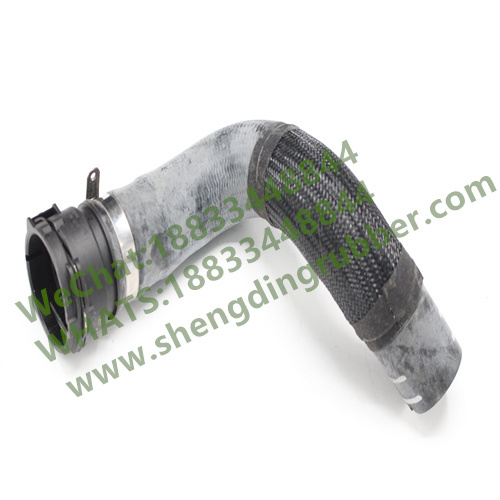
1. **Radiator Hoses**: These are crucial for transferring coolant between the engine and the radiator. They are typically categorized into upper and lower radiator hoses.
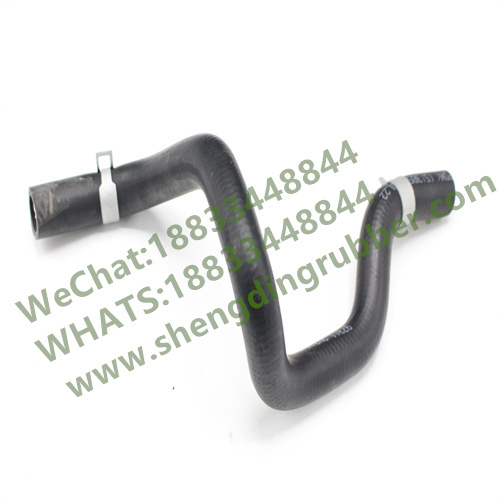
2. **Heater Hoses**: These hoses facilitate the flow of coolant to the vehicle's heating system, delivering warmth to the cabin when needed.
3. **Bypass Hoses**: These hoses allow coolant to circulate when the thermostat is closed, maintaining a consistent flow even when the engine is warming up.
The Materials Behind Automobile Hoses
Automobile hoses are made from various materials, including rubber, silicone, and reinforced plastics, each chosen for specific properties such as durability, heat resistance, and flexibility.
The Importance of Hoses in Engine Cooling
How Hoses Affect Engine Temperature Regulation
Proper cooling is vital for preventing engine overheating. Hoses are responsible for ensuring that coolant circulates efficiently, absorbing heat from the engine and dissipating it through the radiator. A malfunction in any of these hoses can lead to inadequate cooling, potentially resulting in overheating and catastrophic engine failure.
Signs of Hose Wear and Failure
Being vigilant about the condition of your automobile hoses can save you from costly repairs. Here are common symptoms indicating that your hoses may need inspection or replacement:
- **Cracks and Cuts**: Visible damage can lead to leaks and coolant loss.
- **Swelling or Bulges**: This often indicates excessive pressure and potential failure.
- **Leaking Coolant**: Puddles underneath your vehicle could signal a hose leak.
- **Overheating Engine**: Frequent overheating can be a sign of hose malfunction.
Maintenance Tips for Automobile Hoses
Regular Inspection Routines
Routine checks are essential for the longevity of your automobile hoses. Schedule inspections every six months or before long trips.
- **Visual Checks**: Look for cracks, discoloration, or swelling.
- **Feel for Softness**: Press your hoses to check for softness or brittleness.
Replacing Old Hoses
If your inspection reveals any significant wear, replacing your hoses promptly is crucial. Always opt for high-quality replacement hoses that meet OEM specifications to ensure reliability and performance.
DIY vs. Professional Replacement
While replacing hoses may seem straightforward, consider your mechanical skills. For those unfamiliar with automotive repairs, seeking professional help ensures the job is done correctly, preventing future issues.
Common Issues Related to Automobile Hoses
Coolant Leaks and Their Consequences
Coolant leaks can occur due to faulty hoses, leading to decreased coolant levels and increased engine temperatures. This can result in:
- **Engine Overheating**: A direct consequence of insufficient coolant flow.
- **Radiator Damage**: Prolonged leaks can cause radiator failure, further complicating repairs.
The Impact of Temperature Fluctuations
Extreme temperature changes can affect hose integrity. Cold weather can lead to brittleness, while excessive heat can cause hoses to soften and deform, resulting in leaks or bursts.
Upgrading to High-Performance Hoses
Why Consider High-Performance Hoses?
For automotive enthusiasts, upgrading to **high-performance hoses** can enhance cooling efficiency and durability. These hoses are designed to withstand higher pressures and temperatures, providing better resistance to wear and tear.
Top Brands to Consider
When selecting high-performance hoses, consider reputable brands known for quality and reliability:
- **Mishimoto**
- **Gates**
- **Dayco**
Frequently Asked Questions About Automobile Hoses
1. How often should I replace my automobile hoses?
It is advisable to inspect your hoses every 6 months and replace them every 4-5 years, depending on wear and usage.
2. Can I use any hose for my vehicle?
No, always use hoses that meet the manufacturer’s specifications to ensure proper fit and function.
3. What should I do if I notice a coolant leak?
If you detect a coolant leak, inspect your hoses immediately. If the damage is significant, replace the hose and check for other potential issues in the cooling system.
4. Are silicone hoses better than rubber hoses?
Silicone hoses generally offer better temperature resilience and flexibility compared to rubber hoses, making them a preferred choice for high-performance applications.
5. What are the signs of a failing thermostat related to hoses?
Symptoms include fluctuating engine temperatures, leaking coolant, and inconsistent cabin heating, which may indicate issues with the thermostat that could affect hose functionality.
Conclusion
Understanding the role of **automobile hoses** in engine cooling is crucial for every vehicle owner. From their various types and functions to maintenance practices and the importance of timely replacement, hoses are integral to your vehicle's performance and longevity. Regular inspections and awareness of potential issues can save you from costly repairs and ensure a smooth driving experience. By prioritizing the health of your automobile's cooling system, you not only protect your investment but also enhance your vehicle's reliability on the road.
Key words:
What Else Might You Learn?




Tel: +86-319-5539998
Phone/WhatsAPP: +86-18833448844
E-Mail:hbshengding@163.com
E-Mail:yanxinhao@hbshengdingautoparts.com
E-Mail:arya@hbshengdingautoparts.com
E-Mail:gogm_trade2@hbshengdingautoparts.com
Address: Qinghe County Economic Development Zone, Xingtai City, Hebei Province