Enterprises Mainly Engaged In Automotive Hoses Products

Ultimate Guide to Selecting the Perfect 667-308 Rubber Hose for Your Vehicle
Release Time:
Jul 18,2026
Ultimate Guide to Selecting the Perfect 667-308 Rubber Hose for Your Vehicle Table of Contents 1. Understanding the Importance of the 667-308 Rubber Hose 2. Key Features of the 667-308 Rubber Hose 3. Types of Rubber Hoses: Which One is Right for You? 4. Factors to Consider When Choosing the Right Rubber Hose 4.1. Material Quality and Durability 4.2. Temperature and Pressure Ratings
Ultimate Guide to Selecting the Perfect 667-308 Rubber Hose for Your Vehicle
Table of Contents
1. Understanding the Importance of the 667-308 Rubber Hose
2. Key Features of the 667-308 Rubber Hose
3. Types of Rubber Hoses: Which One is Right for You?
4. Factors to Consider When Choosing the Right Rubber Hose
4.1. Material Quality and Durability
4.2. Temperature and Pressure Ratings
4.3. Hose Length and Diameter
5. Installing Your 667-308 Rubber Hose
6. Common Issues and Troubleshooting Tips
7. Frequently Asked Questions (FAQs)
8. Conclusion: Ensuring Optimal Performance with the Right Hose
1. Understanding the Importance of the 667-308 Rubber Hose
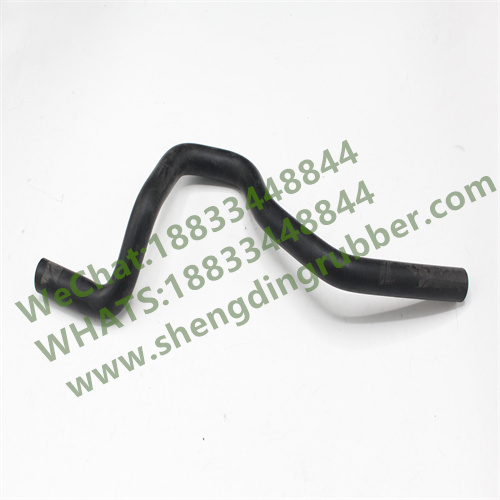
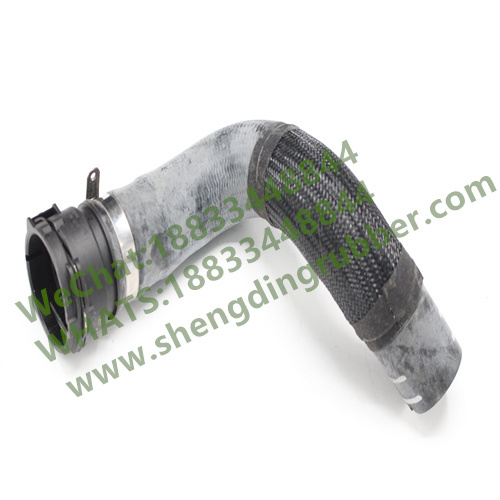
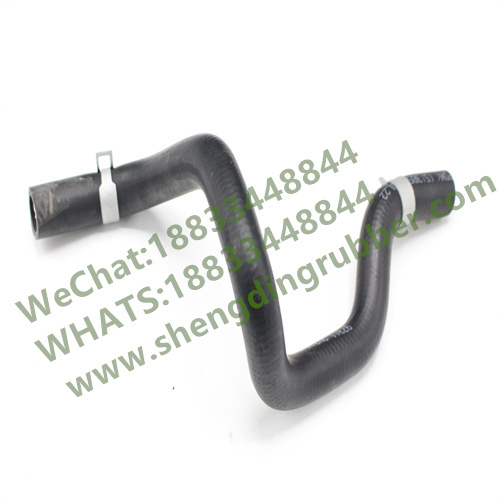
When it comes to maintaining your vehicle's performance, choosing the right components is vital. The **667-308 rubber hose** plays a critical role in the efficient functioning of various systems in your car, from coolant circulation to air intake. A high-quality rubber hose ensures that your engine runs smoothly, prevents leaks, and ultimately contributes to the longevity of your vehicle.
2. Key Features of the 667-308 Rubber Hose
The **667-308 rubber hose** is designed with specific features that cater to a variety of automotive applications. These include flexibility, resistance to abrasion, and compatibility with various fluids. Understanding these features will help you select the right hose that meets your specific needs.
3. Types of Rubber Hoses: Which One is Right for You?
Rubber hoses come in various types, each suited for different applications. The **667-308 rubber hose** is typically used in automotive systems, but it's essential to identify which specific type of hose is required for your vehicle. For instance, hoses can vary based on their intended use—coolant hoses, fuel hoses, and air hoses all have different properties and requirements.
4. Factors to Consider When Choosing the Right Rubber Hose
Selecting the appropriate rubber hose involves understanding several critical factors:
4.1. Material Quality and Durability
The material used in the 667-308 rubber hose significantly influences its durability and performance. Choose a hose made from high-quality rubber compounds that can withstand the rigors of automotive use, including exposure to heat, chemicals, and abrasion.
4.2. Temperature and Pressure Ratings
Every rubber hose has specific temperature and pressure ratings. Ensure the 667-308 hose you select meets or exceeds the operational requirements of your vehicle's systems. This ensures reliability and minimizes the risk of failures under extreme conditions.
4.3. Hose Length and Diameter
Correct hose length and diameter are essential for maintaining optimal flow rates and avoiding kinks or bends that could restrict fluid movement. Measure your current hoses carefully and choose replacements that match those specifications.
5. Installing Your 667-308 Rubber Hose
Proper installation of the 667-308 rubber hose is crucial for ensuring that your vehicle operates efficiently. Begin by removing the old hose, checking for any damage to the fittings, and ensuring that the new hose is correctly aligned. Use appropriate clamps to secure the hose in place and double-check for leaks after installation.
6. Common Issues and Troubleshooting Tips
Despite careful selection and installation, issues can still arise with rubber hoses. Common problems include leaks, cracks, and kinks. Regularly inspect your hoses for signs of wear and tear. If you notice any issues, address them immediately to prevent bigger problems down the line.
7. Frequently Asked Questions (FAQs)
What is the lifespan of a 667-308 rubber hose?
The lifespan of a rubber hose can vary based on usage, environmental conditions, and maintenance. Generally, a high-quality hose should last several years.
How can I tell if my rubber hose needs replacing?
Look for signs of wear such as cracks, bulges, leaks, or a decrease in performance. If you notice any of these issues, it's time to consider replacement.
Can I use a different type of rubber hose instead of the 667-308?
While it may be tempting to substitute with a different hose, always use the specified 667-308 rubber hose for optimal performance and safety.
How do I ensure a proper fit when replacing my rubber hose?
Measure the diameter and length of your existing hose before purchasing a replacement. Consult your vehicle’s manual for the exact specifications.
Is it necessary to use clamps with a rubber hose?
Yes, using the correct clamps is essential to ensure a secure fit and prevent leaks. Always check that clamps are properly tightened during installation.
8. Conclusion: Ensuring Optimal Performance with the Right Hose
Selecting the right **667-308 rubber hose** for your vehicle is a critical aspect of automotive maintenance that can lead to enhanced performance and longevity. By understanding the features, types, and installation techniques, you can make informed decisions that will keep your car running smoothly. Remember to regularly inspect your hoses and address any issues promptly to ensure your vehicle remains in peak condition. With the right hose in place, you can enjoy peace of mind knowing you are taking the best possible care of your automotive needs.
Key words:
What Else Might You Learn?




Tel: +86-319-5539998
Phone/WhatsAPP: +86-18833448844
E-Mail:hbshengding@163.com
E-Mail:yanxinhao@hbshengdingautoparts.com
E-Mail:arya@hbshengdingautoparts.com
E-Mail:gogm_trade2@hbshengdingautoparts.com
Address: Qinghe County Economic Development Zone, Xingtai City, Hebei Province