Enterprises Mainly Engaged In Automotive Hoses Products

Essential Guide: Why You Should Regularly Inspect Your Vehicle’s Rubber Hoses
Release Time:
Jul 08,2026
Essential Guide: Why You Should Regularly Inspect Your Vehicle’s Rubber Hoses Table of Contents Understanding Rubber Hoses in Vehicles Importance of Rubber Hoses in Automotive Systems Common Types of Rubber Hoses in Vehicles Signs of Worn or Damaged Rubber Hoses How to Inspect Your Vehicle's Rubber Hoses Preventive Maintenance for Rubber Hoses The Consequences of Negle
Essential Guide: Why You Should Regularly Inspect Your Vehicle’s Rubber Hoses
Table of Contents
- Understanding Rubber Hoses in Vehicles
- Importance of Rubber Hoses in Automotive Systems
- Common Types of Rubber Hoses in Vehicles
- Signs of Worn or Damaged Rubber Hoses
- How to Inspect Your Vehicle's Rubber Hoses
- Preventive Maintenance for Rubber Hoses
- The Consequences of Neglecting Hose Inspections
- Frequently Asked Questions
Understanding Rubber Hoses in Vehicles
Rubber hoses are an essential component in any vehicle's engineering. They serve various functions, including transporting fluids, gases, and gases under pressure. The flexibility and durability of rubber make it a preferred choice for manufacturing these hoses. However, despite their robust nature, rubber hoses can degrade over time due to heat, exposure to chemicals, and general wear and tear.
Importance of Rubber Hoses in Automotive Systems
Rubber hoses play a crucial role in multiple systems within your vehicle, including:
Cooling Systems
Rubber hoses are integral to the cooling system, transporting coolant from the radiator to the engine and back. A leak in these hoses can lead to overheating, causing severe damage to the engine.
Fuel Systems
In the fuel system, rubber hoses transport gasoline or diesel from the fuel tank to the engine. Damaged fuel hoses can lead to leaks, which pose a fire risk and compromise vehicle performance.
Vacuum Systems
Rubber hoses are also responsible for the vacuum systems that control various engine functions. A damaged vacuum hose can affect engine performance and fuel efficiency, leading to higher emissions.
Common Types of Rubber Hoses in Vehicles
When it comes to rubber hoses, several types are commonly found in vehicles:
Radiator Hoses
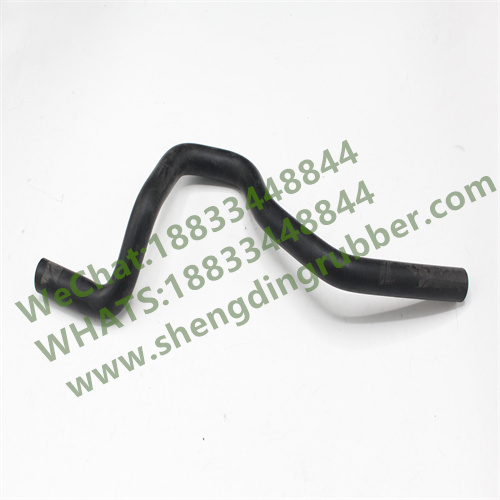
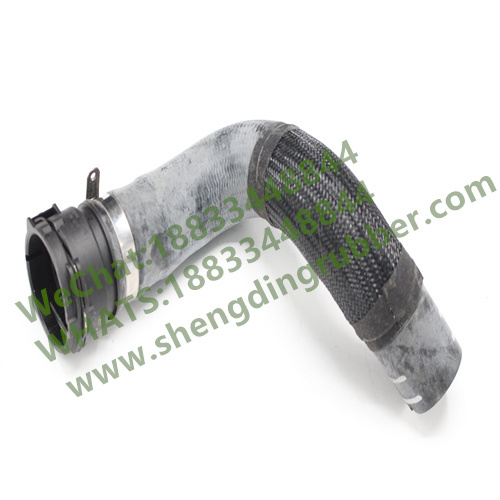
Radiator hoses connect the engine to the radiator, playing a pivotal role in maintaining the engine’s temperature.
Heater Hoses
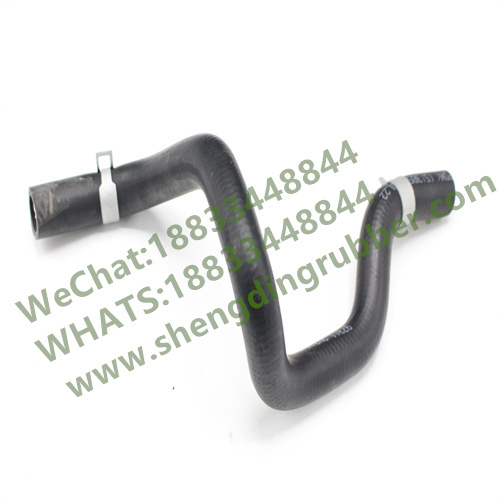
Heater hoses circulate coolant through the heater core, providing warmth to the vehicle’s interior during colder months.
Fuel Hoses
These hoses transport fuel from the tank to the engine, and they must withstand various environmental conditions.
Vacuum Hoses
Vacuum hoses connect various components and systems, including emissions controls and brake boosters.
Signs of Worn or Damaged Rubber Hoses
Regular inspections can help identify issues before they escalate. Look out for the following signs of worn or damaged rubber hoses:
Cracks and Splits
Visible cracks or splits in the rubber indicate degradation and compromise the hose’s integrity.
Leaks
Puddles or spots of fluid beneath your vehicle may signal a leaking hose. Pay attention to the color and texture of the fluid to identify its source.
Swelling or Bulging
If a hose appears swollen or bulging, it may be at risk of bursting, necessitating immediate inspection.
Soft Spots
A hose that feels soft or mushy is likely losing its structural integrity and may require replacement.
How to Inspect Your Vehicle's Rubber Hoses
Conducting a thorough inspection of your vehicle's rubber hoses can be straightforward if you follow these steps:
Gather Necessary Tools
Before starting, gather tools such as a flashlight, gloves, and possibly a pry tool to help you inspect hoses in hard-to-reach areas.
Visual Inspection
Begin with a visual inspection of all accessible hoses. Look for signs of wear, including cracks, bulges, or discoloration.
Physical Examination
Using your hands, feel the hoses for softness or hardening. Check for any signs of leaks or fluid accumulation around the hoses.
Check Connections
Ensure that all connections to the hoses are secure and free of corrosion. Loose connections can lead to leaks and decreased performance.
Consult Vehicle Manual
Refer to your vehicle’s manual for specific recommendations on hose inspection intervals and replacement schedules.
Preventive Maintenance for Rubber Hoses
Regular maintenance can extend the life of your rubber hoses. Here are some effective strategies:
Routine Inspections
Incorporate hose inspections into your regular vehicle maintenance schedule. Aim to check hoses at least once every six months.
Replace Old Hoses
If hoses show significant signs of wear, it’s best to replace them proactively rather than waiting for a failure.
Protect from Heat and Chemicals
Ensure hoses are kept away from excessive heat sources and harmful chemicals that could accelerate degradation.
Use Quality Parts
When replacing hoses, opt for high-quality, OEM (Original Equipment Manufacturer) parts to ensure optimal performance and longevity.
The Consequences of Neglecting Hose Inspections
Neglecting to inspect and maintain rubber hoses can lead to several severe consequences:
Increased Repair Costs
A small leak can quickly escalate into a more significant issue, leading to costly repairs if not addressed promptly.
Decreased Performance
Damaged hoses can lead to decreased engine performance, reduced fuel efficiency, and overall poor vehicle operation.
Safety Risks
Leaking fuel hoses can pose fire hazards, while cooling system failures can lead to overheating and potential engine failure.
Shortened Vehicle Lifespan
Regular neglect may ultimately shorten the lifespan of your vehicle, leading to premature replacements and increased overall costs.
Frequently Asked Questions
How often should I inspect my vehicle's rubber hoses?
We recommend inspecting your rubber hoses at least every six months or whenever you check your vehicle’s fluids.
What should I do if I find a damaged rubber hose?
If you discover a damaged hose, it’s best to replace it immediately to prevent further issues.
Can I replace rubber hoses myself?
Yes, with the right tools and knowledge, you can replace rubber hoses yourself. However, if you’re unsure, consult a professional mechanic.
What causes rubber hoses to wear out?
Rubber hoses can wear out due to various factors, including heat exposure, chemical corrosion, and general wear and tear over time.
Are there special cleaning methods for rubber hoses?
Yes, you can clean rubber hoses with a mild soap solution and a soft brush. Avoid harsh chemicals that could degrade the rubber.
Conclusion
Regularly inspecting your vehicle’s rubber hoses is crucial for maintaining the health and performance of your automobile. By understanding the importance of these hoses, recognizing the signs of wear, and implementing a consistent inspection routine, we can prevent costly repairs, ensure safer driving conditions, and extend the lifespan of our vehicles. Don’t overlook this essential maintenance task—protect your investment by giving your rubber hoses the attention they deserve.
Key words:
What Else Might You Learn?




Tel: +86-319-5539998
Phone/WhatsAPP: +86-18833448844
E-Mail:hbshengding@163.com
E-Mail:yanxinhao@hbshengdingautoparts.com
E-Mail:arya@hbshengdingautoparts.com
E-Mail:gogm_trade2@hbshengdingautoparts.com
Address: Qinghe County Economic Development Zone, Xingtai City, Hebei Province