Enterprises Mainly Engaged In Automotive Hoses Products

The Essential Guide to Understanding Rubber Hoses in Automotive Applications
Release Time:
Jul 03,2026
When it comes to automotive systems, one crucial component that often goes unnoticed is the rubber hose. These flexible tubes play an essential role in various applications within a vehicle, including coolant systems, fuel delivery, and air intake. Understanding the significance of rubber hoses, particularly in the context of automotive horizontal components, can enhance your knowledge and help yo
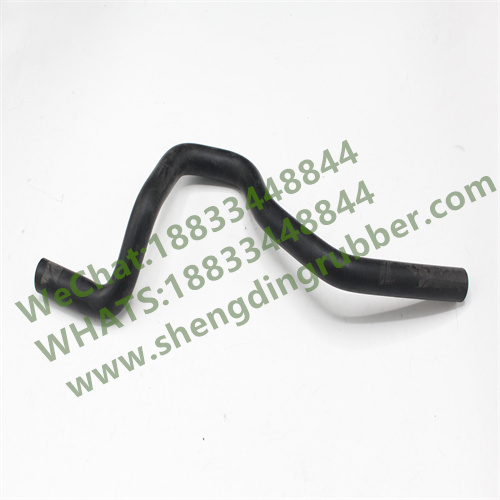
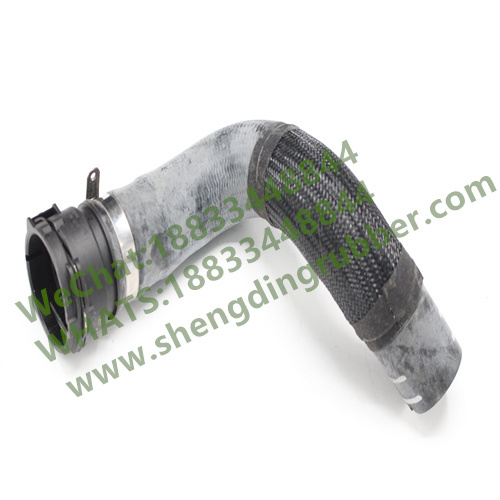
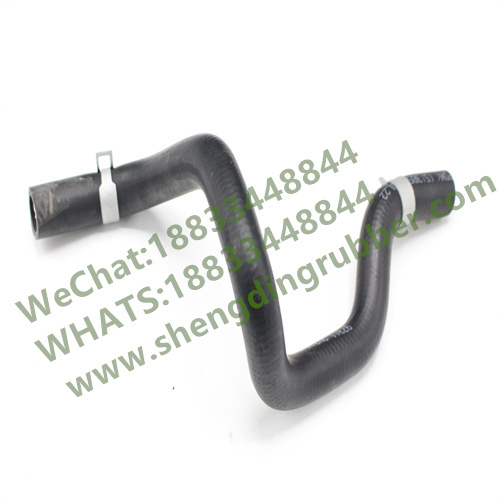
Rubber hoses are primarily designed to transport fluids and gases within a vehicle. They are made from durable materials that can withstand high temperatures, pressure, and exposure to various chemicals. The versatility of rubber hoses allows them to be used in a wide range of applications, from carrying coolant in the radiator to delivering fuel to the engine.
There are several types of rubber hoses used in automotive applications. Some common categories include coolant hoses, fuel hoses, air intake hoses, and vacuum hoses. Each type serves a specific function and is engineered to meet the demands of its application. For instance, coolant hoses are designed to handle the high temperatures and pressures of the engine's cooling system, while fuel hoses are made to resist the corrosive nature of petroleum-based fuels.
One key aspect to consider when dealing with rubber hoses is the importance of regular maintenance. Over time, rubber can deteriorate due to factors like heat, exposure to chemicals, and general wear and tear. Signs of wear may include cracking, bulging, or leaking. It's vital to inspect hoses regularly and replace any that show signs of damage to prevent potential system failures that could lead to costly repairs.
Another important consideration is the proper installation of rubber hoses. Ensuring that hoses are securely attached and routed correctly is essential to avoid kinks, which can restrict fluid flow and lead to overheating or engine performance issues. Additionally, using the correct clamps and fittings is crucial for maintaining a tight seal.
In conclusion, rubber hoses are a fundamental part of automotive systems, including horizontal components specific to vehicles. By understanding their functions, types, and maintenance needs, you can ensure the longevity and efficiency of your vehicle. Regular inspections and timely replacements can help avoid unexpected breakdowns, making it essential for every vehicle owner to be aware of the condition of their rubber hoses. Remember, a small investment in the maintenance of these components can result in significant savings in the long run.
Key words:
What Else Might You Learn?




Tel: +86-319-5539998
Phone/WhatsAPP: +86-18833448844
E-Mail:hbshengding@163.com
E-Mail:yanxinhao@hbshengdingautoparts.com
E-Mail:arya@hbshengdingautoparts.com
E-Mail:gogm_trade2@hbshengdingautoparts.com
Address: Qinghe County Economic Development Zone, Xingtai City, Hebei Province