Enterprises Mainly Engaged In Automotive Hoses Products

Why Rubber Hoses are Essential for Your Car's Efficiency
Release Time:
May 29,2026
Why Rubber Hoses are Essential for Your Car's Efficiency Table of Contents Understanding Rubber Hoses Types of Rubber Hoses in Automobiles Functions of Rubber Hoses in Vehicles Importance of Maintaining Rubber Hoses Signs of Wear and Tear Choosing the Right Rubber Hose for Your Vehicle Benefits of Using Quality Rubber Hoses Frequently Asked Ques
Why Rubber Hoses are Essential for Your Car's Efficiency
Table of Contents
- Understanding Rubber Hoses
- Types of Rubber Hoses in Automobiles
- Functions of Rubber Hoses in Vehicles
- Importance of Maintaining Rubber Hoses
- Signs of Wear and Tear
- Choosing the Right Rubber Hose for Your Vehicle
- Benefits of Using Quality Rubber Hoses
- Frequently Asked Questions
- Conclusion
Understanding Rubber Hoses
Rubber hoses are flexible tubes made from synthetic or natural rubber materials, designed to transport fluids, air, or gases within a vehicle. They serve various critical functions, contributing to the overall performance and efficiency of your car. Understanding rubber hoses involves recognizing their composition, which often includes additives for enhanced durability, resistance to heat, and flexibility. This knowledge is paramount for car owners seeking to maintain or improve their vehicle’s efficiency.
Types of Rubber Hoses in Automobiles
The automotive industry utilizes several types of rubber hoses, each tailored for specific functions. Here are some of the most common:
Coolant Hoses
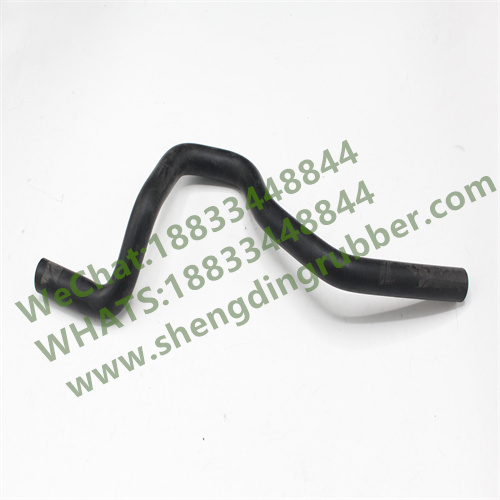
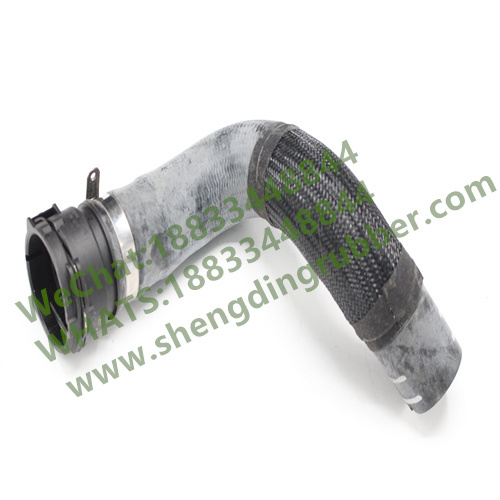
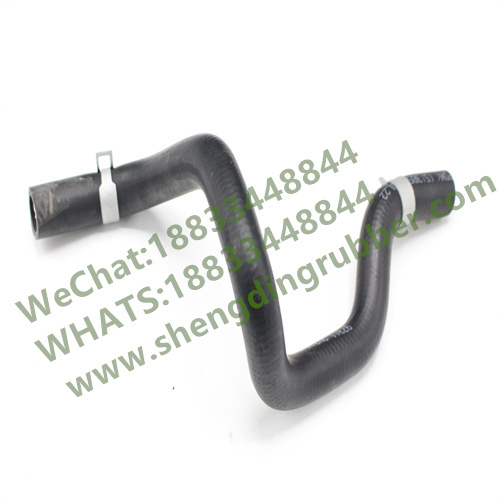
Coolant hoses carry the engine's cooling fluid, ensuring that your car does not overheat. These hoses are typically made from reinforced rubber to withstand high temperatures and pressure.
Fuel Hoses
Fuel hoses transport gasoline or diesel from the tank to the engine. They must be resistant to fuel additives and have low permeability to prevent fuel leaks.
Brake Hoses
Brake hoses are essential for the hydraulic brake system, connecting the brake lines to the brake calipers. These hoses must withstand high pressure and should be durable to ensure safety.
Air Intake Hoses
Air intake hoses connect the air filter to the engine, providing the necessary airflow for combustion. They are typically flexible to accommodate engine movement.
Power Steering Hoses
Power steering hoses transport hydraulic fluid from the pump to the steering rack, allowing for smooth steering operation. These hoses must be able to handle high pressure and resist wear.
Functions of Rubber Hoses in Vehicles
Rubber hoses serve multiple functions that are vital for vehicle efficiency:
Fluid Transport
One primary function is fluid transport. Whether it’s coolant, fuel, or brake fluid, rubber hoses ensure that these essential liquids flow seamlessly throughout the vehicle’s systems.
Pressure Regulation
Rubber hoses also help maintain pressure within various systems. For instance, brake hoses must withstand high pressures to ensure optimal braking performance.
Temperature Regulation
Cooling system hoses play a significant role in maintaining the engine’s temperature. They transport coolant to absorb heat, preventing the engine from overheating.
Dampening Vibration
The flexibility of rubber hoses allows them to absorb vibrations, providing a smoother operation for various automotive systems, such as the air intake and power steering.
Importance of Maintaining Rubber Hoses
Regular maintenance of rubber hoses is crucial for ensuring your vehicle operates efficiently. Neglecting hose maintenance can lead to leaks, malfunctions, or even severe engine damage. Here’s why maintenance matters:
Preventing Leaks
Routine inspections can help identify signs of wear, preventing leaks that could lead to fluid loss and operational failure. This is especially crucial for coolant and brake hoses.
Extending Lifespan
Proper maintenance can extend the lifespan of rubber hoses, reducing the need for replacements and saving you money in the long run.
Enhancing Performance
Maintained rubber hoses contribute to better vehicle performance. For example, well-functioning coolant hoses ensure that the engine remains at optimal operating temperatures, improving fuel efficiency.
Signs of Wear and Tear
It’s essential to recognize the signs of wear and tear in rubber hoses to address issues before they escalate:
Cracks and Splits
Inspect hoses for visible cracks or splits, which can lead to leaks. Even small cracks can become significant problems if left unchecked.
Brittleness
If hoses feel brittle or hard, they may be nearing the end of their life. This can be caused by exposure to heat or chemicals.
Leaking Fluids
Any sign of leaking fluids near the hoses indicates a problem. It’s essential to investigate leaks immediately to prevent further damage.
Choosing the Right Rubber Hose for Your Vehicle
Selecting the appropriate rubber hose is critical for maintaining vehicle efficiency. Here are factors to consider:
Vehicle Specifications
Always refer to your vehicle’s specifications to ensure compatibility. Check the manufacturer’s guidelines for hose types and sizes.
Material Quality
Opt for hoses made from high-quality materials. Look for hoses with added features such as heat resistance and flexibility, which can enhance performance.
Brand Reputation
Consider reputable brands known for their quality. Investing in recognized brands can ensure that you’re purchasing reliable and durable hoses.
Benefits of Using Quality Rubber Hoses
Investing in quality rubber hoses can provide numerous advantages:
Improved Efficiency
High-quality hoses improve the overall efficiency of various systems, from cooling to fuel delivery, leading to better performance and fuel economy.
Safety Enhancements
Using durable rubber hoses in critical systems like brakes ensures the safety of the vehicle and its occupants. Quality hoses are less likely to fail under pressure.
Cost Savings
While quality hoses may have a higher upfront cost, they tend to last longer and require fewer replacements, resulting in significant savings over time.
Frequently Asked Questions
1. How often should I check my rubber hoses?
It’s advisable to inspect rubber hoses at least once a year during regular maintenance or any time you notice performance issues.
2. Can I replace rubber hoses myself?
If you have mechanical knowledge and the right tools, you can replace rubber hoses yourself. However, for safety and performance reasons, consider consulting a professional mechanic.
3. What causes rubber hoses to deteriorate?
Factors such as exposure to heat, chemicals, and environmental conditions can cause rubber hoses to deteriorate over time.
4. How can I extend the life of my rubber hoses?
Regular inspections, cleaning, and choosing high-quality hoses can help extend their lifespan. Avoiding exposure to extreme temperatures and chemicals is also beneficial.
5. What should I do if I find a leak in my rubber hose?
If you identify a leak, it is crucial to address it immediately. Depending on the severity, you may need to repair or replace the hose.
Conclusion
Rubber hoses are indispensable components of your vehicle, playing a vital role in ensuring optimal efficiency and safety. From transporting essential fluids to maintaining pressure and temperature, these hoses are fundamental to your car's performance. Regular maintenance and choosing high-quality hoses contribute significantly to your vehicle's longevity and efficiency. By understanding the importance of rubber hoses, you can take proactive steps to ensure that your vehicle operates at its best, providing safety and reliability for years to come. Make informed choices and keep your car running smoothly with the right rubber hoses.
Key words:
What Else Might You Learn?




Tel: +86-319-5539998
Phone/WhatsAPP: +86-18833448844
E-Mail:hbshengding@163.com
E-Mail:yanxinhao@hbshengdingautoparts.com
E-Mail:arya@hbshengdingautoparts.com
E-Mail:gogm_trade2@hbshengdingautoparts.com
Address: Qinghe County Economic Development Zone, Xingtai City, Hebei Province