Enterprises Mainly Engaged In Automotive Hoses Products

Understanding the Significance of 667-308 in Automotive Rubber Hoses
Release Time:
May 16,2026
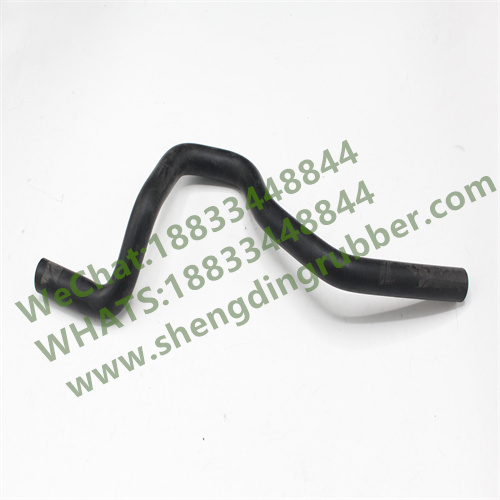
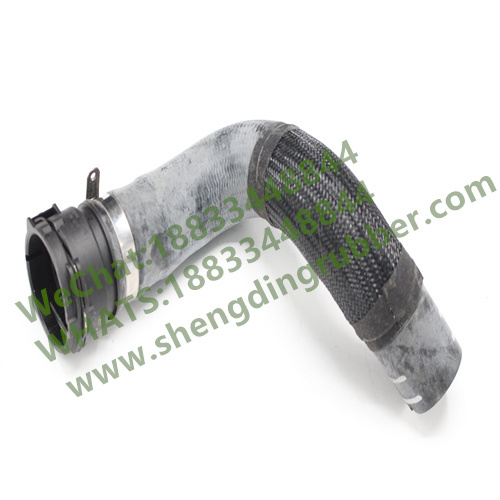
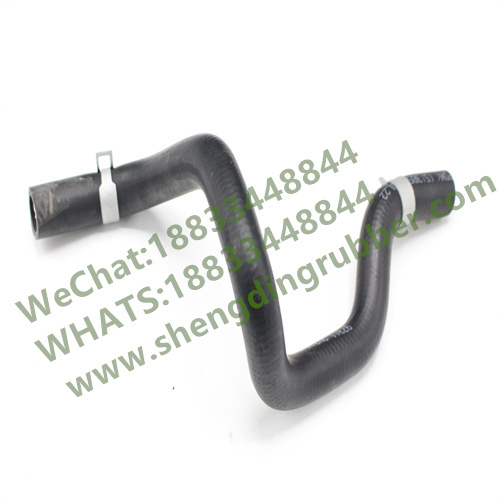
In the automotive and motorcycle components industry, particularly when it comes to horizontal parts such as rubber hoses, the designation "667-308" serves as a critical reference point for manufacturers, suppliers, and engineers. Rubber hoses are essential components that facilitate the transfer of fluids and gases in various systems, including cooling, heating, and fuel delivery. Understanding t
Firstly, rubber hoses classified under the 667-308 designation are engineered to meet certain performance standards, which can include pressure tolerances, temperature ranges, and chemical resistance. When sourcing or designing rubber hoses, it is essential to consider these specifications to ensure that they can withstand the operational demands of automobile systems. Proper selection of rubber hoses can lead to increased vehicle reliability and decreased maintenance costs over time.
Moreover, the 667-308 rubber hoses are often used in a variety of automotive applications, including but not limited to brake systems, coolant systems, and air intake systems. Each application requires specific properties from the rubber hoses, such as flexibility, durability, and resistance to environmental factors. For instance, hoses in the coolant system must be able to handle high temperatures and pressures without degrading, while those in the fuel system must be resistant to chemical corrosion.
Furthermore, understanding the 667-308 classification can also enhance safety. Poorly chosen or defective rubber hoses can lead to leaks, pressure failures, or even catastrophic system failures, which can pose severe risks to both vehicle performance and driver safety. Therefore, it is paramount for professionals in the industry to familiarize themselves with the specifications associated with this designation.
In addition to performance and safety, the sustainability aspect of rubber hoses should not be overlooked. As the automotive industry moves towards greener practices, the demand for rubber hoses made from eco-friendly materials and manufacturing processes is on the rise. Understanding the implications of 667-308 in this context might enable professionals to make more informed choices that contribute to environmental conservation.
In conclusion, the 667-308 designation is more than just a number; it represents a wealth of knowledge regarding the performance and application of rubber hoses in the automotive sector. By grasping its significance, industry professionals can ensure they are making informed decisions that promote safety, reliability, and sustainability in automotive design and maintenance.
Key words:
What Else Might You Learn?




Tel: +86-319-5539998
Phone/WhatsAPP: +86-18833448844
E-Mail:hbshengding@163.com
E-Mail:yanxinhao@hbshengdingautoparts.com
E-Mail:arya@hbshengdingautoparts.com
E-Mail:gogm_trade2@hbshengdingautoparts.com
Address: Qinghe County Economic Development Zone, Xingtai City, Hebei Province