Enterprises Mainly Engaged In Automotive Hoses Products

The Importance of Rubber Hoses in Automotive Maintenance
Release Time:
May 13,2026
The Importance of Rubber Hoses in Automotive Maintenance In the intricate world of automotive maintenance, rubber hoses play a pivotal role that often goes unnoticed. These flexible components are critical for various systems within a vehicle, ensuring optimal performance and safety. Understanding the importance of rubber hoses can help vehicle owners and mechanics alike in maintaining their cars
The Importance of Rubber Hoses in Automotive Maintenance
In the intricate world of automotive maintenance, rubber hoses play a pivotal role that often goes unnoticed. These flexible components are critical for various systems within a vehicle, ensuring optimal performance and safety. Understanding the importance of rubber hoses can help vehicle owners and mechanics alike in maintaining their cars effectively.
Understanding Rubber Hoses in Automotive Systems
Rubber hoses are essential components that facilitate the movement of fluids within a vehicle. They are used in various applications, including coolant systems, fuel delivery, and brake systems. These hoses are designed to withstand extreme temperatures, pressures, and harsh chemicals, making them indispensable in automotive engineering.
Types of Rubber Hoses Used in Vehicles
There are several types of rubber hoses designed for specific applications. Each type is constructed to handle the unique demands of different automotive systems:
1. Coolant Hoses
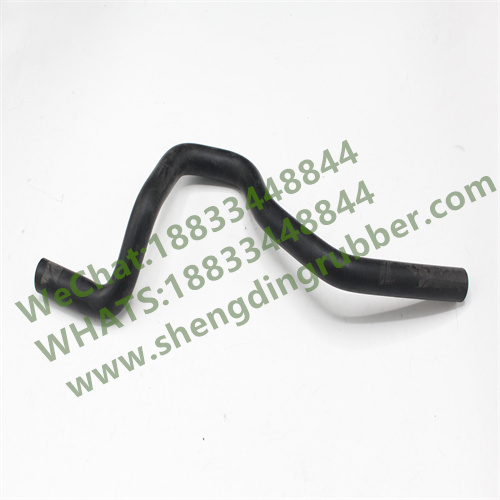
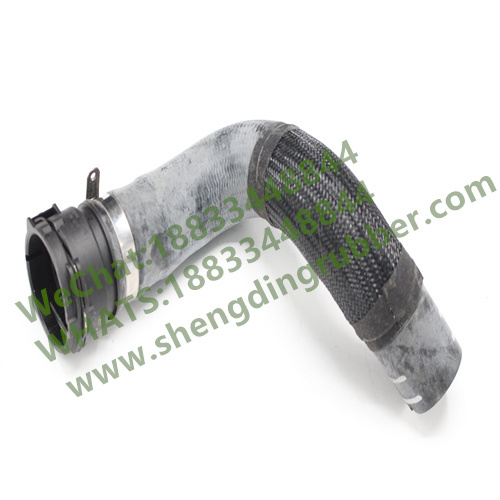
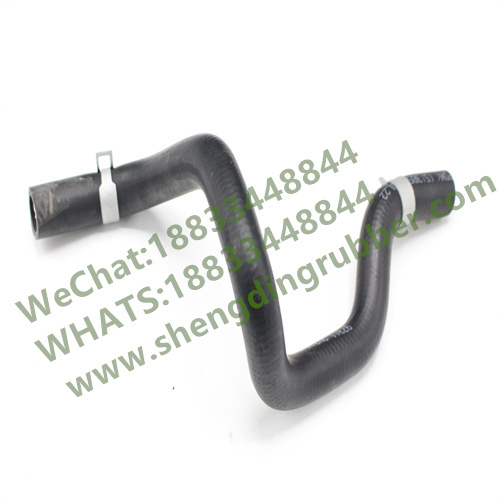
Coolant hoses transport engine coolant to and from the radiator. These hoses are designed to endure high temperatures and resist corrosion from antifreeze and other chemicals.
2. Fuel Hoses
Fuel hoses deliver gasoline or diesel from the tank to the engine. They must be resistant to fuel, high pressure, and temperature fluctuations to prevent leaks and maintain proper fuel flow.
3. Brake Hoses
Brake hoses are crucial for hydraulic brake systems. They connect the brake pedal to the brake calipers, transmitting pressure to stop the vehicle. These hoses must be robust to handle high pressure and prevent failure during critical moments.
4. Power Steering Hoses
Power steering hoses transmit hydraulic fluid to assist in steering. These hoses must be flexible and durable to withstand the constant movement and pressure changes when steering.
5. Air Conditioning Hoses
Air conditioning hoses carry refrigerant throughout the AC system. They must be designed to handle both high and low pressures while resisting temperatures that can fluctuate dramatically.
The Role of Rubber Hoses in Automotive Functionality
Rubber hoses support the efficient functioning of various automotive systems. Their roles extend beyond merely transporting fluids; they also contribute to the vehicle’s overall performance and safety.
Enhancing Engine Performance
Properly functioning rubber hoses are crucial for maintaining the engine's performance. For instance, a malfunctioning coolant hose can lead to overheating, resulting in severe engine damage. Ensuring that all rubber hoses are in good condition is essential for optimal engine performance.
Ensuring Vehicle Safety
Brake hoses, in particular, are vital for ensuring vehicle safety. A worn or damaged brake hose can result in brake failure, leading to accidents. Regular inspection and maintenance of rubber hoses can significantly reduce the risk of such critical failures.
Signs of Worn or Damaged Rubber Hoses
It's essential for vehicle owners to recognize the signs of worn or damaged rubber hoses. Early detection can prevent costly repairs and enhance safety.
1. Cracks and Splits
Visible cracks or splits on the surface of a rubber hose indicate deterioration. These issues can lead to leaks, compromising the system's function.
2. Leaking Fluids
If you notice fluid leaks around the hoses, it may indicate a failure. Identifying the source of the leak and replacing the hose promptly is crucial.
3. Bulging or Swelling
Hoses that appear swollen or bulging may be under excessive pressure or heat. This condition requires immediate attention to prevent rupture.
4. Soft or Brittle Texture
A rubber hose should feel firm and flexible. If it feels soft or brittle, it may be time for a replacement.
Maintaining Rubber Hoses for Longevity
Proper maintenance can extend the lifespan of rubber hoses and ensure they function effectively. Here are some tips for maintaining these essential components.
1. Regular Inspections
Conduct regular visual inspections of rubber hoses for signs of wear, such as cracks, leaks, and bulges. Early detection can prevent larger issues down the line.
2. Keep Connections Clean
Ensure that the connections between hoses and fittings are clean. Dirt and debris can cause damage and lead to leaks.
3. Avoid Overheating
Prevent overheating of rubber hoses by ensuring the cooling system is functioning correctly. Regularly check coolant levels and the condition of the radiator.
4. Replace Worn Hoses Promptly
If a hose shows signs of wear, replace it immediately. Delaying repairs can lead to more significant issues and increased repair costs.
5. Use High-Quality Hoses
When replacing hoses, choose high-quality components that meet or exceed OEM specifications. Quality hoses are designed to withstand the specific demands of your vehicle.
Choosing the Right Rubber Hoses for Your Vehicle
Selecting the correct rubber hoses is vital for ensuring your vehicle operates efficiently. Consider the following factors when choosing hoses:
1. Compatibility
Ensure that the hoses you select are compatible with your vehicle's make and model. Verify that they meet the required specifications for pressure, temperature, and chemical resistance.
2. Material Quality
Opt for hoses made from high-grade rubber, such as EPDM or silicone. These materials offer superior resistance to heat, oil, and ozone, providing better longevity.
3. Length and Diameter
Measure the length and diameter of the existing hoses before purchasing replacements. Proper sizing is crucial for maintaining optimal flow and pressure.
4. Brand Reputation
Choose hoses from reputable manufacturers known for their reliability and performance. Research customer reviews and recommendations to make an informed decision.
FAQs about Rubber Hoses in Automotive Maintenance
1. How often should I check my rubber hoses?
It's advisable to inspect your rubber hoses at least every six months or during regular maintenance. Look for signs of wear, damage, or leaks.
2. Can I repair a damaged rubber hose?
While some minor damage may be repairable with hose clamps or sealants, it's generally safer and more effective to replace damaged hoses to ensure optimal performance.
3. What is the average lifespan of rubber hoses?
The lifespan of rubber hoses can vary depending on the material and usage, but they typically last between 4 to 10 years. Regular inspections can help identify when they need replacement.
4. How can I prevent my rubber hoses from cracking?
To prevent cracking, maintain appropriate fluid levels, avoid exposing hoses to extreme temperatures, and ensure that your vehicle’s cooling system is functioning properly.
5. Are silicone hoses better than rubber hoses?
Silicone hoses often offer better heat resistance and durability compared to standard rubber hoses, making them a preferred choice for high-performance applications. However, they can be more expensive.
Conclusion
Rubber hoses are an integral part of automotive maintenance, playing vital roles in fluid transport and system efficiency. Regular inspections and timely replacements can enhance vehicle performance and safety. By understanding the different types of rubber hoses and their importance, vehicle owners can make informed choices that ensure their cars remain in excellent condition. Prioritizing the maintenance of these components is essential for anyone who values the longevity and reliability of their vehicle.
Key words:
What Else Might You Learn?




Tel: +86-319-5539998
Phone/WhatsAPP: +86-18833448844
E-Mail:hbshengding@163.com
E-Mail:yanxinhao@hbshengdingautoparts.com
E-Mail:arya@hbshengdingautoparts.com
E-Mail:gogm_trade2@hbshengdingautoparts.com
Address: Qinghe County Economic Development Zone, Xingtai City, Hebei Province