Enterprises Mainly Engaged In Automotive Hoses Products

Understanding the Role of Rubber Hoses in Automotive Applications
Release Time:
Mar 29,2026
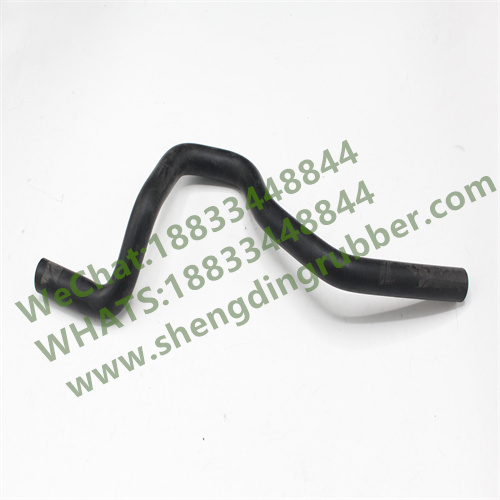
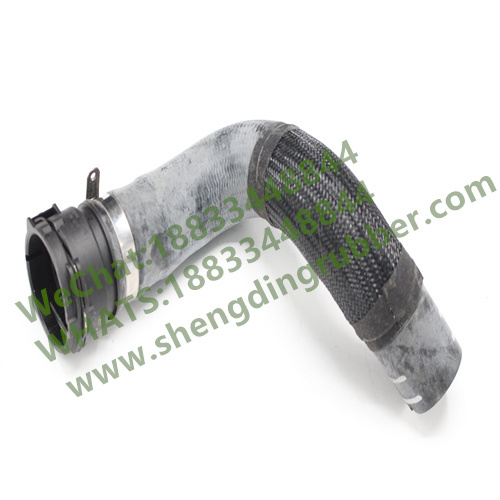
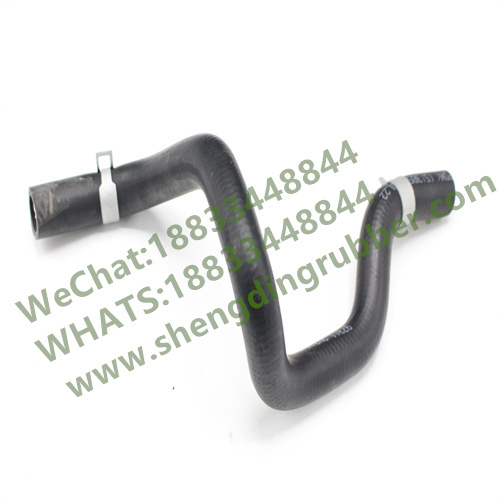
Rubber hoses play an essential role in the automotive industry, particularly in the realm of horizontal components. They are designed to convey fluids and gases, ensuring the smooth operation of various systems within vehicles. Understanding the characteristics and applications of rubber hoses is crucial for automotive professionals, especially when considering the component identified by the keyw
The primary function of rubber hoses in automobiles is to transport fluids such as coolant, oil, and fuel. They are designed to withstand high temperatures and pressures while maintaining flexibility and resistance to wear and tear. The selection of high-quality rubber materials is vital, as it directly impacts the durability and longevity of the hoses.
When manufacturing rubber hoses, several factors must be considered. The hose's inner diameter, wall thickness, and overall length must be tailored to meet the specific requirements of the vehicle's systems. Additionally, the type of rubber used—whether it’s synthetic rubber, natural rubber, or a blend—can significantly affect the performance of the hose. For instance, synthetic rubber often offers enhanced resistance to heat and chemicals, making it a preferred choice for many automotive applications.
Furthermore, the design of rubber hoses is also critical. Hoses need to be routed in a way that minimizes kinks and bends, which can adversely affect fluid flow. Proper installation techniques can reduce the risk of abrasion and damage, extending the lifespan of the hoses. Professionals must ensure that the hose fittings are compatible with the vehicle's specifications to prevent leaks and ensure optimal performance.
Regular maintenance and inspection of rubber hoses are indispensable practices in the automotive industry. Over time, exposure to heat, oil, and environmental factors can cause rubber hoses to degrade. Signs of wear, such as cracking, swelling, or leaks, should prompt immediate replacement to avoid potential failures that could lead to costly repairs or safety hazards.
In conclusion, the importance of rubber hoses in automotive applications cannot be overstated. From their material properties to their design and maintenance requirements, these components are fundamental to the efficient operation of vehicles. Professionals in the automotive industry should prioritize understanding the various aspects of rubber hoses, including those related to the component identified by the keyword "13325358," to ensure optimal vehicle performance and safety.
Key words:
What Else Might You Learn?




Tel: +86-319-5539998
Phone/WhatsAPP: +86-18833448844
E-Mail:hbshengding@163.com
E-Mail:yanxinhao@hbshengdingautoparts.com
E-Mail:arya@hbshengdingautoparts.com
E-Mail:gogm_trade2@hbshengdingautoparts.com
Address: Qinghe County Economic Development Zone, Xingtai City, Hebei Province