Enterprises Mainly Engaged In Automotive Hoses Products

Understanding Automobile Hoses: Essential Components for Vehicle Performance
Release Time:
Mar 05,2026
Automobile hoses are integral components within the various systems of a vehicle, playing a crucial role in ensuring smooth and efficient operation. These hoses are primarily made of durable materials designed to withstand high temperatures and pressures, which are common in automotive environments. One of the primary functions of automobile hoses is to transport fluids. This includes coolant hose
One of the primary functions of automobile hoses is to transport fluids. This includes coolant hoses that circulate coolant to maintain engine temperature, fuel hoses that deliver gasoline or diesel to the engine, and brake hoses that carry brake fluid to ensure safe stopping. Each of these hoses is designed to handle specific pressures and temperatures, making it essential for vehicle owners to understand their importance.
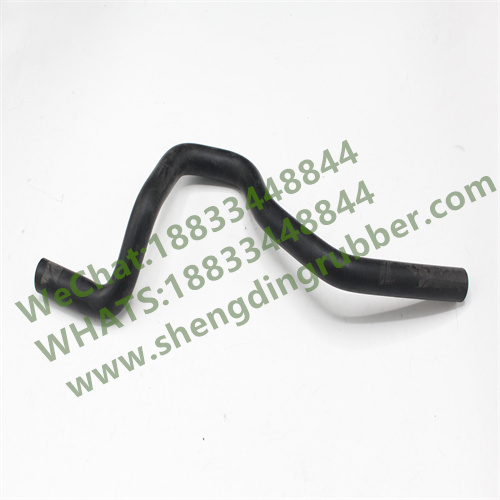
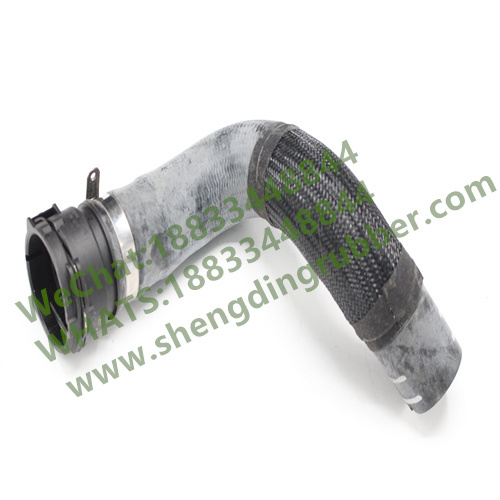
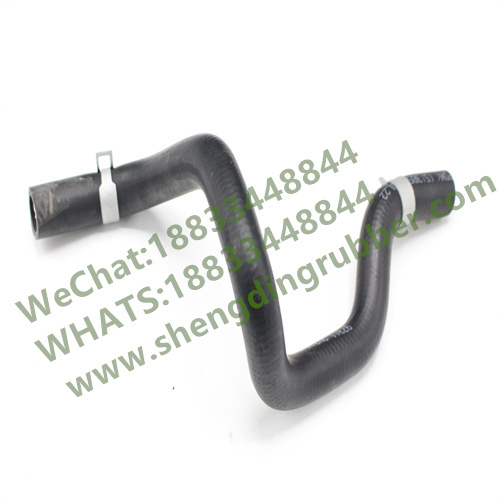
There are several types of automobile hoses, including radiator hoses, heater hoses, fuel lines, and vacuum hoses. Radiator hoses are typically made from reinforced rubber or silicone and connect the engine to the radiator, allowing coolant to flow and regulate engine temperature. Heater hoses, on the other hand, serve to channel hot coolant from the engine to the vehicle's heating system, ensuring passenger comfort during colder months.
Fuel hoses are crucial for delivering fuel from the tank to the engine. These hoses must be resistant to fuel and pressure fluctuations, as any leaks can lead to serious safety hazards. Vacuum hoses are often smaller and transport air to various engine components, such as the brake booster, helping to enhance overall performance.
Maintaining automobile hoses is vital for vehicle longevity and safety. Regular inspections for signs of wear, such as cracks, bulges, or leaks, can prevent more significant issues down the line. It is essential to replace any damaged hoses promptly, as failure to do so can lead to engine overheating, fuel leaks, or loss of braking power, resulting in potentially dangerous situations.
In addition to regular inspections, using high-quality hoses that meet or exceed OEM (Original Equipment Manufacturer) standards can also enhance the reliability of these components. Understanding the specific needs of your vehicle and the functions of different hoses can empower vehicle owners to make informed decisions regarding maintenance and replacements.
In summary, automobile hoses are essential for ensuring that various systems within a vehicle function correctly. By recognizing the different types and purposes of these hoses, as well as the importance of regular maintenance, vehicle owners can significantly contribute to the overall performance and safety of their automobiles.
Key words:
What Else Might You Learn?




Tel: +86-319-5539998
Phone/WhatsAPP: +86-18833448844
E-Mail:hbshengding@163.com
E-Mail:yanxinhao@hbshengdingautoparts.com
E-Mail:arya@hbshengdingautoparts.com
E-Mail:gogm_trade2@hbshengdingautoparts.com
Address: Qinghe County Economic Development Zone, Xingtai City, Hebei Province