Enterprises Mainly Engaged In Automotive Hoses Products

Why Quality Matters: Choosing the Right Rubber Hoses for Your Vehicle
Release Time:
Feb 18,2026
Why Quality Matters: Choosing the Right Rubber Hoses for Your Vehicle Table of Contents Introduction to Rubber Hoses The Importance of Quality in Rubber Hoses Types of Rubber Hoses for Vehicles Coolant Hoses Fuel Hoses Brake Hoses Vacuum Hoses Materials Used in Rubber Hose Manufacturing Key Factors to Consider W
Why Quality Matters: Choosing the Right Rubber Hoses for Your Vehicle
Table of Contents
- Introduction to Rubber Hoses
- The Importance of Quality in Rubber Hoses
- Types of Rubber Hoses for Vehicles
- Materials Used in Rubber Hose Manufacturing
- Key Factors to Consider When Choosing Rubber Hoses
- Consequences of Using Poor-Quality Hoses
- Maintenance Tips for Rubber Hoses
- Conclusion
- FAQs
Introduction to Rubber Hoses
In the intricate design of any vehicle, rubber hoses play an indispensable role in ensuring smooth functionality. These hoses facilitate the flow of various fluids, including coolant, fuel, and brake fluid, making their quality paramount. **Choosing the right rubber hose** for your vehicle not only enhances performance but also guarantees safety and efficiency.
The Importance of Quality in Rubber Hoses
When it comes to automotive components, quality should never be compromised. High-quality rubber hoses are engineered to withstand the rigors of automotive environments, including extreme temperatures and varying pressures. Investing in these hoses significantly reduces the risk of failure, which can lead to costly repairs and safety hazards.
Performance and Efficiency
Quality rubber hoses directly impact the **overall performance and efficiency** of your vehicle. They ensure that fluids flow seamlessly throughout the engine, leading to better fuel combustion, effective cooling, and optimal brake performance.
Safety Considerations
Using inferior rubber hoses poses serious safety risks. A burst or leak can lead to loss of power steering or braking capabilities, endangering the driver and passengers. Therefore, prioritizing quality in hose selection is crucial for maintaining high safety standards.
Types of Rubber Hoses for Vehicles
Understanding the different types of rubber hoses available is essential for making informed decisions. Each type serves a specific purpose within the vehicle’s system.
Coolant Hoses
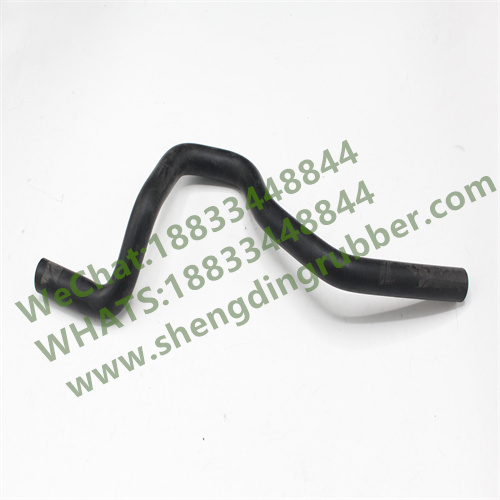
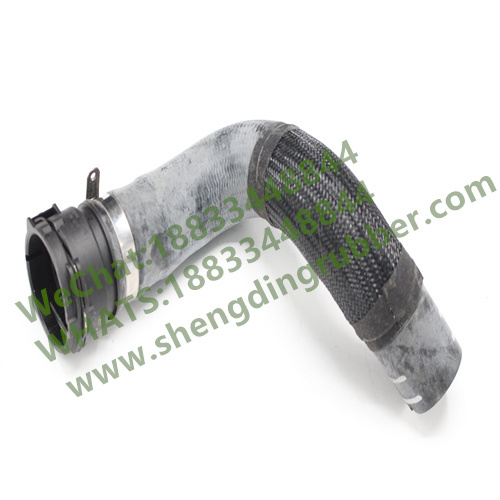
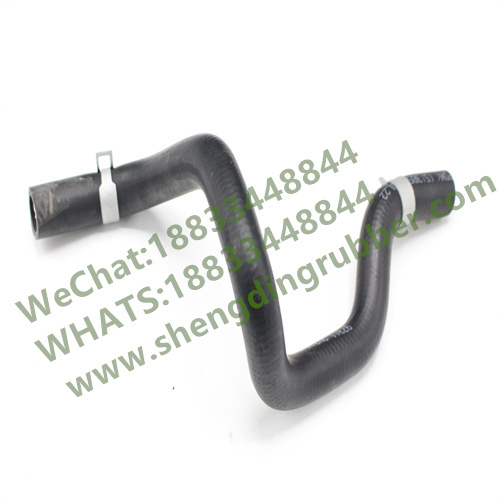
Coolant hoses transport antifreeze to and from the engine and radiator, aiding in temperature regulation. **High-quality coolant hoses** maintain flexibility and strength, preventing leaks and overheating.
Fuel Hoses
Fuel hoses are vital for transporting gasoline or diesel from the tank to the engine. They are designed to handle various fuel types while maintaining integrity under pressure.
Brake Hoses
Brake hoses are essential for the braking system. Quality brake hoses ensure that brake fluid can transmit pressure effectively, ensuring a responsive braking system.
Vacuum Hoses
Vacuum hoses assist in various functions, including the operation of the brake booster and emissions control system. Choosing the right vacuum hose is crucial for maintaining optimal engine performance.
Materials Used in Rubber Hose Manufacturing
The durability and efficiency of rubber hoses depend significantly on the materials used in their manufacturing. Common materials include:
EPDM Rubber
Ethylene Propylene Diene Monomer (EPDM) is widely used for automotive hoses due to its excellent weather resistance, high temperature tolerance, and resistance to aging and ozone damage.
Nitrile Rubber
Nitrile rubber is known for its resistance to fuel and oil, making it a preferred choice for fuel hoses. Its durability ensures long-lasting performance in harsh conditions.
Silicone Rubber
Silicone hoses are flexible and can withstand extreme temperatures. They are often used in high-performance applications due to their superior thermal stability.
Key Factors to Consider When Choosing Rubber Hoses
Selecting the right rubber hose requires careful consideration of various factors to ensure compatibility and performance.
Temperature Resistance
Different hoses are designed to operate within specific temperature ranges. Consider the **operating temperature** of your vehicle’s systems to ensure you choose hoses that can handle these conditions.
Pressure Rating
Each hose has a designated pressure rating, indicating the maximum pressure it can withstand. Selecting hoses with appropriate pressure ratings is crucial to prevent failure during operation.
Durability and Longevity
Investing in high-quality rubber hoses means they will last longer, reducing the frequency of replacements. Look for hoses with warranties or guarantees to ensure they meet durability standards.
Compatibility with Vehicle Systems
Ensure that the hoses you select are compatible with your vehicle’s systems. This includes checking the size, fittings, and material compatibility to avoid issues down the line.
Consequences of Using Poor-Quality Hoses
Opting for inferior rubber hoses can lead to a multitude of problems. These may include:
Fluid Leaks
Low-quality hoses are prone to leaks, leading to fluid loss that can cause overheating or mechanical failure.
Reduced Performance
Subpar hoses may restrict fluid flow, affecting the overall performance of the vehicle and leading to increased wear on engine components.
Increased Repair Costs
Frequent failures of poor-quality hoses can lead to costly repairs. Investing in high-quality hoses upfront can save money in the long run.
Maintenance Tips for Rubber Hoses
Proper care and maintenance of rubber hoses can extend their lifespan significantly. Here are some essential tips:
Regular Inspections
Check hoses regularly for signs of wear, cracks, or leaks. Early detection can prevent further damage.
Clean Hoses
Keep hoses clean and free from debris. Accumulated dirt can lead to corrosion and degradation over time.
Monitor Fluid Levels
Ensure that fluid levels in the vehicle are maintained. Low fluid levels can lead to overheating and increased pressure on hoses.
Replace When Necessary
If you notice any signs of wear or damage, replace hoses immediately to maintain vehicle safety and performance.
Conclusion
In summary, the quality of rubber hoses is a vital consideration for vehicle owners. **Choosing high-quality hoses** not only enhances vehicle performance but also ensures safety and longevity. By understanding the different types, materials, and factors to consider, you can make informed decisions that keep your vehicle operating smoothly and efficiently. Prioritizing quality when it comes to rubber hoses translates to a safer and more reliable driving experience for you and your passengers.
FAQs
1. How often should I replace rubber hoses in my vehicle?
It’s advisable to inspect rubber hoses every six months and replace them every four to five years, or sooner if signs of wear appear.
2. What are the signs of a failing rubber hose?
Signs include cracks, swelling, leaks, or a noticeable drop in performance. Immediate replacement is recommended if any of these symptoms occur.
3. Can I use any rubber hose for my vehicle?
No, it's essential to choose hoses specifically designed for your vehicle's systems and compatible with the fluids they will transport.
4. Are silicone hoses better than rubber hoses?
Silicone hoses offer superior temperature resistance and flexibility, making them ideal for high-performance applications, but they may not be necessary for standard vehicles.
5. How can I ensure the hoses I buy are of good quality?
Purchase from reputable manufacturers and retailers, look for certifications, and check reviews to gauge quality.
Key words:
What Else Might You Learn?




Tel: +86-319-5539998
Phone/WhatsAPP: +86-18833448844
E-Mail:hbshengding@163.com
E-Mail:yanxinhao@hbshengdingautoparts.com
E-Mail:arya@hbshengdingautoparts.com
E-Mail:gogm_trade2@hbshengdingautoparts.com
Address: Qinghe County Economic Development Zone, Xingtai City, Hebei Province