Enterprises Mainly Engaged In Automotive Hoses Products

Understanding the Importance of Automobile Hoses in Your Vehicle's Performance
Release Time:
Nov 08,2025
Understanding the Importance of Automobile Hoses in Your Vehicle's Performance Table of Contents What Are Automobile Hoses? Types of Automobile Hoses Functions of Automobile Hoses in Vehicles How Hoses Impact Vehicle Performance Signs of Worn or Damaged Hoses Maintenance of Automobile Hoses Common Hose Repair Issues Conclusion FAQs What Are Automobile Ho
Understanding the Importance of Automobile Hoses in Your Vehicle's Performance
Table of Contents
- What Are Automobile Hoses?
- Types of Automobile Hoses
- Functions of Automobile Hoses in Vehicles
- How Hoses Impact Vehicle Performance
- Signs of Worn or Damaged Hoses
- Maintenance of Automobile Hoses
- Common Hose Repair Issues
- Conclusion
- FAQs
What Are Automobile Hoses?
Automobile hoses are flexible tubes made from rubber or other durable materials, designed to transport fluids throughout various systems in a vehicle. These essential components are integral to both the **cooling system** and the **fuel system**, playing a pivotal role in ensuring that your vehicle operates smoothly and efficiently.
Without properly functioning hoses, your vehicle can suffer from overheating, fuel leaks, and a host of other performance issues. Understanding the different types of hoses and their respective functions is vital for any vehicle owner looking to maintain their automobile in optimal condition.
Types of Automobile Hoses
There are several types of automobile hoses, each tailored to perform specific functions in various vehicle systems. Here are the most common types:
1. Radiator Hoses
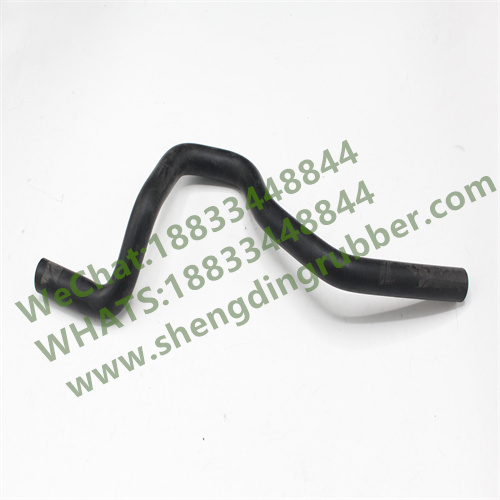
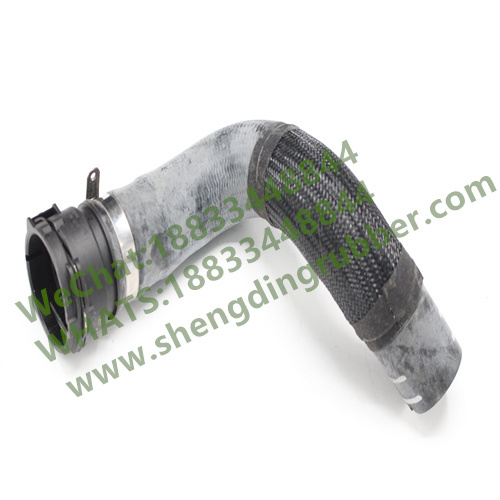
Radiator hoses are responsible for carrying coolant between the engine and the radiator. They help regulate the engine's temperature, preventing overheating. There are typically two radiator hoses in most vehicles: the upper hose and the lower hose.
2. Heater Hoses
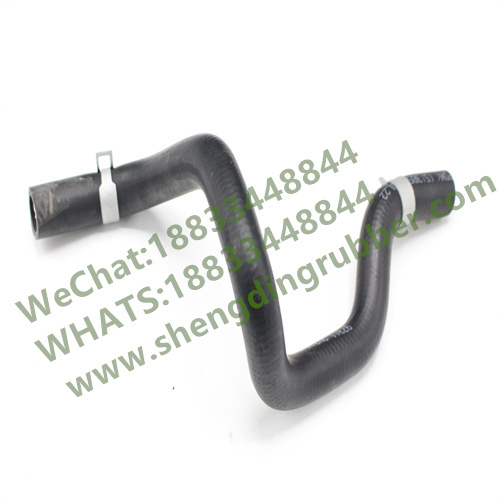
These hoses are part of the vehicle's heating system. They transport hot coolant from the engine to the heater core, where it releases heat into the cabin of the car.
3. Fuel Hoses
Fuel hoses are crucial for transporting gasoline or diesel from the fuel tank to the engine. They must withstand high pressure and are often made from materials that resist fuel degradation.
4. Vacuum Hoses
Vacuum hoses are used in various systems, including the brake booster and emissions system. They transport air and help maintain necessary pressure levels for optimal performance.
5. Power Steering Hoses
These hoses carry hydraulic fluid from the power steering pump to the steering gear, making it easier to turn the steering wheel, especially at lower speeds.
6. Air Conditioning Hoses
These hoses carry refrigerant between the various components of an automotive air conditioning system. They help maintain the internal climate of your vehicle, ensuring a comfortable ride.
Functions of Automobile Hoses in Vehicles
Automobile hoses perform several critical functions in your vehicle. Their primary roles include:
1. Fluid Transport
Hoses are designed to transport fluids efficiently, whether it's coolant, gasoline, or hydraulic fluid. This transportation is vital for the operation of the engine and other systems.
2. Pressure Regulation
Many hoses work under high pressure. They help maintain the necessary pressure levels for various systems to function correctly, including the power steering and fuel systems.
3. Temperature Control
Hoses like radiator and heater hoses play a significant role in regulating the temperature within the engine and the cabin, preventing overheating and ensuring comfort.
4. Emissions Control
Vacuum hoses help control engine emissions by managing air pressure within the intake system, contributing to lower emissions and better fuel efficiency.
How Hoses Impact Vehicle Performance
The performance of your vehicle is directly linked to the functionality of its hoses. Here’s how:
1. Engine Efficiency
Well-functioning hoses maintain the optimal flow of fluids, ensuring that the engine operates efficiently. This efficiency leads to better fuel economy and reduced emissions.
2. Prevention of Overheating
Hoses that transport coolant prevent engine overheating. A failure in these hoses can lead to engine damage and costly repairs.
3. Smooth Operation of Systems
The performance of systems such as power steering and air conditioning is dependent on the integrity of their respective hoses. Deteriorated hoses can lead to system failures, affecting overall vehicle performance.
4. Enhanced Safety
Functional hoses contribute to safe driving conditions. For instance, a malfunctioning brake system due to damaged vacuum hoses can lead to brake failures, posing serious safety risks.
Signs of Worn or Damaged Hoses
Recognizing the signs of worn or damaged hoses can help prevent significant vehicle problems. Here are some indicators to watch for:
1. Leaks
Fluid leaks around hoses, especially coolant or fuel, indicate potential damage. Any visible puddles beneath your vehicle should be investigated immediately.
2. Cracks and Bulges
Inspect hoses for visible cracks, bulges, or soft spots. These signs of wear can lead to hose failure and should be addressed quickly.
3. Overheating
If your engine frequently overheats, it might be due to coolant not circulating properly through damaged radiator hoses.
4. Unusual Noises
Hissing or bubbling sounds may indicate a leak in the hoses, especially in the cooling system. Pay attention to any strange noises from under the hood.
Maintenance of Automobile Hoses
Regular maintenance of automobile hoses is essential for ensuring optimal performance. Here are some maintenance tips:
1. Routine Inspections
Regularly inspect hoses for signs of wear or damage. Replace any hoses that show signs of deterioration as part of routine maintenance.
2. Flush the Cooling System
Flushing the cooling system periodically can help prevent deposits from building up and causing blockages in the hoses.
3. Check for Leaks
After any maintenance work, check hoses for leaks to ensure that they are properly connected and functioning.
4. Choose Quality Hoses
When replacing hoses, choose high-quality components that meet or exceed OEM specifications.
Common Hose Repair Issues
Hose repair issues can arise from various factors. Here are some common problems and their solutions:
1. Hose Clamps
Loose or corroded hose clamps can cause leaks. Ensure that hose clamps are tightened and in good condition to maintain a proper seal.
2. Improper Installation
If hoses are installed incorrectly, they can rub against other components, causing premature wear. Always follow manufacturer guidelines for installation.
3. Age and Wear
Over time, hoses can degrade due to environmental factors such as heat, oil, and ozone exposure. Regular replacement of old hoses is necessary to avoid failures.
Conclusion
Automobile hoses are fundamental components that significantly influence your vehicle's performance and longevity. Understanding their various types, functions, and the signs of wear can empower you as a vehicle owner to take proactive measures in maintenance. By prioritizing routine inspections and timely replacements, you can ensure that your vehicle operates smoothly, efficiently, and safely.
FAQs
1. How often should I replace my automobile hoses?
It's generally recommended to inspect hoses at least once a year and replace them every 4-6 years, depending on the manufacturer’s recommendations and the material of the hoses.
2. What are the signs that my radiator hose needs replacing?
Signs include visible cracks, bulges, leaks, or if your engine frequently overheats. If you notice any of these issues, it's time for a replacement.
3. Can I repair a damaged hose, or should I replace it?
While minor leaks can sometimes be temporarily fixed with hose tape, it’s always best to replace damaged hoses to ensure the long-term performance and safety of your vehicle.
4. What materials are automobile hoses made from?
Most automobile hoses are made from rubber, silicone, or a combination of synthetic materials designed to withstand high temperatures and pressures.
5. Does the age of the hose matter if there are no visible signs of wear?
Yes, even if there are no visible signs of wear, hoses can degrade over time due to environmental factors. It’s wise to adhere to manufacturer recommendations for replacement schedules regardless of visible condition.
Key words:
What Else Might You Learn?




Tel: +86-319-5539998
Phone/WhatsAPP: +86-18833448844
E-Mail:hbshengding@163.com
E-Mail:yanxinhao@hbshengdingautoparts.com
E-Mail:arya@hbshengdingautoparts.com
E-Mail:gogm_trade2@hbshengdingautoparts.com
Address: Qinghe County Economic Development Zone, Xingtai City, Hebei Province