Enterprises Mainly Engaged In Automotive Hoses Products

Exploring the Different Types of Radiator Hoses Suitable for Dodge, Jeep, or Chrysler Models
Release Time:
Feb 18,2025
Exploring the Different Types of Radiator Hoses Suitable for Dodge, Jeep, or Chrysler Models Table of Contents Introduction to Radiator Hoses for Dodge, Jeep, and Chrysler Why Radiator Hoses Are Crucial for Vehicle Performance Types of Radiator Hoses 1. Upper Radiator Hoses 2. Lower Radiator Hoses 3. Bypass Hoses 4. Heater Hoses
Exploring the Different Types of Radiator Hoses Suitable for Dodge, Jeep, or Chrysler Models
Table of Contents
- Introduction to Radiator Hoses for Dodge, Jeep, and Chrysler
- Why Radiator Hoses Are Crucial for Vehicle Performance
- Types of Radiator Hoses
- Materials Used in Radiator Hoses
- Installing Radiator Hoses: A Step-by-Step Guide
- Maintenance Tips for Radiator Hoses
- When to Replace Radiator Hoses
- Conclusion
- Frequently Asked Questions
Introduction to Radiator Hoses for Dodge, Jeep, and Chrysler
In the realm of automotive maintenance, radiator hoses emerge as crucial components that play significant roles in the cooling system of Dodge, Jeep, and Chrysler vehicles. These hoses facilitate the flow of coolant between the engine and the radiator, ensuring that the vehicle remains within an optimal operating temperature.
Understanding the types of radiator hoses, their materials, and how to maintain them can help vehicle owners enhance performance and extend the lifespan of their cooling system. This article serves as a comprehensive guide, exploring the different kinds of radiator hoses suitable for these popular automotive brands.
Why Radiator Hoses Are Crucial for Vehicle Performance
Radiator hoses are indispensable for the effective circulation of coolant, which absorbs heat from the engine and dissipates it through the radiator. If these hoses fail, it can lead to severe overheating, which may cause catastrophic engine damage.
Regularly inspecting radiator hoses for wear and tear can prevent significant and costly repairs. A small crack or leak can escalate into a sizable problem, underscoring the importance of understanding radiator hose functionality and maintenance.
Types of Radiator Hoses
Dodge, Jeep, and Chrysler vehicles typically have a few different types of radiator hoses, each serving a specific purpose within the cooling system. Below, we dive into these essential components.
1. Upper Radiator Hoses
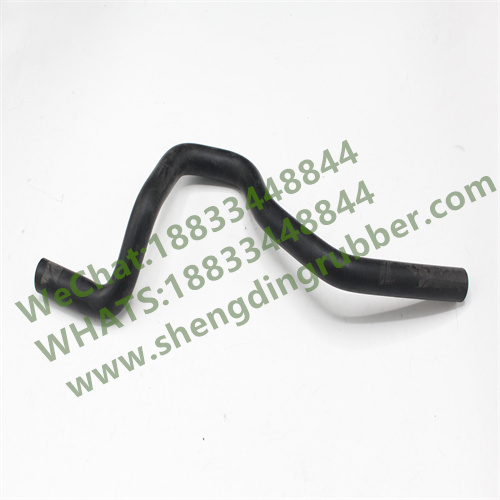
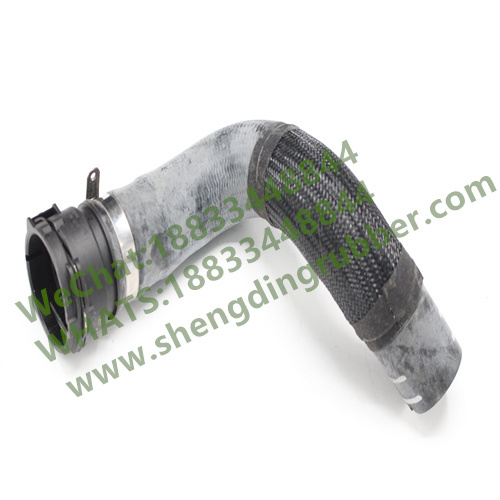
The **upper radiator hose** connects the engine's thermostat housing to the upper part of the radiator. This hose is responsible for carrying hot coolant from the engine to the radiator for cooling. Typically made from durable rubber or silicone, these hoses withstand high temperatures and pressures.
Common issues with upper radiator hoses include cracking and bulging, which can lead to leaks. Regular inspection of this hose is crucial, especially after long drives or during seasonal temperature changes.
2. Lower Radiator Hoses
The **lower radiator hose** serves the opposite function. It transports cooler coolant from the radiator back to the engine. Like the upper hose, it experiences significant temperature fluctuations and pressure changes, making it susceptible to similar wear and tear.
Signs of a failing lower radiator hose may include leaks or swelling. Given that this hose is often less visible than the upper hose, it’s vital to include it in routine maintenance checks.
3. Bypass Hoses
**Bypass hoses** are smaller hoses that connect the engine's intake manifold to the water pump, allowing coolant to flow even when the engine is cold. While they may not be as commonly discussed, they play an essential role in maintaining engine temperature.
Though less prone to failure than the primary hoses, bypass hoses can still develop leaks or cracks over time. Regular monitoring is advisable to ensure that the engine receives consistent coolant flow.
4. Heater Hoses
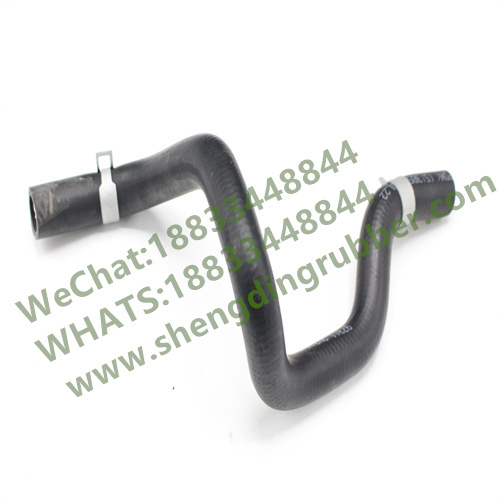
**Heater hoses** route coolant to the heater core, providing heat for the vehicle’s interior. These hoses are critical for passenger comfort, especially in colder climates.
Like other hoses, heater hoses can wear out and may leak, leading to reduced heating efficiency or coolant loss. Regular checks can help prevent unexpected heating issues.
Materials Used in Radiator Hoses
The durability and performance of radiator hoses depend significantly on the materials from which they are made. The two most common materials used for radiator hoses in Dodge, Jeep, and Chrysler models are EPDM rubber and silicone.
1. EPDM Rubber
**Ethylene Propylene Diene Monomer (EPDM)** rubber is the standard material for radiator hoses due to its excellent resistance to heat, ozone, and aging. This material remains flexible and maintains its shape over time, making it ideal for everyday use in various climate conditions.
EPDM hoses are generally less expensive than silicone, making them a popular choice for many vehicle owners. However, they may not last as long as silicone in extreme conditions.
2. Silicone
**Silicone hoses** are known for their superior heat resistance and longevity compared to rubber. These hoses can withstand higher temperatures, making them suitable for high-performance vehicles or extreme driving conditions.
While silicone is typically more expensive, many enthusiasts opt for these hoses for their durability and reliability. Installing silicone hoses can yield long-term savings on replacements and repairs.
Installing Radiator Hoses: A Step-by-Step Guide
Proper installation of radiator hoses is vital for ensuring that they function correctly and safely. Below is a comprehensive guide for installing these hoses in Dodge, Jeep, or Chrysler vehicles.
Step 1: Gather Tools and Materials
Before beginning, ensure you have the following:
- New radiator hoses
- Hose clamps
- Screwdriver or socket set
- Pliers
- Coolant
- A catch basin for old coolant
Step 2: Drain the Coolant
Start by draining the coolant from the radiator. Locate the drain plug at the bottom of the radiator and allow the coolant to flow into the catch basin. Be careful not to spill any, as coolant can be harmful to pets and the environment.
Step 3: Remove Old Hoses
Use pliers to loosen the hose clamps that secure the old hoses. Gently pull the hoses off their connections, being careful not to damage any surrounding components. If the hoses are stuck, a twisting motion may help to loosen them.
Step 4: Install New Hoses
Position the new hoses onto the appropriate connections. Make sure they are oriented correctly and fit securely. Reattach the hose clamps, ensuring they are tightened adequately to prevent leaks.
Step 5: Refill Coolant
With the new hoses installed, refill the coolant through the radiator cap. Check the owner’s manual for the correct coolant type and mixture ratio.
Step 6: Test for Leaks
Start your vehicle and let it idle until it reaches operating temperature. Check for any leaks around the newly installed hoses. If everything looks good, take the vehicle for a short drive and monitor the temperature gauge.
Maintenance Tips for Radiator Hoses
To ensure the longevity and effectiveness of your radiator hoses, consider the following maintenance tips:
- **Inspect Regularly:** Check hoses for signs of wear, such as cracks, bulges, or leaks, at least once every few months.
- **Replace During Scheduled Maintenance:** Incorporate hose replacement into your regular vehicle maintenance schedule, especially if you notice any issues.
- **Monitor Coolant Levels:** Keep an eye on coolant levels and top off as needed to avoid overheating.
- **Use Quality Coolant:** Always use the recommended coolant to prevent corrosion and buildup that can damage hoses over time.
When to Replace Radiator Hoses
Recognizing the right time to replace radiator hoses can save you from unexpected breakdowns and expensive repairs. Here are a few indicators that it's time for a replacement:
- **Visible Cracks or Bulging:** Any signs of physical damage warrant immediate replacement.
- **Leaking Coolant:** If you notice coolant pooling underneath your vehicle, check the hoses for leaks.
- **Overheating Engine:** Frequent overheating can signal a problem with your hoses, especially if they are old or damaged.
- **Age of the Hoses:** Even if they look fine, hoses should be replaced every 4 to 6 years as a preventative measure.
Conclusion
Understanding the various types of radiator hoses suitable for Dodge, Jeep, and Chrysler models is essential for maintaining the performance and longevity of your vehicle. By recognizing the different types, materials, and maintenance practices, vehicle owners can ensure their cooling systems operate efficiently. Regular inspections and timely replacements can prevent costly repairs, keeping your vehicle running smoothly for years to come.
Frequently Asked Questions
1. How often should I check my radiator hoses?
It is advisable to inspect your radiator hoses at least every three months, particularly before long trips or seasonal changes.
2. Can I replace radiator hoses myself?
Yes, replacing radiator hoses can be done as a DIY task with some basic tools and mechanical knowledge. Follow a step-by-step guide for best practices.
3. What are the signs of a failing radiator hose?
Common signs include visible cracks, bulging, leaks, and an overheating engine.
4. How much do radiator hoses typically cost?
The cost of radiator hoses can vary based on the make and model of the vehicle but generally ranges from $20 to $100 per hose, not including labor.
5. Is it worth upgrading to silicone radiator hoses?
If you drive in extreme conditions or have a high-performance vehicle, investing in silicone hoses can provide added durability and performance benefits.
Key words:
What Else Might You Learn?




Tel: +86-319-5539998
Phone/WhatsAPP: +86-18833448844
E-Mail:hbshengding@163.com
E-Mail:yanxinhao@hbshengdingautoparts.com
E-Mail:arya@hbshengdingautoparts.com
E-Mail:gogm_trade2@hbshengdingautoparts.com
Address: Qinghe County Economic Development Zone, Xingtai City, Hebei Province