Enterprises Mainly Engaged In Automotive Hoses Products

Maximize Fuel Efficiency with Chevrolet GMC Hose Replacement: A Comprehensive Guide
Release Time:
Jan 29,2025
Maximize Fuel Efficiency with Chevrolet GMC Hose Replacement Understanding the Importance of Hoses in Your Chevrolet GMC When it comes to maintaining your Chevrolet or GMC vehicle, the significance of **hoses** often goes overlooked. However, these components play a crucial role in the overall **performance** and **fuel efficiency** of your engine. From the coolant hoses that regulate temperature
Maximize Fuel Efficiency with Chevrolet GMC Hose Replacement
Understanding the Importance of Hoses in Your Chevrolet GMC
When it comes to maintaining your Chevrolet or GMC vehicle, the significance of **hoses** often goes overlooked. However, these components play a crucial role in the overall **performance** and **fuel efficiency** of your engine. From the coolant hoses that regulate temperature to the fuel lines that deliver gasoline, these hoses are essential in ensuring your vehicle operates at its best. In this article, we will delve deep into how hose replacement can maximize fuel efficiency and keep your vehicle running smoothly.
Types of Hoses in Chevrolet GMC Vehicles
1. Fuel Hoses
Fuel hoses are responsible for transporting gasoline from the fuel tank to the engine. Over time, these hoses can degrade due to heat, pressure, and exposure to fuel, leading to leaks that severely impact fuel efficiency. Replacing worn or damaged fuel hoses is critical to maintaining optimal fuel delivery.
2. Coolant Hoses
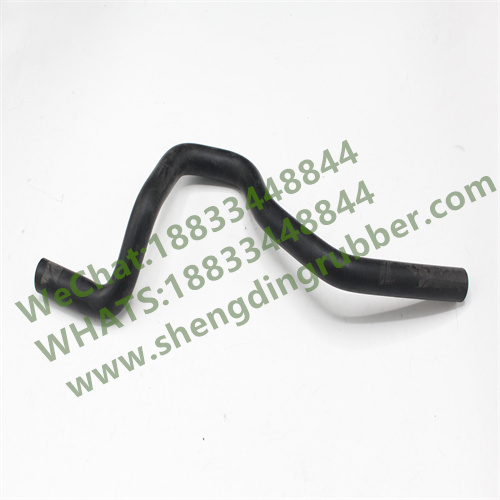
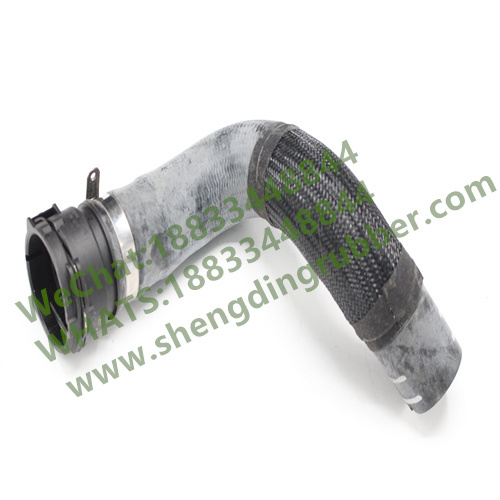
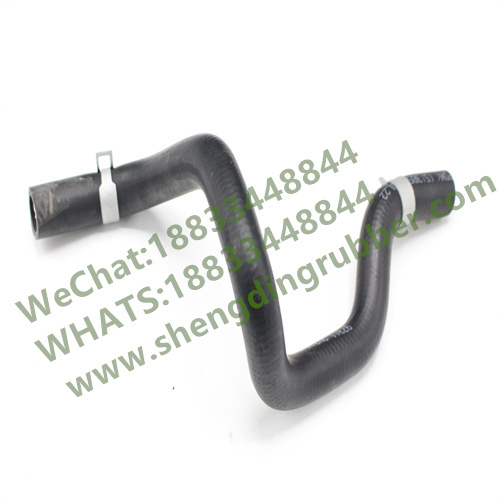
Coolant hoses carry antifreeze to and from the engine, helping to regulate its temperature. If these hoses become cracked or leaky, it can cause the engine to overheat, which not only affects performance but can also lead to costly repairs. Ensuring these hoses are in good condition is vital for engine efficiency.
3. Vacuum Hoses
Vacuum hoses are often critical in controlling various engine functions, including fuel-air mixture and emissions control. A damaged vacuum hose can lead to poor engine performance and increased fuel consumption. Regular inspection and replacement are key to maintaining your vehicle’s efficiency.
Signs That Your Chevrolet GMC Hoses Need Replacement
1. Visible Cracks or Wear
Inspecting your hoses regularly for cracks or signs of wear is essential. If you notice any visible damage, it’s time for a replacement. **Cracked hoses** can lead to leaks, affecting overall performance and fuel efficiency.
2. Engine Overheating
If your engine tends to overheat, it could indicate that the coolant hoses are compromised. Replacing these hoses promptly can prevent further damage and improve fuel efficiency.
3. Decreased Fuel Economy
Noticing a drop in fuel economy? It might be time to check your fuel hoses for leaks or blockages. Replacing old or damaged hoses can restore optimal fuel delivery, enhancing your vehicle's efficiency.
The Role of Quality in Hose Replacement
1. Choosing the Right Hoses
When replacing hoses, it's essential to choose high-quality, OEM (Original Equipment Manufacturer) parts. These hoses are designed specifically for your vehicle and ensure the best fit and durability. Using subpar hoses can lead to premature failures and decreased fuel efficiency.
2. Professional Installation vs. DIY
While some car enthusiasts may prefer a DIY approach, we recommend seeking professional installation for hose replacements. Experienced technicians ensure that hoses are installed correctly, reducing the likelihood of future issues and maximizing the benefits of the replacement.
Step-by-Step Guide to Hose Replacement in Chevrolet GMC Vehicles
1. Gather Necessary Tools and Materials
Before starting the replacement process, gather all necessary tools, including:
- Wrenches
- Screwdrivers
- Hose clamps
- Replacement hoses
- Coolant
2. Prepare the Vehicle
Park your vehicle on a level surface and turn off the engine. Allow it to cool down completely before proceeding. Disconnect the negative battery terminal for safety.
3. Remove the Old Hoses
Carefully loosen the clamps holding the old hoses in place. Gently pull the hoses off, taking care to avoid damaging surrounding components. If you encounter resistance, use a screwdriver to help pry them off.
4. Install the New Hoses
Position the new hoses according to the manufacturer’s specifications. Secure them in place with hose clamps, ensuring a snug fit to prevent leaks.
5. Refill Coolant and Check for Leaks
After installing the new hoses, refill the coolant system to the appropriate level. Start the engine and check for leaks around the newly installed hoses. If all appears well, reconnect the negative battery terminal.
Impact of Hose Replacement on Fuel Efficiency
Replacing old or damaged hoses can significantly enhance your Chevrolet or GMC vehicle's fuel efficiency. By ensuring optimal fuel delivery and engine cooling, you can experience improved performance and save money at the pump. The benefits extend beyond just fuel savings; a well-maintained vehicle also ensures a smoother driving experience and extends the lifespan of your engine.
Maintenance Tips for Your Chevrolet GMC Hoses
1. Regular Inspections
Schedule regular inspections of your hoses as part of your routine vehicle maintenance. Look for signs of wear, such as cracks, bulges, or leaks, and replace them promptly to prevent costly repairs.
2. Use Quality Products
Invest in high-quality replacement hoses and clamps. While they may be more expensive upfront, they will save you money in the long run by reducing the need for frequent replacements.
3. Monitor Engine Temperature
Keep an eye on your engine temperature gauge. If you notice fluctuations, it could indicate a problem with your hoses. Address any issues immediately to maintain fuel efficiency.
FAQs about Chevrolet GMC Hose Replacement
1. How often should I replace my vehicle's hoses?
It’s advisable to inspect hoses every 30,000 miles or as part of your regular maintenance schedule. Replace them if you notice any signs of wear or damage.
2. Can I replace the hoses myself?
Yes, if you have the right tools and experience. However, it's recommended to have a professional handle the replacement for optimal results.
3. What are the signs of a damaged fuel hose?
Signs include fuel odors, visible cracks, leaks, or decreased engine performance. Address these issues promptly to prevent further complications.
4. How can hose issues affect my vehicle’s performance?
Damaged hoses can lead to fuel leaks, overheating, and poor engine performance, all of which can negatively impact fuel efficiency.
5. Where can I find quality replacement hoses for my Chevrolet GMC?
Check with your local dealership, auto parts stores, or reputable online retailers that specialize in OEM parts for the best selection.
Conclusion
Maximizing fuel efficiency through **Chevrolet GMC hose replacement** is not just about improving your vehicle's performance; it's about ensuring longevity and reliability. By understanding the types of hoses, recognizing the signs of wear, and following a structured replacement process, you can significantly enhance your vehicle's efficiency. Remember that investing in quality hoses and regular maintenance is key to enjoying a smooth and economical driving experience. Your vehicle deserves the best, and so do you.
Key words:
What Else Might You Learn?




Tel: +86-319-5539998
Phone/WhatsAPP: +86-18833448844
E-Mail:hbshengding@163.com
E-Mail:yanxinhao@hbshengdingautoparts.com
E-Mail:arya@hbshengdingautoparts.com
E-Mail:gogm_trade2@hbshengdingautoparts.com
Address: Qinghe County Economic Development Zone, Xingtai City, Hebei Province