Enterprises Mainly Engaged In Automotive Hoses Products

Understanding Dodge Jeep Chrysler Radiator Hoses: Maintenance and Replacement Tips
Release Time:
Jan 24,2025
When it comes to the cooling systems in Dodge, Jeep, and Chrysler vehicles, the radiator hoses play a crucial role in ensuring that the engine operates efficiently. These hoses are responsible for transporting coolant to and from the engine, helping to maintain the ideal operating temperature. Understanding the importance of radiator hoses can prevent costly repairs and extend the life of your veh
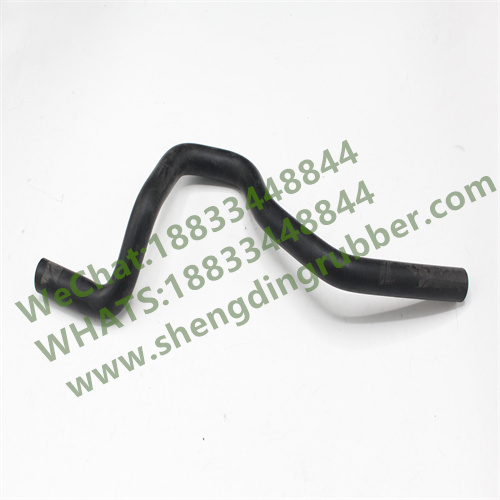
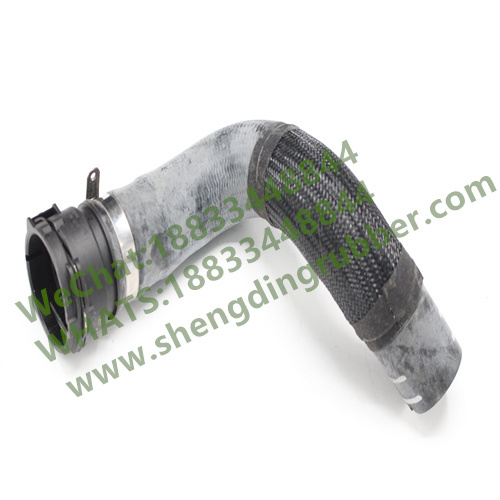
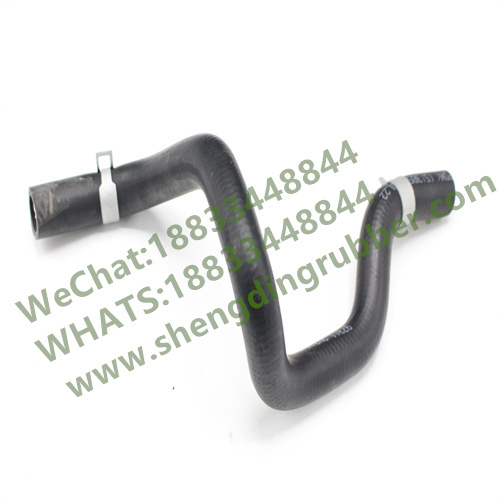
Radiator hoses are typically made of reinforced rubber, designed to withstand high temperatures and pressure. Over time, however, they can degrade due to exposure to heat, chemicals, and environmental factors. Common signs of a failing radiator hose include cracks, bulges, or leaks. If you notice any of these symptoms, it's crucial to address the issue promptly to avoid overheating the engine, which can lead to significant damage.
Regular maintenance of the radiator hoses is essential. It's advisable to inspect them periodically, especially during routine vehicle check-ups. Look for any visible signs of wear and tear, and ensure that the clamps holding the hoses in place are secure. A loose clamp can lead to leaks, which can compromise the entire cooling system.
In case you need to replace the radiator hoses on your Dodge, Jeep, or Chrysler vehicle, it’s important to choose high-quality components that match the specifications of your vehicle. While it may be tempting to go for the cheapest option, investing in quality hoses can save you money in the long run by reducing the risk of failure and ensuring better performance.
Installation of new radiator hoses can be done as a DIY project if you have the right tools and experience. Make sure to drain the cooling system before removing the old hoses to prevent spills. After replacing the hoses, it’s vital to refill the cooling system with the correct coolant and bleed it to remove any air pockets. This ensures that the cooling system operates efficiently and effectively.
In summary, radiator hoses are a key component of the cooling system in Dodge, Jeep, and Chrysler vehicles. Regular inspection and maintenance can help prevent issues and prolong the life of your vehicle. If you notice any signs of wear, consider replacing the hoses with high-quality alternatives to ensure optimal performance. Remember, a well-maintained cooling system is essential for the longevity and reliability of your vehicle.
Key words:
What Else Might You Learn?




Tel: +86-319-5539998
Phone/WhatsAPP: +86-18833448844
E-Mail:hbshengding@163.com
E-Mail:yanxinhao@hbshengdingautoparts.com
E-Mail:arya@hbshengdingautoparts.com
E-Mail:gogm_trade2@hbshengdingautoparts.com
Address: Qinghe County Economic Development Zone, Xingtai City, Hebei Province