Enterprises Mainly Engaged In Automotive Hoses Products

Hyundai KIA Radiator Hose Breakdown: Understanding Cooling System Essentials
Release Time:
Jan 19,2025
Hyundai KIA Radiator Hose Breakdown: Understanding Cooling System Essentials Table of Contents 1. Introduction to Radiator Hoses 2. Overview of the Cooling System 3. Importance of Radiator Hoses in Vehicle Operation 4. Hyundai KIA Specific Radiator Hoses 5. Common Issues with Radiator Hoses 6. Signs of Radiator Hose Failure 7. Radiator Hose Replacement Guide 8. Preventive Maintena
Hyundai KIA Radiator Hose Breakdown: Understanding Cooling System Essentials
Table of Contents
- 1. Introduction to Radiator Hoses
- 2. Overview of the Cooling System
- 3. Importance of Radiator Hoses in Vehicle Operation
- 4. Hyundai KIA Specific Radiator Hoses
- 5. Common Issues with Radiator Hoses
- 6. Signs of Radiator Hose Failure
- 7. Radiator Hose Replacement Guide
- 8. Preventive Maintenance Tips
- 9. Conclusion
- 10. Frequently Asked Questions
1. Introduction to Radiator Hoses
Radiator hoses are crucial components in the cooling system of Hyundai and KIA vehicles. They facilitate the circulation of coolant between the engine and the radiator, ensuring that your vehicle's temperature remains regulated. Understanding the function and upkeep of these hoses can significantly impact your car's performance and longevity.
2. Overview of the Cooling System
The cooling system comprises several integral components, including the radiator, water pump, thermostat, and hoses. The main purpose of this system is to prevent the engine from overheating. Coolant absorbs heat from the engine and dissipates it through the radiator, which cools it down before circulating it back to the engine.
The Main Components of the Cooling System
- **Radiator:** Cools the heated coolant.
- **Water Pump:** Circulates coolant through the system.
- **Thermostat:** Regulates coolant temperature.
- **Hoses:** Transport coolant to and from the engine and radiator.
3. Importance of Radiator Hoses in Vehicle Operation
Radiator hoses play a pivotal role in maintaining optimal engine temperature. They are designed to withstand high pressure and temperatures, ensuring that the coolant can flow freely. A malfunctioning hose can disrupt this flow, leading to potential engine damage.
Types of Radiator Hoses
- **Upper Radiator Hose:** Connects the radiator to the engine.
- **Lower Radiator Hose:** Connects the radiator to the water pump.
4. Hyundai KIA Specific Radiator Hoses
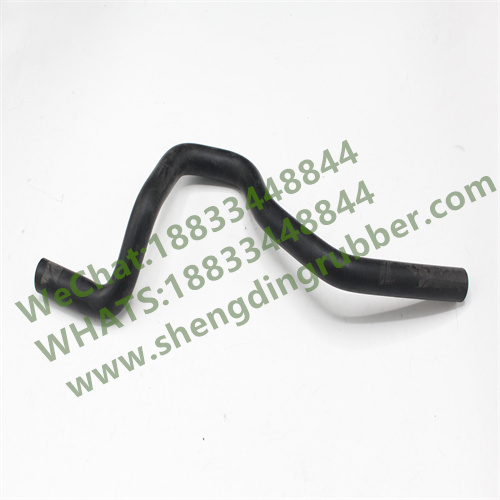
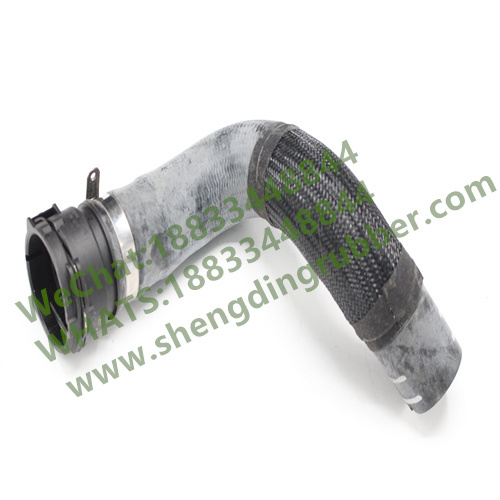
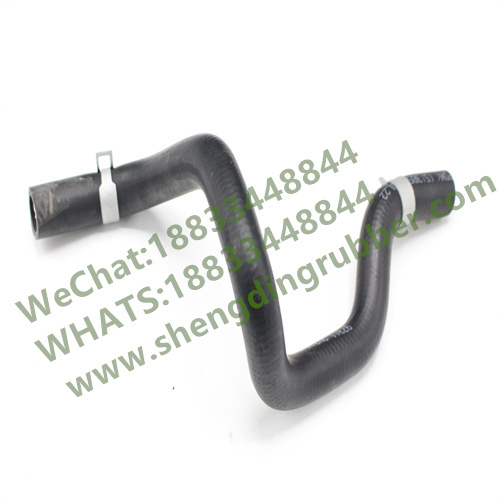
Hyundai and KIA vehicles often have unique specifications for their radiator hoses. These hoses are engineered to fit perfectly within the cooling system, providing optimal performance. Utilizing OEM (Original Equipment Manufacturer) parts for replacements ensures compatibility and reliability.
Material and Design
Hyundai and KIA radiator hoses are typically made from high-quality rubber or silicone. These materials are resistant to heat and pressure, contributing to the longevity of the hoses. Understanding the design and material specifications for your vehicle model can help you make informed decisions during repairs or replacements.
5. Common Issues with Radiator Hoses
Over time, radiator hoses can wear and develop issues that may compromise their functionality. Identifying these problems early can prevent severe engine damage.
Common Issues Include:
- **Cracking and Drying:** Exposure to heat can cause hoses to crack.
- **Bulging:** Pressure buildup can lead to hose bulging.
- **Leaking:** Hoses may develop leaks due to wear or damage.
6. Signs of Radiator Hose Failure
Being aware of the warning signs of radiator hose failure can save you from costly repairs and engine damage. Here are some signs to watch out for:
Key Indicators of Hose Failure
- **Overheating Engine:** If your engine temperature gauge frequently rises, it may indicate a hose issue.
- **Coolant Leaks:** Puddles of coolant under your vehicle may suggest a compromised hose.
- **High-Pitched Squeals:** This noise can indicate a loose or damaged hose.
7. Radiator Hose Replacement Guide
Replacing a radiator hose is a straightforward process, but it requires attention to detail. Here’s a step-by-step guide to ensure you do it correctly.
Tools You Will Need:
- Pliers
- Socket wrench set
- New radiator hose
- Coolant
Step-by-Step Replacement Process
1. **Safety First:** Allow the engine to cool before starting any work.
2. **Drain the Coolant:** Use a pan to catch the coolant from the radiator.
3. **Remove the Old Hose:** Loosen the clamps and pull off the old hose.
4. **Install the New Hose:** Slide the new hose into place and secure it with clamps.
5. **Refill Coolant:** Refill the radiator with fresh coolant.
6. **Test for Leaks:** Start the engine and check for any leaks around the new hose.
8. Preventive Maintenance Tips
To ensure the longevity of your radiator hoses, regular maintenance is crucial. Here are some tips to keep them in optimal condition:
Essential Preventive Measures
- **Regular Inspections:** Check hoses for signs of wear and tear during routine maintenance.
- **Coolant Flushes:** Regularly flush and replace the coolant to prevent buildup and corrosion.
- **Monitor Engine Temperature:** Keep an eye on the temperature gauge for any unusual fluctuations.
9. Conclusion
Understanding the radiator hose's role in your Hyundai or KIA vehicle is essential for maintaining engine health. Regular inspections, timely replacements, and preventive measures can significantly enhance your vehicle's cooling system performance. By staying proactive, you ensure a smoother driving experience and avoid costly repairs down the line.
10. Frequently Asked Questions
1. How often should I replace my radiator hoses?
It's advisable to inspect your radiator hoses every 30,000 miles and replace them every 5 to 7 years, or as needed based on condition.
2. What are the signs that my radiator hose is leaking?
Signs include visible coolant puddles under your vehicle, a sweet smell near the engine, and overheating issues.
3. Can I drive with a damaged radiator hose?
It's best not to drive with a damaged hose, as it can lead to overheating and significant engine damage.
4. Are silicone radiator hoses better than rubber ones?
Silicone hoses are more durable and can withstand higher temperatures than rubber hoses, making them a preferable choice in many cases.
5. How can I prevent my radiator hoses from failing?
Regular inspections, maintaining proper coolant levels, and ensuring that clamps are secure are effective ways to prolong the life of your radiator hoses.
Key words:
What Else Might You Learn?




Tel: +86-319-5539998
Phone/WhatsAPP: +86-18833448844
E-Mail:hbshengding@163.com
E-Mail:yanxinhao@hbshengdingautoparts.com
E-Mail:arya@hbshengdingautoparts.com
E-Mail:gogm_trade2@hbshengdingautoparts.com
Address: Qinghe County Economic Development Zone, Xingtai City, Hebei Province