Enterprises Mainly Engaged In Automotive Hoses Products

Elevate Your Drive: Innovative Ways to Maintain Your Land Rover Jaguar Hose
Release Time:
Jan 09,2025
Elevate Your Drive: Innovative Ways to Maintain Your Land Rover Jaguar Hose Table of Contents 1. Introduction to Maintaining Your Land Rover Jaguar Hose 2. Understanding the Hose System in Your Land Rover Jaguar 3. Importance of Regular Hose Maintenance 4. Innovative Maintenance Techniques for Optimal Performance 5. Common Signs of Wear and Tear 6. Performing a Comprehensive Hose Insp
Elevate Your Drive: Innovative Ways to Maintain Your Land Rover Jaguar Hose
Table of Contents
- 1. Introduction to Maintaining Your Land Rover Jaguar Hose
- 2. Understanding the Hose System in Your Land Rover Jaguar
- 3. Importance of Regular Hose Maintenance
- 4. Innovative Maintenance Techniques for Optimal Performance
- 5. Common Signs of Wear and Tear
- 6. Performing a Comprehensive Hose Inspection
- 7. Professional vs. DIY Maintenance: What You Should Know
- 8. FAQs About Maintaining Your Land Rover Jaguar Hose
- 9. Conclusion
1. Introduction to Maintaining Your Land Rover Jaguar Hose
Maintaining your Land Rover Jaguar hose is essential for ensuring your vehicle operates at its best. This seemingly simple component plays a significant role in the overall functionality of your car. A well-maintained hose can prevent major issues down the road, potentially saving you time and money. In this guide, we will explore innovative approaches to maintaining your hose, ensuring your driving experience remains unparalleled.
2. Understanding the Hose System in Your Land Rover Jaguar
The hose system in your Land Rover Jaguar is a network of tubes responsible for transporting fluids throughout the vehicle. This includes coolant, transmission fluid, and power steering fluid. Each hose is designed to withstand high pressures and temperatures, but they can degrade over time. Understanding how this system works is crucial to recognizing the importance of its upkeep.
The Main Types of Hoses
Your Land Rover Jaguar features various types of hoses, including:
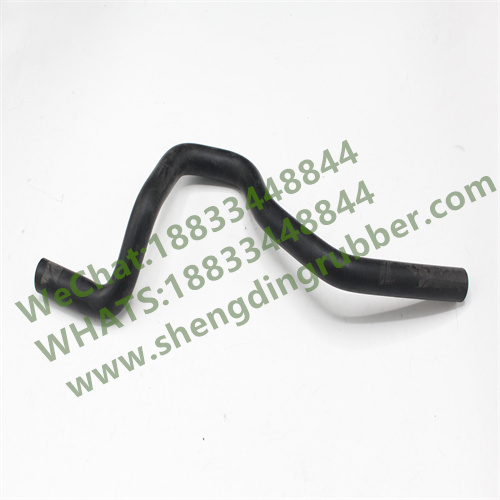
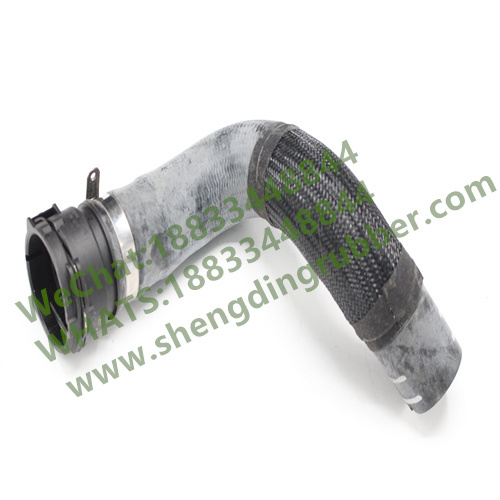
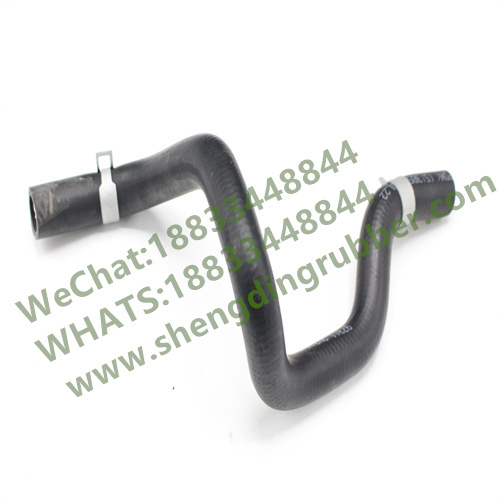
- **Coolant Hoses**: These transport coolant to and from the engine and radiator, maintaining optimal operating temperatures.
- **Fuel Hoses**: Responsible for transporting fuel from the tank to the engine.
- **Brake Hoses**: Critical for the braking system, these hoses transfer brake fluid, enabling safe stopping.
Material Composition
Hoses are typically made from rubber or silicone, each offering distinct advantages. **Rubber hoses** provide flexibility and resistance to extreme temperatures, while **silicone hoses** are more durable and can handle higher thermal extremes. Understanding the materials can guide you in making informed decisions about replacements or maintenance.
3. Importance of Regular Hose Maintenance
Regular maintenance of your Land Rover Jaguar hose is vital for several reasons:
- **Prevention of Leaks**: Regular checks can identify cracks or wear early, preventing fluid leaks that can lead to severe engine damage.
- **Enhanced Performance**: A well-maintained hose ensures optimal fluid flow, contributing to improved engine performance and efficiency.
- **Cost Savings**: Preventative maintenance can help avoid costly repairs and enhance the lifespan of your vehicle.
4. Innovative Maintenance Techniques for Optimal Performance
To effectively maintain your Land Rover Jaguar hose, consider these innovative techniques.
1. Regular Visual Inspections
Perform routine visual inspections of the hoses. Look for signs of wear such as cracks, bulges, and discolored areas. This simple step can save you from more significant issues later.
2. Utilize Hose Protection Products
Consider using hose protection sleeves or wraps. These products can shield hoses from excessive heat and abrasion, extending their lifespan significantly.
3. Implement Advanced Cleaning Methods
Using specialized cleaning products can help remove debris and deposits from hoses. Consider products designed specifically for automotive hoses to avoid damage.
4. Monitor Fluid Levels and Quality
Regularly check the fluid levels in your vehicle. Low or contaminated fluids can put added pressure on hoses, leading to premature wear.
5. Perform Temperature Stress Tests
Understanding how your hoses react to temperature changes can help in maintaining them. Conduct temperature stress tests to ensure they can handle extreme conditions.
5. Common Signs of Wear and Tear
Recognizing the signs of hose wear is crucial for effective maintenance. Look out for:
- **Leaking Fluids**: If you notice fluid pooling under your vehicle, it may indicate a hose leak.
- **Unusual Engine Temperature**: Overheating can stem from compromised coolant hoses.
- **Cracking or Bulging**: Physical deformities in hoses signal immediate attention is required.
- **Strange Noises**: Unusual sounds during operation can indicate issues with fluid flow related to hoses.
6. Performing a Comprehensive Hose Inspection
Conducting a comprehensive hose inspection involves several steps:
Step 1: Gather Necessary Tools
Equip yourself with tools such as a flashlight, pliers, and a moisture meter. These tools will aid in identifying hose issues.
Step 2: Inspect the Hose Condition
Examine each hose for visible signs of wear, such as cracks, bulges, or leaks.
Step 3: Check Connections and Clamps
Inspect the connections and clamps for tightness and corrosion. Loose or corroded clamps can lead to leaks.
Step 4: Assess Fluid Levels
Ensure that appropriate fluid levels are maintained and check for discoloration or contamination.
7. Professional vs. DIY Maintenance: What You Should Know
Determining whether to handle hose maintenance yourself or seek professional help depends on several factors:
When to DIY
If you have mechanical knowledge and experience, performing routine checks and minor repairs can save you money.
When to Seek Professional Help
For complex issues or if you are uncertain about the condition of your hoses, consulting a professional is advised. They have the expertise and tools to diagnose and address problems accurately.
8. FAQs About Maintaining Your Land Rover Jaguar Hose
1. How often should I inspect my hoses?
Regular inspections every 3,000 miles or during routine service checks are recommended.
2. What are the signs that a hose needs to be replaced?
Signs include visible cracks, leaks, bulges, and reduced engine performance.
3. Can I use any cleaning products on my hoses?
No, use automotive-grade cleaning products designed specifically for hoses to avoid damage.
4. How can I prevent hose damage?
Implement protective wraps, maintain proper fluid levels, and keep hoses clear of debris.
5. What should I do if I find a leak?
Address leaks immediately. If minor, you may use hose tape as a temporary fix, but replacing the hose is advisable for a permanent solution.
9. Conclusion
Maintaining your Land Rover Jaguar hose is paramount for ensuring a smooth and efficient driving experience. By understanding the importance of regular maintenance, recognizing signs of wear, and implementing innovative techniques, you can significantly enhance the performance and longevity of your vehicle. Whether you choose to handle maintenance yourself or consult professionals, taking proactive steps will help you enjoy every drive without the worry of hose-related issues.
Key words:
What Else Might You Learn?




Tel: +86-319-5539998
Phone/WhatsAPP: +86-18833448844
E-Mail:hbshengding@163.com
E-Mail:yanxinhao@hbshengdingautoparts.com
E-Mail:arya@hbshengdingautoparts.com
E-Mail:gogm_trade2@hbshengdingautoparts.com
Address: Qinghe County Economic Development Zone, Xingtai City, Hebei Province