Enterprises Mainly Engaged In Automotive Hoses Products

Enhance Your Driving Experience with Chevrolet GMC Hose: A Comprehensive Guide
Release Time:
Dec 07,2024
Enhance Your Driving Experience with Chevrolet GMC Hose: A Comprehensive Guide Table of Contents Introduction to Chevrolet GMC Hoses Understanding Automotive Hoses Different Types of Chevrolet GMC Hoses Coolant Hoses Fuel Hoses Vacuum Hoses The Importance of Quality Hoses for Your Vehicle Maintenance Tips for Chevrolet
Enhance Your Driving Experience with Chevrolet GMC Hose: A Comprehensive Guide
Table of Contents
- Introduction to Chevrolet GMC Hoses
- Understanding Automotive Hoses
- Different Types of Chevrolet GMC Hoses
- The Importance of Quality Hoses for Your Vehicle
- Maintenance Tips for Chevrolet GMC Hoses
- When to Replace Your Hoses
- Choosing the Right Hose for Your Chevrolet GMC
- Conclusion
- Frequently Asked Questions
Introduction to Chevrolet GMC Hoses
When it comes to enhancing your driving experience in a Chevrolet or GMC vehicle, one often overlooked component is the **hose**. These essential parts are critical to the performance and safety of your vehicle. From ensuring the proper flow of vital fluids to supporting the engine's efficiency, the right hoses make a significant difference. In this article, we dive deep into the various types of Chevrolet GMC hoses, their importance, maintenance tips, and how to select the right ones for your vehicle.
Understanding Automotive Hoses
Automotive hoses are flexible tubes designed to transport fluids and gases throughout your vehicle's systems. They come in various materials and sizes, each tailored for specific applications. Without properly functioning hoses, your vehicle could face significant performance issues, including overheating, fuel leaks, and reduced efficiency. Understanding the role of hoses in your vehicle is crucial for maintaining optimal performance and ensuring safety on the road.
Different Types of Chevrolet GMC Hoses
Chevrolet and GMC vehicles utilize several types of hoses, each serving a unique function. Below, we delve into the primary types of hoses you’ll encounter.
Coolant Hoses
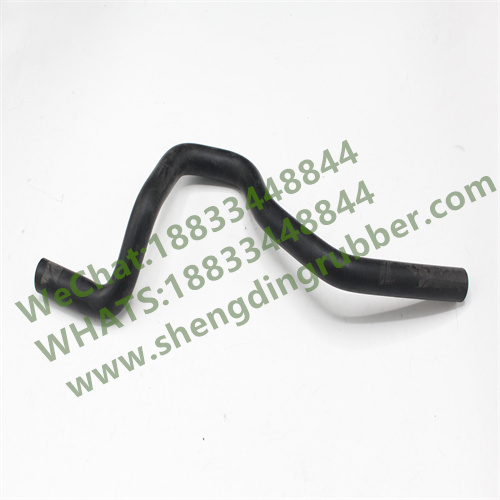
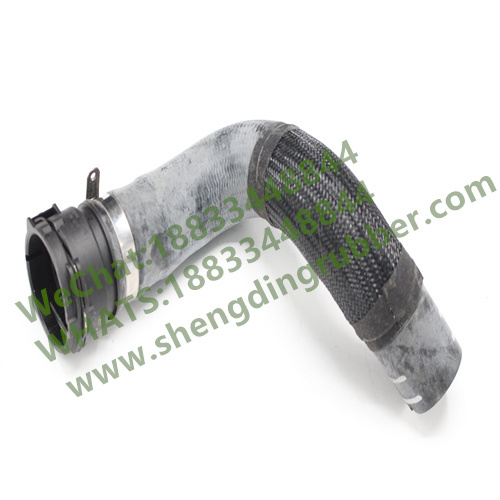
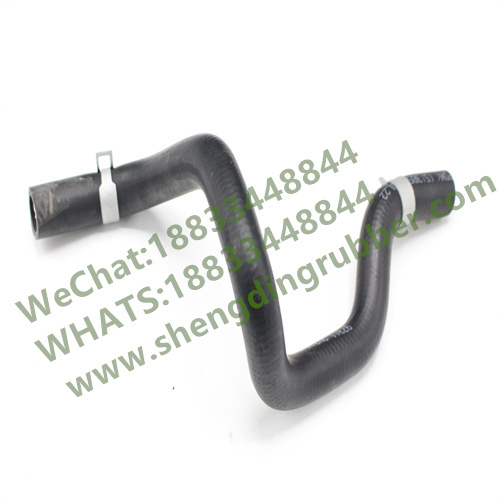
Coolant hoses are vital for regulating your engine's temperature. They transport coolant to and from the engine and the radiator, maintaining optimal operating temperature. Over time, these hoses can degrade due to heat and pressure, leading to leaks or failures.
Fuel Hoses
Fuel hoses transport gasoline or diesel from the tank to the engine. They must withstand high pressure and exposure to various chemicals. Using high-quality fuel hoses is essential to prevent leaks that could lead to engine performance issues or safety hazards.
Vacuum Hoses
Vacuum hoses play a crucial role in the operation of various engine components, including the power brakes and various emissions systems. These hoses help maintain the vacuum required for optimal engine performance. Regular inspection and replacement are necessary to avoid performance drops.
The Importance of Quality Hoses for Your Vehicle
Investing in quality hoses for your Chevrolet or GMC vehicle is essential for several reasons:
1. **Safety**: High-quality hoses reduce the risk of leaks, preventing potentially dangerous situations.
2. **Performance**: Quality hoses ensure that fluids flow efficiently, enhancing engine performance and fuel efficiency.
3. **Longevity**: Durable hoses resist wear and tear, extending their lifespan and reducing the need for frequent replacements.
Maintenance Tips for Chevrolet GMC Hoses
Taking proactive measures to maintain your hoses can prevent unexpected failures and costly repairs. Here are some essential maintenance tips:
- **Regular Inspections**: Check your hoses for signs of wear, cracks, or leaks. Inspect them periodically, especially before long trips.
- **Monitor Fluid Levels**: Ensure your coolant, fuel, and brake fluid levels are adequate. Low levels could indicate a leak in the hoses.
- **Replace Timely**: Always replace hoses that show signs of deterioration. Don’t wait until a hose fails to take action.
When to Replace Your Hoses
Knowing when to replace your hoses can save you from significant headaches down the road. Here are some indicators that it might be time for a replacement:
- **Visible Cracks or Deterioration**: Any visible damage is a strong indicator that it's time to replace the hose.
- **Leaking Fluids**: If you notice fluid pooling under your vehicle, a hose may be leaking.
- **Overheating Engine**: Consistently high engine temperatures can indicate a failing coolant hose.
Choosing the Right Hose for Your Chevrolet GMC
Selecting the right hose for your vehicle is crucial for optimal performance. Here’s what to consider:
1. **Compatibility**: Ensure the hose matches the specifications required for your Chevrolet or GMC model.
2. **Material Quality**: Choose hoses made from durable materials designed to withstand high temperatures and pressures.
3. **Brand Reputation**: Opt for hoses from reputable brands known for their quality and reliability.
Conclusion
Enhancing your driving experience with Chevrolet GMC hoses is essential for maintaining performance, safety, and longevity. Understanding the types of hoses, their functions, and maintenance requirements can empower you to make informed decisions about your vehicle. By investing in quality hoses and adhering to proper maintenance practices, you can ensure a smooth, safe, and enjoyable driving experience for years to come.
Frequently Asked Questions
1. How often should I replace my Chevrolet GMC hoses?
Typically, hoses should be inspected regularly and replaced every 4 to 5 years, or as needed if signs of damage appear.
2. What are the signs of a failing hose?
Signs of a failing hose include visible cracks, leaks, bulging, or your vehicle's overheating.
3. Can I replace hoses myself?
Yes, replacing hoses can be a DIY job if you have the right tools and knowledge. However, if you're unsure, it's advisable to consult a professional.
4. Why are quality hoses important?
Quality hoses ensure safety, optimal engine performance, and longevity, preventing issues like leaks and overheating.
5. What materials are automotive hoses made from?
Automotive hoses are typically made from rubber, silicone, or reinforced materials designed to withstand various temperatures and pressures.
This comprehensive guide provides insights into the critical role of Chevrolet GMC hoses in enhancing your driving experience. From understanding the different types to knowing when to replace them, being informed will help you keep your vehicle in top shape.
Key words:
What Else Might You Learn?




Tel: +86-319-5539998
Phone/WhatsAPP: +86-18833448844
E-Mail:hbshengding@163.com
E-Mail:yanxinhao@hbshengdingautoparts.com
E-Mail:arya@hbshengdingautoparts.com
E-Mail:gogm_trade2@hbshengdingautoparts.com
Address: Qinghe County Economic Development Zone, Xingtai City, Hebei Province