Enterprises Mainly Engaged In Automotive Hoses Products

Long-lasting Quality: Hyundai KIA Radiator Hose Care Guide
Release Time:
Nov 27,2024
Long-lasting Quality: Hyundai KIA Radiator Hose Care Guide Table of Contents 1. Introduction to Radiator Hoses and Their Importance 2. Understanding Hyundai and KIA Radiator Hoses 3. Common Issues with Radiator Hoses 4. Signs of Wear and Tear in Radiator Hoses 5. Maintenance Tips for Longevity 6. When to Replace Your Radiator Hoses 7. Choosing the Right Radiator Hoses for Hyundai an
Long-lasting Quality: Hyundai KIA Radiator Hose Care Guide
Table of Contents
- 1. Introduction to Radiator Hoses and Their Importance
- 2. Understanding Hyundai and KIA Radiator Hoses
- 3. Common Issues with Radiator Hoses
- 4. Signs of Wear and Tear in Radiator Hoses
- 5. Maintenance Tips for Longevity
- 6. When to Replace Your Radiator Hoses
- 7. Choosing the Right Radiator Hoses for Hyundai and KIA
- 8. Professional Installation vs. Do-It-Yourself Hose Replacement
- 9. Conclusion
- 10. Frequently Asked Questions
1. Introduction to Radiator Hoses and Their Importance
Radiator hoses are crucial components of a vehicle’s cooling system, serving as conduits that transport coolant between the engine and the radiator. For **Hyundai** and **KIA** owners, recognizing the importance and function of these hoses is fundamental to maintaining vehicle performance and longevity. A well-functioning radiator hose ensures optimal temperature regulation, preventing engine overheating and potential damage. This guide provides an in-depth look at the care and maintenance of your radiator hoses, specifically for Hyundai and KIA models.
2. Understanding Hyundai and KIA Radiator Hoses
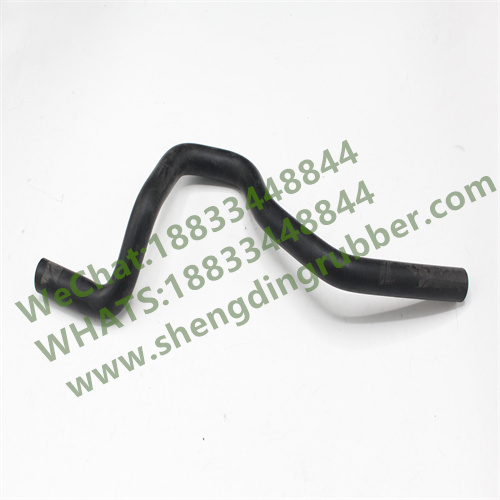
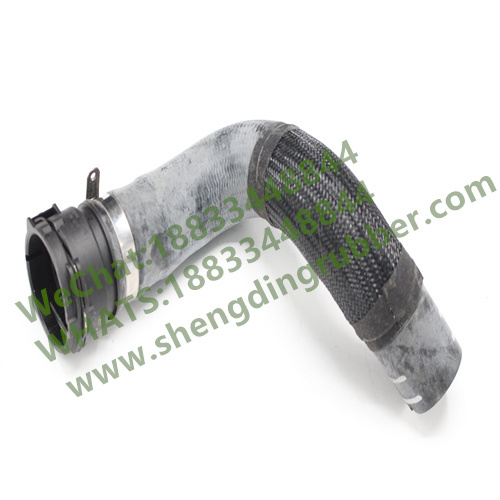
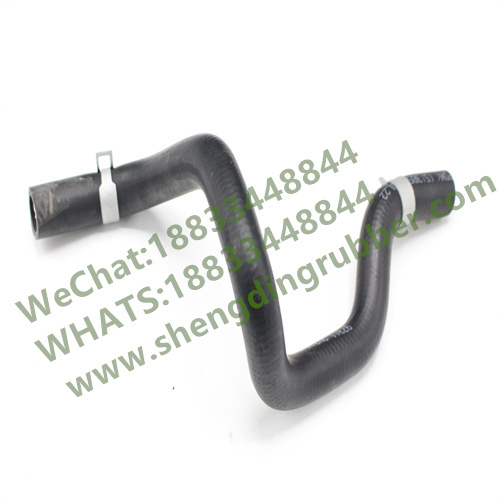
Hyundai and KIA vehicles typically include two primary types of radiator hoses: the upper hose and the lower hose. The **upper hose** connects the radiator to the engine, allowing hot coolant to flow from the engine to the radiator for cooling. Conversely, the **lower hose** transports the cooled coolant back into the engine. Both hoses are subject to wear and tear due to high-temperature exposure, pressure fluctuations, and external elements.
The Material Matters
Hyundai and KIA radiator hoses are usually made from rubber or silicone. Rubber hoses are more common and tend to be less expensive, but they may degrade more quickly than their silicone counterparts, especially under extreme temperatures. Silicone hoses, while more costly, offer greater durability and resistance to heat, making them a wise investment for those looking for long-term solutions.
3. Common Issues with Radiator Hoses
Radiator hoses are not immune to problems. Understanding common issues can help Hyundai and KIA owners proactively address potential failures.
Cracking and Hardening
Over time, exposure to high temperatures can cause radiator hoses to crack or harden, leading to leaks and reduced functionality. This can compromise the entire cooling system.
Leaks
Visible coolant leaks, especially at the hose connections, indicate a potential issue. Even small leaks can lead to significant problems if left unattended.
Bulging Hoses
A bulging hose can indicate internal pressure buildup, a sign that the hose may be compromised and could rupture under pressure.
4. Signs of Wear and Tear in Radiator Hoses
Identifying the signs of wear early can save Hyundai and KIA owners from costly repairs.
Visual Inspection
Regularly inspect hoses for visible signs of wear such as cracks, bulges, or leaks. A flashlight can help you see under the vehicle or into tight spaces.
Temperature Fluctuations
If you notice your engine temperature gauge fluctuating, it could indicate that the radiator hoses are not functioning correctly.
Unusual Engine Noises
Sounds like hissing or bubbling may suggest that coolant is leaking from a hose, affecting engine performance.
5. Maintenance Tips for Longevity
Regular maintenance is key to ensuring the longevity of your Hyundai or KIA radiator hoses.
Regular Inspections
Conduct visual inspections at least once a month or before long trips. Checking for signs of wear can help you catch issues early.
Coolant Flushes
Perform regular coolant flushes as recommended by your vehicle's manufacturer. Contaminated coolant can contribute to hose deterioration.
Temperature Monitoring
Keep an eye on the engine temperature gauge. Any unusual readings warrant immediate attention.
6. When to Replace Your Radiator Hoses
Knowing when to replace your radiator hoses is crucial for vehicle maintenance.
Age of the Hoses
Most radiator hoses should be replaced every four to six years, regardless of their condition. Materials can degrade over time, leading to unexpected failures.
After Repair Work
If you’ve had your engine or cooling system serviced, it’s a good idea to inspect and possibly replace the radiator hoses to ensure they can handle the new operating conditions.
7. Choosing the Right Radiator Hoses for Hyundai and KIA
When selecting replacement hoses, consider quality and compatibility.
OEM vs. Aftermarket
Original Equipment Manufacturer (OEM) hoses are designed specifically for your vehicle model and often come with warranties. Aftermarket options may be less expensive but ensure they meet or exceed OEM specifications.
Material Selection
As discussed earlier, choose between rubber and silicone based on your driving habits and climatic conditions. Silicone hoses are ideal for high-performance applications, while rubber hoses are suitable for standard conditions.
8. Professional Installation vs. Do-It-Yourself Hose Replacement
Deciding between professional installation and DIY replacement is a personal choice that depends on your mechanical skills and comfort level.
Professional Installation
Having a qualified mechanic replace your radiator hoses ensures the job is done correctly and efficiently. They can also check for other potential issues during the process.
Do-It-Yourself Replacement
If you’re mechanically inclined, replacing radiator hoses is a task you can handle. Make sure to have the right tools and follow proper procedures to avoid mistakes.
9. Conclusion
Taking proper care of your radiator hoses is vital for maintaining the performance and longevity of your Hyundai or KIA. Regular inspections, timely replacements, and choosing the right hoses are key components of a robust vehicle maintenance regimen. By adhering to the guidelines outlined in this guide, you’ll ensure your vehicle remains in optimal condition, preventing costly repairs down the line.
10. Frequently Asked Questions
Q1: How often should I replace my radiator hoses?
A1: It's recommended to replace your radiator hoses every four to six years or when signs of wear are evident.
Q2: What are the signs that my radiator hoses need to be replaced?
A2: Look for cracks, bulges, leaks, and any visible wear. Additionally, monitor your engine temperature gauge for fluctuations.
Q3: Can I use aftermarket radiator hoses?
A3: Yes, but ensure they meet or exceed OEM specifications for compatibility and quality.
Q4: How do I perform a coolant flush?
A4: Consult your vehicle’s manual for specific instructions, but generally, it involves draining the old coolant and replacing it with fresh coolant.
Q5: Can I replace radiator hoses myself?
A5: If you have mechanical skills and the right tools, you can replace them yourself, but consider professional help if you're unsure.
By following the guidance in this article, Hyundai and KIA owners can achieve long-lasting quality and performance from their radiator hoses, ensuring a smooth-driving experience for years to come.
Key words:
What Else Might You Learn?




Tel: +86-319-5539998
Phone/WhatsAPP: +86-18833448844
E-Mail:hbshengding@163.com
E-Mail:yanxinhao@hbshengdingautoparts.com
E-Mail:arya@hbshengdingautoparts.com
E-Mail:gogm_trade2@hbshengdingautoparts.com
Address: Qinghe County Economic Development Zone, Xingtai City, Hebei Province