Enterprises Mainly Engaged In Automotive Hoses Products

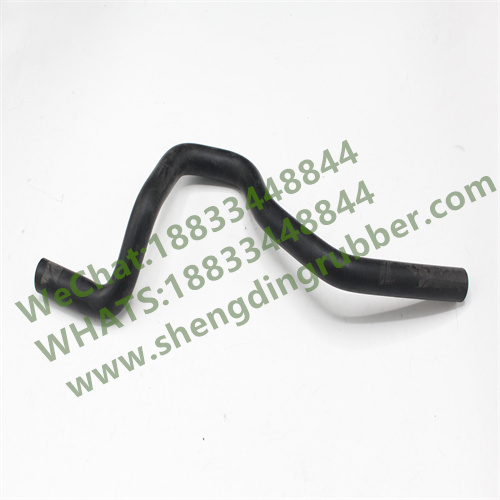
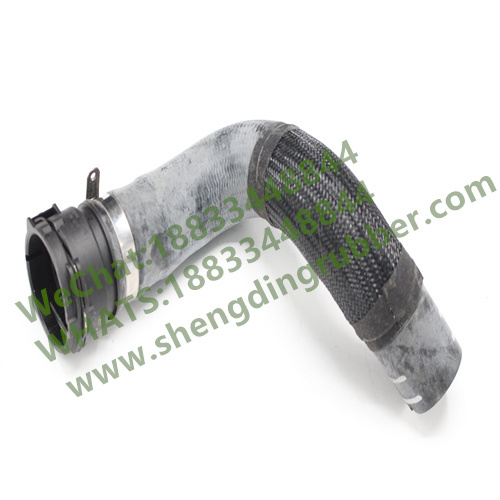
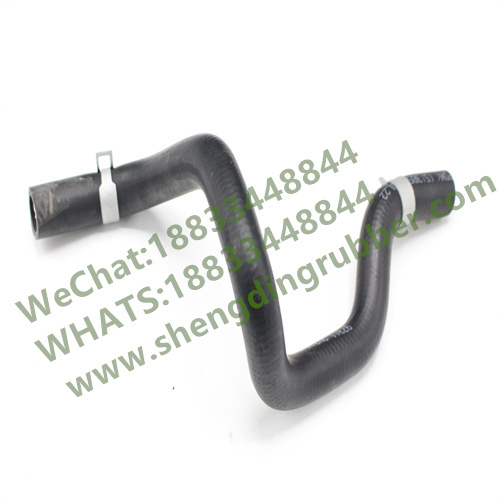
Essential Guide to Toyota Lexus Hoses: Maintenance and Best Practices
Release Time:
Nov 22,2024
When it comes to the performance and efficiency of your Toyota or Lexus vehicle, the condition of your hoses is paramount. Hoses play a crucial role in various systems, including the cooling, fuel, and ventilation systems. Understanding the importance of these components and knowing how to maintain them can significantly extend the lifespan of your vehicle and prevent costly repairs. Toyota and Le
Toyota and Lexus vehicles are known for their reliability and advanced engineering, but even the most well-built cars require regular upkeep. Hoses can degrade over time due to heat, pressure, and exposure to chemicals, leading to potential leaks or failures. It is essential to periodically inspect your hoses for signs of wear such as cracks, bulges, or soft spots. If you notice any of these symptoms, it is advisable to replace the hose promptly to avoid further damage to the engine or other components.
For Toyota Lexus hoses, proper installation and routing are equally important as their condition. When replacing a hose, ensure it is routed correctly to prevent kinking or rubbing against other components, which could lead to premature failure. Additionally, using high-quality hose clamps can help ensure secure connections and prevent leaks.
Routine maintenance should include checking the hose connections and securing them as necessary. Also, inspect the surrounding components for any signs of fluid leaks or damage that could affect the hose's performance. It's beneficial to consider the operating environment of your vehicle. For instance, if you frequently drive in extreme temperatures or harsh conditions, you may need to inspect your hoses more frequently.
In addition to mechanical checks, keep an eye on the performance of your vehicle. Any sudden changes in temperature, unusual noises, or warning lights on the dashboard could indicate a problem with your hoses or other related systems. Addressing these issues quickly can save you from more extensive repairs down the line.
Furthermore, when sourcing replacement hoses, it is advisable to consult with a knowledgeable professional or refer to your vehicle's manual for specifications. The right hose is not only vital for performance but also for the compatibility and safety of your vehicle’s systems.
Ultimately, maintaining your Toyota Lexus hoses is a straightforward yet essential aspect of vehicle care. By regularly inspecting and replacing them as needed, you can enhance your vehicle's performance, extend its lifespan, and ensure a safe driving experience. Whether you are a seasoned car enthusiast or a casual driver, understanding the role of hoses in your vehicle will empower you to make informed decisions regarding maintenance and repairs.
Key words:
What Else Might You Learn?




Tel: +86-319-5539998
Phone/WhatsAPP: +86-18833448844
E-Mail:hbshengding@163.com
E-Mail:yanxinhao@hbshengdingautoparts.com
E-Mail:arya@hbshengdingautoparts.com
E-Mail:gogm_trade2@hbshengdingautoparts.com
Address: Qinghe County Economic Development Zone, Xingtai City, Hebei Province