Enterprises Mainly Engaged In Automotive Hoses Products

The Road to Efficiency: Mastering Your Land Rover Jaguar Hose Setup for Optimal Performance
Release Time:
Nov 17,2024
The Road to Efficiency: Mastering Your Land Rover Jaguar Hose Setup for Optimal Performance Table of Contents 1. Understanding Automotive Hoses: Types and Functions 2. The Importance of Hose Efficiency in Land Rover and Jaguar Vehicles 3. Choosing the Right Hoses: Materials and Specifications 4. How to Properly Install Your Hoses for Maximum Efficiency 5. Common Hose Issues an
The Road to Efficiency: Mastering Your Land Rover Jaguar Hose Setup for Optimal Performance
Table of Contents
- 1. Understanding Automotive Hoses: Types and Functions
- 2. The Importance of Hose Efficiency in Land Rover and Jaguar Vehicles
- 3. Choosing the Right Hoses: Materials and Specifications
- 4. How to Properly Install Your Hoses for Maximum Efficiency
- 5. Common Hose Issues and How to Troubleshoot Them
- 6. Essential Maintenance Tips for Your Hose Setup
- 7. Upgrading Your Hose System: When and Why
- 8. Conclusion: Achieving Peak Performance with Your Hose Setup
- 9. FAQs: Your Questions About Hose Optimization Answered
1. Understanding Automotive Hoses: Types and Functions
Automotive hoses are essential components in any vehicle, ensuring the efficient transfer of fluids throughout the engine and other systems. Understanding the types and functions of these hoses is crucial for optimizing your vehicle's performance.
1.1 Types of Automotive Hoses
There are several types of hoses used in Land Rover and Jaguar vehicles, including:
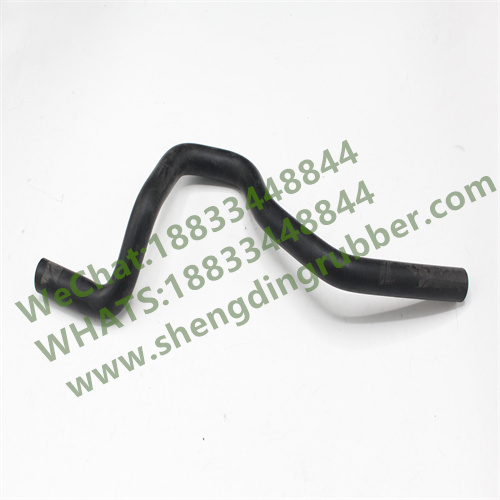
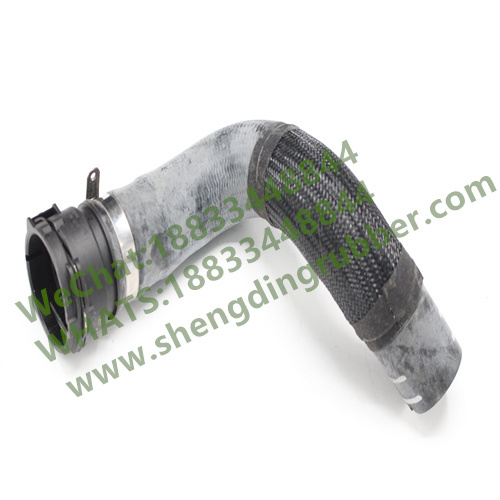
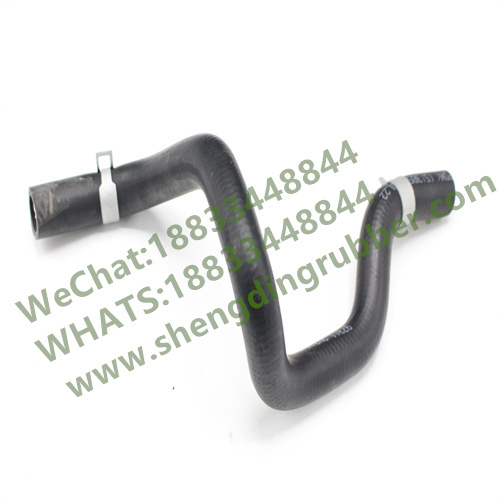
- **Coolant Hoses**: These hoses transport engine coolant to maintain optimal operating temperatures.
- **Fuel Hoses**: Designed to carry fuel from the tank to the engine, ensuring efficient fuel delivery.
- **Vacuum Hoses**: Vital for regulating air pressure within the engine, affecting overall performance.
- **Brake Hoses**: Critical for the braking system, these hoses must be in top condition for safety.
1.2 Functions of Automotive Hoses
Each type of hose plays a unique role, contributing to the vehicle's overall efficiency and functionality. Proper understanding of these roles helps in optimizing the entire hose setup.
2. The Importance of Hose Efficiency in Land Rover and Jaguar Vehicles
Optimizing your hose setup is not just about aesthetics; it's about performance. Efficient hoses can significantly affect fuel economy, engine temperature, and overall vehicle performance.
2.1 Enhancing Fuel Economy
By ensuring that fuel hoses are free from leaks and blockages, you can enhance fuel efficiency. Efficient fuel delivery directly correlates with better fuel economy.
2.2 Managing Engine Temperature
Coolant hoses must be in excellent condition to ensure the engine remains at optimal temperatures. Overheating can lead to significant engine damage and costly repairs.
3. Choosing the Right Hoses: Materials and Specifications
Selecting the right materials and specifications for your hose setup is essential for optimizing performance.
3.1 Hose Materials
Different materials can affect the durability and performance of hoses:
- **Rubber Hoses**: Commonly used for their flexibility and resistance to heat.
- **Silicone Hoses**: Known for their ability to withstand extreme temperatures and pressures.
- **Stainless Steel Braided Hoses**: Offer enhanced durability and resistance to wear.
3.2 Specifications to Consider
When choosing hoses, consider the following specifications:
- **Diameter**: Ensure the hose diameter matches the required specifications for optimal fluid flow.
- **Pressure Ratings**: Make sure the hoses can handle the pressure they will encounter during operation.
4. How to Properly Install Your Hoses for Maximum Efficiency
Proper installation is key to optimizing your hose setup. Here’s how to do it correctly:
4.1 Preparing for Installation
Before installation, ensure that all surfaces are clean and free from debris. Remove old hoses carefully to avoid damaging surrounding components.
4.2 Installation Steps
- **Cut to Size**: Ensure your hoses are cut to the appropriate length.
- **Use Proper Clamps**: Secure hoses with high-quality clamps that can withstand vibrations.
- **Test for Leaks**: After installation, start the engine and check for any leaks to ensure proper sealing.
5. Common Hose Issues and How to Troubleshoot Them
Even with proper installation and maintenance, issues can arise. Here are some common problems and how to address them.
5.1 Leaks
Leaking hoses can lead to various performance issues. Inspect hoses regularly for signs of wear or damage.
5.2 Cracks and Wear
Over time, hoses can develop cracks due to heat and pressure. Replace any hoses that show visible signs of wear.
6. Essential Maintenance Tips for Your Hose Setup
Regular maintenance is crucial for prolonging the life of your hoses.
6.1 Regular Inspections
Schedule periodic inspections to check for leaks, cracks, and signs of wear. Early detection can prevent more severe problems down the line.
6.2 Cleaning Hoses
Keep hoses clean by using a gentle detergent and water. Avoid harsh chemicals that can deteriorate the material.
7. Upgrading Your Hose System: When and Why
Upgrading your hose system can be a game-changer for performance.
7.1 Signs It’s Time to Upgrade
If you notice a drop in performance or efficiency, it may be time to consider an upgrade. Additionally, if you frequently modify your engine or performance parts, better hoses may be necessary.
7.2 Benefits of Upgrading
Upgrading can lead to improved performance, enhanced durability, and better resistance to extreme conditions.
8. Conclusion: Achieving Peak Performance with Your Hose Setup
Optimizing your Land Rover or Jaguar hose setup is a crucial step towards achieving peak vehicle performance. By understanding the types of hoses, their functions, and the importance of efficiency, you can ensure your vehicle operates smoothly and reliably. Regular maintenance, proper installation, and timely upgrades will not only enhance performance but also extend the lifespan of your hoses. Take the time to invest in your vehicle’s hose setup, and enjoy the benefits of a more efficient and powerful driving experience.
9. FAQs: Your Questions About Hose Optimization Answered
1. How often should I replace my automotive hoses?
Typically, hoses should be inspected every 30,000 miles and replaced as needed, especially if cracks or leaks are present.
2. Can I use any type of hose for my Land Rover or Jaguar?
No, it's essential to use hoses that meet the specific requirements and specifications for your vehicle's model.
3. What are the signs of a failing hose?
Common signs include leaks, visible cracks, bulges, or a drop in engine performance.
4. Are silicone hoses better than rubber hoses?
Silicone hoses can withstand higher temperatures and pressures but may be more expensive. The choice depends on your vehicle's needs.
5. How can I clean my automotive hoses?
Use a mild detergent and warm water, avoiding harsh chemicals. Gently scrub with a soft brush to remove dirt and grime.
Key words:
What Else Might You Learn?




Tel: +86-319-5539998
Phone/WhatsAPP: +86-18833448844
E-Mail:hbshengding@163.com
E-Mail:yanxinhao@hbshengdingautoparts.com
E-Mail:arya@hbshengdingautoparts.com
E-Mail:gogm_trade2@hbshengdingautoparts.com
Address: Qinghe County Economic Development Zone, Xingtai City, Hebei Province