Enterprises Mainly Engaged In Automotive Hoses Products

The Ultimate Guide to Maintaining Your Dodge, Jeep, or Chrysler Radiator Hose
Release Time:
Nov 07,2024
The Ultimate Guide to Maintaining Your Dodge, Jeep, or Chrysler Radiator Hose Table of Contents 1. Introduction to Radiator Hoses 2. Understanding Radiator Hoses 2.1 Types of Radiator Hoses 2.2 Importance of Radiator Hoses in Cooling Systems 3. Maintenance Best Practices 3.1 Regular Inspections 3.2 Cleaning Your Radiator Hoses 3.3 Checking for Le
The Ultimate Guide to Maintaining Your Dodge, Jeep, or Chrysler Radiator Hose
Table of Contents
- 1. Introduction to Radiator Hoses
- 2. Understanding Radiator Hoses
- 3. Maintenance Best Practices
- 3.1 Regular Inspections
- 3.2 Cleaning Your Radiator Hoses
- 3.3 Checking for Leaks and Cracks
- 3.4 When to Replace Your Radiator Hoses
- 4. Common Issues with Radiator Hoses
- 5. DIY Repair and Replacement
- 6. When to Seek Professional Services
- 7. Frequently Asked Questions
- 8. Conclusion
1. Introduction to Radiator Hoses
The radiator hose is a critical component of your vehicle's cooling system, playing an essential role in maintaining the engine's optimal temperature. In this comprehensive guide, we will delve into effective maintenance strategies specifically tailored for Dodge, Jeep, and Chrysler vehicles. By understanding your radiator hoses and implementing best practices, you can enhance the lifespan of this crucial part and ensure your vehicle operates smoothly.
2. Understanding Radiator Hoses
2.1 Types of Radiator Hoses
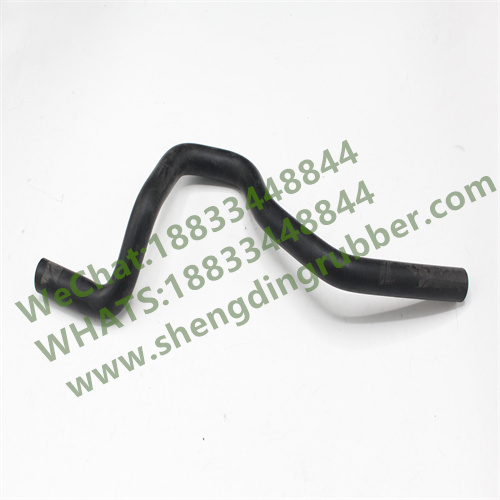
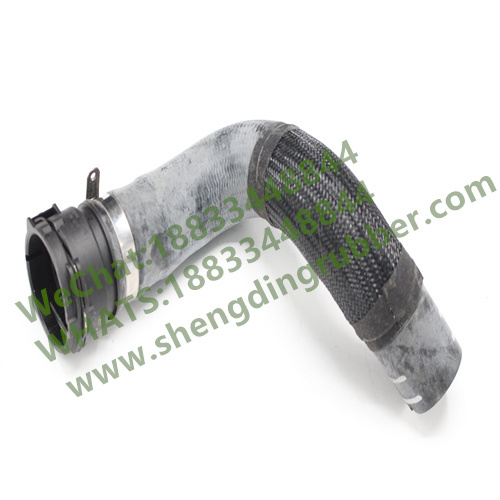
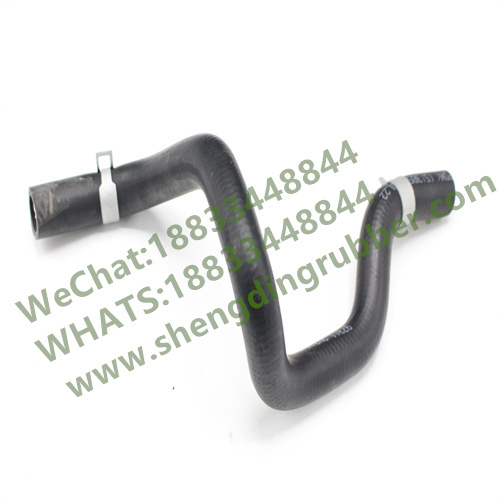
Radiator hoses come in two primary types: the upper and lower radiator hoses. The **upper radiator hose** connects the engine's coolant outlet to the radiator. It carries heated coolant from the engine to the radiator, where it cools down. The **lower radiator hose** performs the opposite function by transporting cooled coolant back to the engine. Understanding these functions will help you diagnose potential issues effectively.
2.2 Importance of Radiator Hoses in Cooling Systems
Radiator hoses play a pivotal role in the overall cooling system. They transport coolant, regulate engine temperatures, and prevent overheating. A compromised radiator hose can lead to a cascade of problems, including engine damage. Thus, ensuring their proper maintenance is not just a good practice; it's a necessity for vehicle longevity.
3. Maintenance Best Practices
3.1 Regular Inspections
Regular inspections are paramount in maintaining the integrity of your radiator hoses. It's advisable to visually inspect your hoses every month, looking for signs of wear and tear such as cracks, bulges, or swelling. Addressing minor issues promptly can save you from major repairs down the line.
3.2 Cleaning Your Radiator Hoses
While inspecting, it's also essential to clean your radiator hoses to remove any accumulated grime or debris. A mixture of vinegar and water can be effective in cleaning without causing damage. After cleaning, rinse thoroughly and dry the hoses completely.
3.3 Checking for Leaks and Cracks
Leaks can lead to significant engine problems. To check for leaks, start your engine and let it warm up. Carefully inspect the hoses for any signs of coolant seeping out. If you notice any leaks, it's crucial to replace the hose immediately to avoid further complications.
3.4 When to Replace Your Radiator Hoses
Hoses can degrade over time due to heat, pressure, and environmental factors. It's generally recommended to replace radiator hoses every four years. However, if you notice any damage during your inspections, don’t wait for the next scheduled replacement; address the issue immediately.
4. Common Issues with Radiator Hoses
4.1 Overheating Problems
Overheating is a common issue linked directly to radiator hose problems. A damaged or leaking hose can disrupt coolant flow, causing your engine to overheat. If you notice the temperature gauge rising, investigate your radiator hoses for potential problems.
4.2 Pressure Build-Up and Its Effects
Pressure build-up can occur from a clogged radiator or a malfunctioning thermostat. This pressure can lead to hose failure, resulting in leaks or bursts. Regularly checking your cooling system for clogs can prevent pressure build-up and extend the life of your hoses.
4.3 Hose Material Degradation
Radiator hoses are often made from rubber, which can degrade over time due to exposure to heat and chemicals. This degradation can result in cracks and leaks. Be aware of the age and condition of your hoses to prevent unexpected breakdowns.
5. DIY Repair and Replacement
5.1 Tools Needed for the Job
If you decide to tackle radiator hose maintenance yourself, ensure you have the right tools. You’ll need:
- A pair of pliers
- A socket set
- A coolant catch pan
- Replacement hoses
- Hose clamps
- A funnel for pouring coolant
5.2 Step-by-Step Repair Process
1. **Ensure Safety:** Begin by allowing your engine to cool down. Never attempt repairs on a hot engine.
2. **Drain Coolant:** Place a catch pan under the radiator and drain the coolant.
3. **Remove the Old Hose:** Use pliers to loosen the clamps and carefully remove the old hose.
4. **Install the New Hose:** Place the new hose onto the fittings and secure it with clamps.
5. **Refill Coolant:** Use a funnel to refill the radiator with coolant.
6. **Check for Leaks:** Start your engine and let it run, checking for any leaks around the new hose.
6. When to Seek Professional Services
While DIY repairs can save money, some situations warrant professional help. If you are uncomfortable with any steps in the maintenance process or if issues persist after your repairs, seeking assistance from a qualified technician is advisable. They can provide a thorough inspection and recommend further actions.
7. Frequently Asked Questions
7.1 How often should I check my radiator hoses?
Regular inspections are recommended every month, with a full replacement typically every four years.
7.2 What are the signs of a failing radiator hose?
Signs include visible cracks, bulges, leaks, or an overheating engine.
7.3 Can I drive with a damaged radiator hose?
Driving with a damaged hose is not advisable, as it can lead to severe engine damage.
7.4 What type of coolant should I use?
Always refer to your vehicle's owner manual for the recommended coolant type.
7.5 Are there any preventative measures I can take?
Regular inspections, cleaning, and replacing hoses as needed can help prevent issues.
8. Conclusion
Maintaining your Dodge, Jeep, or Chrysler radiator hose is crucial to ensuring your vehicle's longevity and optimal performance. By following the best practices outlined in this guide, you can save yourself from costly repairs and enjoy a smoother driving experience. Regular inspections, timely repairs, and understanding the importance of radiator hoses will empower you as a responsible vehicle owner. Take control of your vehicle's health today and keep your radiator hoses in excellent condition!
Key words:
What Else Might You Learn?




Tel: +86-319-5539998
Phone/WhatsAPP: +86-18833448844
E-Mail:hbshengding@163.com
E-Mail:yanxinhao@hbshengdingautoparts.com
E-Mail:arya@hbshengdingautoparts.com
E-Mail:gogm_trade2@hbshengdingautoparts.com
Address: Qinghe County Economic Development Zone, Xingtai City, Hebei Province