Enterprises Mainly Engaged In Automotive Hoses Products

Essential Insights on Hyundai KIA Radiator Hose: A Comprehensive Guide
Release Time:
Nov 02,2024
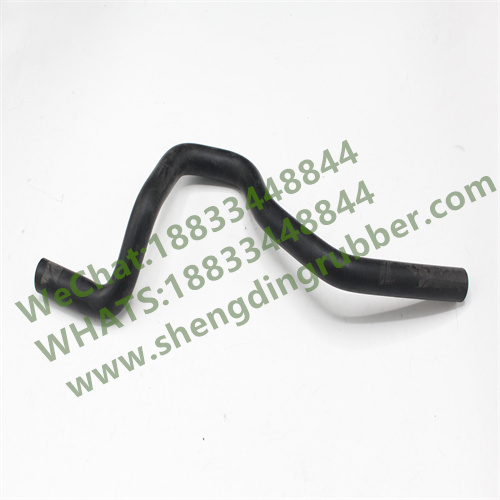
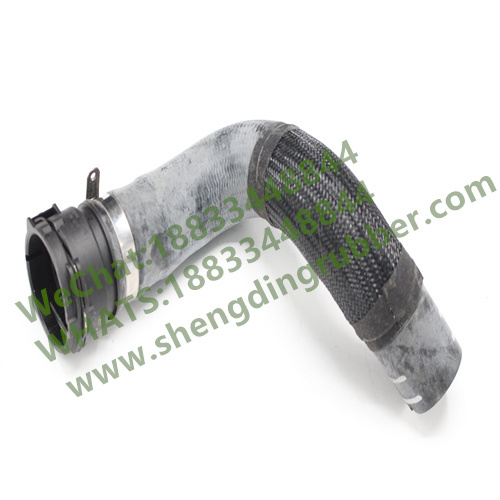
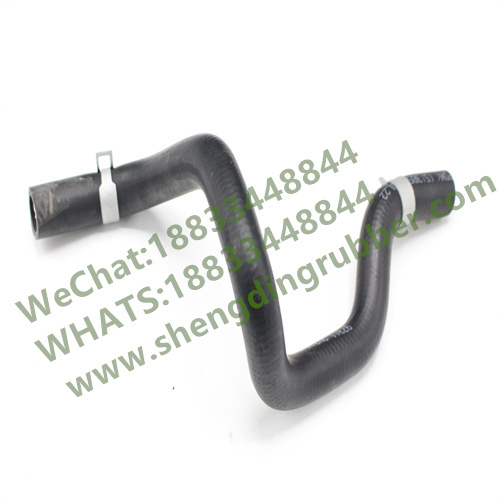
When it comes to the cooling system of your Hyundai or KIA vehicle, the radiator hose plays a crucial role in maintaining proper engine temperature and preventing overheating. The radiator hose is responsible for transporting coolant between the engine and the radiator, ensuring that the engine operates within its ideal temperature range. If you're looking to understand more about the Hyundai KIA
The primary function of the Hyundai KIA radiator hose is to facilitate the flow of coolant. This fluid absorbs heat from the engine and transfers it to the radiator, where it cools down before returning to the engine. The radiator hose is typically made from durable rubber or silicone materials, designed to withstand high temperatures and pressures. Over time, however, exposure to extreme conditions can lead to wear and tear, making regular inspection and maintenance crucial.
One of the most significant signs that your radiator hose may need attention is visible wear, such as cracks, bulges, or leaks. If you notice coolant puddling underneath your vehicle or a decrease in coolant levels, it may indicate a problem with the hose. Additionally, if your engine temperature gauge indicates overheating, it could also be a symptom of a compromised radiator hose. Ignoring these signs can lead to serious engine damage, making it essential to address any issues promptly.
Regular maintenance of your Hyundai KIA radiator hose can enhance the longevity and performance of your vehicle's cooling system. It's advisable to inspect the hose periodically, checking for any signs of wear, loose connections, or leaks. If you notice any irregularities, seeking professional assistance is recommended. In some cases, replacing the radiator hose may be necessary, especially if it shows significant signs of deterioration.
When selecting a replacement radiator hose for your Hyundai or KIA, it's important to choose high-quality options that meet the manufacturer's specifications. This ensures compatibility and optimal performance. Additionally, consider seeking advice from a qualified technician who can guide you on the best practices for installation and maintenance.
In summary, the Hyundai KIA radiator hose is an essential component of your vehicle's cooling system. Understanding its role, recognizing the signs of wear, and committing to regular maintenance can help ensure your engine runs smoothly and efficiently. By paying attention to this crucial part of your vehicle, you can prevent costly repairs and enjoy a reliable driving experience.
Key words:
What Else Might You Learn?




Tel: +86-319-5539998
Phone/WhatsAPP: +86-18833448844
E-Mail:hbshengding@163.com
E-Mail:yanxinhao@hbshengdingautoparts.com
E-Mail:arya@hbshengdingautoparts.com
E-Mail:gogm_trade2@hbshengdingautoparts.com
Address: Qinghe County Economic Development Zone, Xingtai City, Hebei Province