Enterprises Mainly Engaged In Automotive Hoses Products

Unleash the Power of Your Engine with Chevrolet GMC Hose Upgrade
Release Time:
Oct 18,2024
Unleash the Power of Your Engine with Chevrolet GMC Hose Upgrade Table of Contents 1. Introduction 2. Understanding Hoses in Your Vehicle 3. The Importance of Hose Upgrades 4. Types of Hoses in Chevrolet and GMC Vehicles 5. Benefits of Upgrading Your Hoses 6. How to Choose the Right Hoses for Your Chevrolet or GMC 7. Installation Guide for Hose Upgrades 8. Maintain
Unleash the Power of Your Engine with Chevrolet GMC Hose Upgrade
Table of Contents
- 1. Introduction
- 2. Understanding Hoses in Your Vehicle
- 3. The Importance of Hose Upgrades
- 4. Types of Hoses in Chevrolet and GMC Vehicles
- 5. Benefits of Upgrading Your Hoses
- 6. How to Choose the Right Hoses for Your Chevrolet or GMC
- 7. Installation Guide for Hose Upgrades
- 8. Maintaining Your Upgraded Hoses
- 9. Conclusion
- 10. Frequently Asked Questions (FAQs)
1. Introduction
Upgrading the hoses in your Chevrolet or GMC vehicle can significantly enhance its engine performance. As the heart of your automobile, the engine relies on various components, including high-quality hoses, to operate efficiently. This article provides an in-depth look at the process of upgrading your hoses, emphasizing the benefits, types available, and essential maintenance practices.
2. Understanding Hoses in Your Vehicle
Hoses serve a crucial role in automobile engines by transporting fluids essential for optimal performance. The primary types of hoses include:
2.1. Radiator Hoses
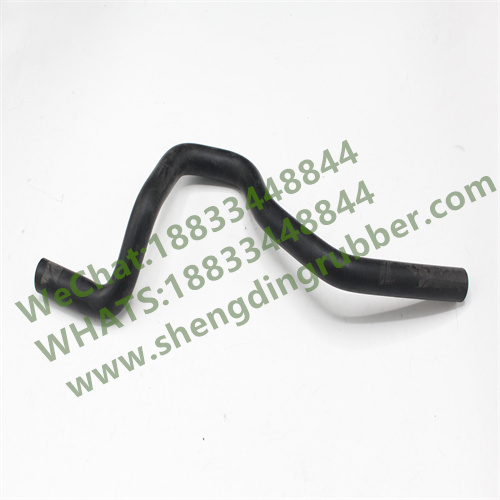
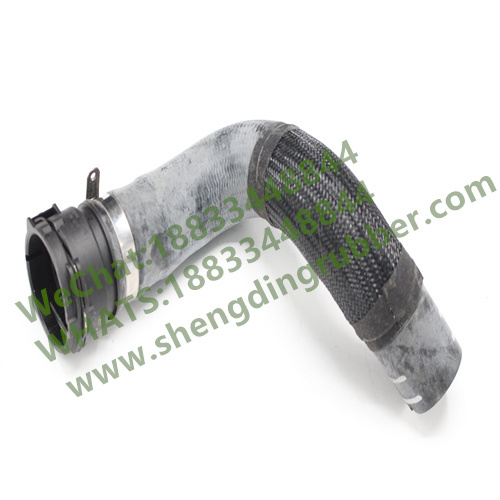
These hoses transport coolant to and from the engine, regulating temperature to prevent overheating.
2.2. Heater Hoses
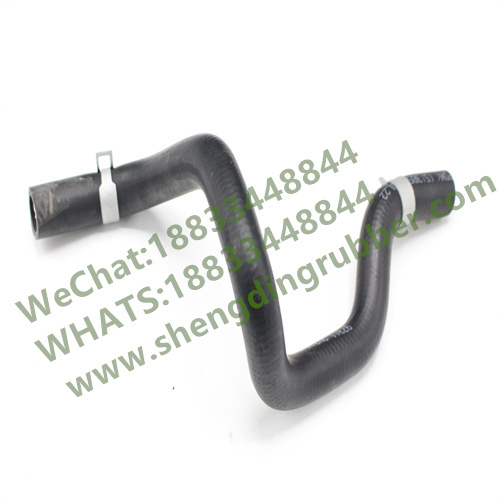
Heater hoses facilitate the flow of hot coolant to the car's heating system, providing warmth to the cabin during colder months.
2.3. Fuel Hoses
Fuel hoses convey gasoline from the fuel tank to the engine, playing a vital role in fuel efficiency and performance.
3. The Importance of Hose Upgrades
Over time, OEM (Original Equipment Manufacturer) hoses may deteriorate due to wear and tear, leading to leaks and loss of pressure. Upgrading to high-performance hoses not only enhances reliability but also maximizes power output.
3.1. Enhanced Performance
High-quality hoses can withstand higher pressures and temperatures, ensuring optimal fluid flow and improved engine performance.
3.2. Increased Durability
Upgraded hoses made from superior materials resist cracking and bursting, ensuring longevity and reducing the frequency of replacements.
3.3. Improved Fuel Efficiency
With better fluid flow, upgraded hoses contribute to enhanced fuel efficiency, resulting in lower fuel costs over time.
4. Types of Hoses in Chevrolet and GMC Vehicles
When considering a hose upgrade, it’s essential to understand the different types available. Below are some popular options:
4.1. Silicone Hoses
Silicone hoses are known for their flexibility and heat resistance, making them ideal for high-performance applications.
4.2. Stainless Steel Braided Hoses
These hoses combine durability with aesthetic appeal. The stainless steel braiding protects the internal hose from abrasion and high pressures.
4.3. Rubber Hoses
Rubber hoses are the standard in many vehicles. However, upgrading to high-grade rubber can yield better performance and longevity.
5. Benefits of Upgrading Your Hoses
The advantages of upgrading hoses extend beyond mere aesthetics. Here are some benefits to consider:
5.1. Preventing Engine Damage
Upgraded hoses prevent leaks and ruptures, which can lead to severe engine damage if not addressed timely.
5.2. Enhancing Performance Metrics
Upgrades can lead to noticeable improvements in horsepower and torque, enhancing overall driving experience.
5.3. Better Heat Resistance
High-performance hoses can handle extreme temperatures, ensuring that your engine operates within optimal limits regardless of conditions.
6. How to Choose the Right Hoses for Your Chevrolet or GMC
Selecting the best hoses for your vehicle involves several considerations:
6.1. Compatibility
Ensure the hoses are compatible with your specific Chevrolet or GMC model to avoid installation issues.
6.2. Material Quality
Choose hoses made from high-quality materials such as silicone or reinforced rubber to enhance performance and longevity.
6.3. Manufacturer Reputation
Opt for reputable manufacturers known for producing durable automotive components to ensure reliability.
7. Installation Guide for Hose Upgrades
The installation process of upgraded hoses can be straightforward with the right tools and techniques. Here’s a step-by-step guide:
7.1. Gather Necessary Tools
Prepare tools such as pliers, wrenches, and hose clamps to assist in the installation process.
7.2. Remove Old Hoses
Carefully detach the old hoses by loosening the clamps. Inspect the hoses for signs of wear, which may inform your future maintenance decisions.
7.3. Install New Hoses
Fit the new hoses into place, ensuring a snug connection. Use hose clamps to secure each end properly.
7.4. Test for Leaks
After installation, start your engine and check for leaks. Ensure everything functions correctly before taking your vehicle on the road.
8. Maintaining Your Upgraded Hoses
Proper maintenance of your new hoses will ensure they last longer and perform better. Here are some useful tips:
8.1. Regular Inspections
Conduct routine checks for cracks, leaks, or wear signs. Addressing issues promptly can prevent larger problems down the road.
8.2. Cleanliness
Keep the engine area clean to prevent debris from entering the hoses, which can cause damage over time.
8.3. Replace as Needed
Be proactive about replacements. If hoses show signs of deterioration, replace them immediately to maintain engine performance.
9. Conclusion
Upgrading your hoses is a significant step toward unleashing the full potential of your Chevrolet or GMC vehicle. With enhanced performance, durability, and efficiency, the investment in high-quality hoses pays dividends in the long run. By understanding the types of hoses available, the benefits of an upgrade, and the proper maintenance practices, you can ensure your engine operates at its best, providing you with a smooth and powerful driving experience.
10. Frequently Asked Questions (FAQs)
10.1. How often should I replace my vehicle's hoses?
Regularly inspecting your hoses every 30,000 miles is advisable, but replacing them every 4-5 years is a good rule of thumb.
10.2. What are the signs that my hoses need replacing?
Look for visible cracks, leaks, or signs of wear such as bulging or soft spots on the hoses.
10.3. Can I upgrade my hoses myself?
Yes, with the right tools and knowledge, hose upgrades can be a DIY project. However, consider professional help if unsure.
10.4. Are silicone hoses better than rubber hoses?
Silicone hoses often provide better heat resistance and flexibility compared to standard rubber hoses, making them suitable for high-performance applications.
10.5. What should I do if I notice a leak?
If you detect a leak, turn off the engine immediately and inspect the hoses. It’s crucial to address leaks promptly to prevent engine damage.
Key words:
What Else Might You Learn?




Tel: +86-319-5539998
Phone/WhatsAPP: +86-18833448844
E-Mail:hbshengding@163.com
E-Mail:yanxinhao@hbshengdingautoparts.com
E-Mail:arya@hbshengdingautoparts.com
E-Mail:gogm_trade2@hbshengdingautoparts.com
Address: Qinghe County Economic Development Zone, Xingtai City, Hebei Province