Enterprises Mainly Engaged In Automotive Hoses Products

Enhanced Cooling Technology: The Future of Hyundai KIA Radiator Hose
Release Time:
Oct 08,2024
Enhanced Cooling Technology: The Future of Hyundai KIA Radiator Hose Table of Contents 1. Introduction to Enhanced Cooling Technology 2. The Importance of Radiator Hoses in Automotive Cooling Systems 3. Innovations in Radiator Hose Design 3.1 Advanced Materials for Durability 3.2 Innovative Manufacturing Techniques 4. The Role of Enhanced Cooling Technology in Hyundai KIA Vehicles 4.1 Performance
Enhanced Cooling Technology: The Future of Hyundai KIA Radiator Hose
Table of Contents
1. Introduction to Enhanced Cooling Technology
2. The Importance of Radiator Hoses in Automotive Cooling Systems
3. Innovations in Radiator Hose Design
3.1 Advanced Materials for Durability
3.2 Innovative Manufacturing Techniques
4. The Role of Enhanced Cooling Technology in Hyundai KIA Vehicles
4.1 Performance Benefits
4.2 Environmental Considerations
5. How Enhanced Cooling Technology Improves Engine Efficiency
6. Real-World Applications and Case Studies
7. FAQs about Hyundai KIA Radiator Hoses
8. Conclusion: The Future of Automotive Cooling Technology
1. Introduction to Enhanced Cooling Technology
In the automotive industry, the quest for improved performance and efficiency is never-ending. One of the critical components that contribute significantly to these goals is the radiator hose. **Enhanced cooling technology** has emerged as a game-changer, particularly for Hyundai and KIA vehicles, which are renowned for their innovation and reliability. This article delves into how these advancements are transforming radiator hose design and function, leading to better vehicle performance and longevity.
2. The Importance of Radiator Hoses in Automotive Cooling Systems
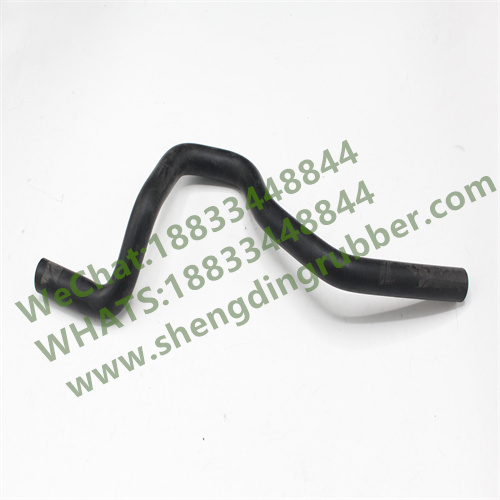
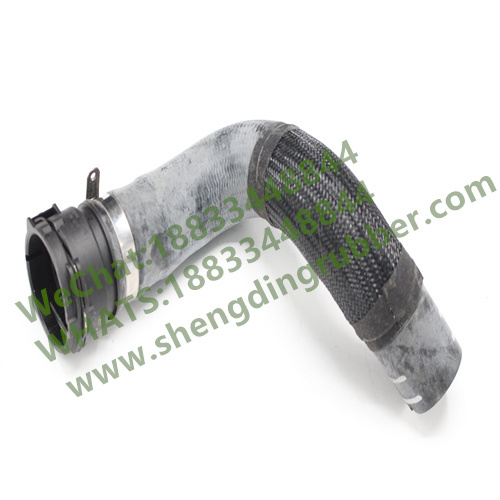
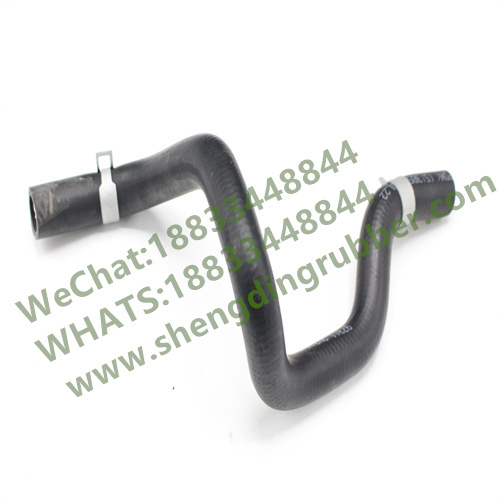
Radiator hoses play a vital role in the cooling system of any vehicle. They transport coolant between the engine and the radiator, ensuring that the engine operates within an optimal temperature range. **Effective coolant circulation** is essential to prevent overheating, which can lead to severe engine damage and reduced vehicle lifespan. Therefore, understanding and improving the design and materials used in radiator hoses is crucial for automotive manufacturers, particularly for brands like Hyundai and KIA that prioritize efficiency and performance.
3. Innovations in Radiator Hose Design
As technology advances, so do the materials and designs used in radiator hoses. Modern innovations focus on enhancing durability, flexibility, and overall performance. Here, we explore some of the key developments shaping the future of radiator hoses.
3.1 Advanced Materials for Durability
Traditionally, radiator hoses were made from rubber, which, while functional, had limitations in terms of heat resistance and longevity. Recent advancements have led to the use of high-performance materials such as silicone and thermoplastic elastomers. **Silicone hoses** can withstand higher temperatures and resist degradation caused by heat, oil, and environmental factors. This shift not only increases the lifespan of the hoses but also enhances the overall efficiency of the cooling system.
3.2 Innovative Manufacturing Techniques
The production methods for radiator hoses have also evolved. **3D printing technology** allows for the creation of complex geometries that optimize fluid dynamics within the hoses. This technology enables manufacturers to produce custom hoses that fit specific engine designs, improving coolant flow and reducing turbulence.
4. The Role of Enhanced Cooling Technology in Hyundai KIA Vehicles
Hyundai and KIA have positioned themselves as leaders in automotive innovation. The integration of enhanced cooling technology within their radiator hoses plays a substantial role in maintaining this status.
4.1 Performance Benefits
The use of advanced materials and manufacturing processes results in radiator hoses that are more efficient at controlling engine temperatures. This efficiency translates into improved engine performance, enabling vehicles to operate at peak levels even under demanding conditions. Enhanced cooling technology leads to quicker engine warm-up times and more consistent temperatures, which are crucial for performance-oriented models.
4.2 Environmental Considerations
In an age where environmental sustainability is paramount, Hyundai and KIA are not just focusing on performance but also on eco-friendliness. Enhanced radiator hoses contribute to lower emissions by ensuring that engines run more efficiently. Improved cooling systems minimize waste, leading to a reduced carbon footprint for the vehicles that utilize this technology.
5. How Enhanced Cooling Technology Improves Engine Efficiency
Engine efficiency is crucial for both performance and fuel economy. Enhanced cooling technology directly impacts how well an engine can maintain its optimal operating temperature. By utilizing advanced radiator hoses, manufacturers can ensure that engines do not overheat, which can cause them to run inefficiently and consume more fuel.
Additionally, a well-maintained cooling system reduces the likelihood of costly repairs and engine failures, ensuring that vehicles remain reliable over long distances. Enhanced cooling technology thus serves as a preventive measure that contributes to the overall efficiency and longevity of Hyundai and KIA vehicles.
6. Real-World Applications and Case Studies
The implementation of enhanced cooling technology in Hyundai and KIA vehicles has yielded remarkable results. For instance, the introduction of silicone radiator hoses in the Hyundai Sonata has shown a marked improvement in engine temperature regulation. Case studies have demonstrated that these hoses can withstand extreme temperatures without compromising their integrity, leading to a lower incidence of engine-related issues.
Moreover, KIA’s high-performance models, such as the KIA Stinger, have benefited from tailored radiator hose designs that optimize airflow and coolant circulation. These enhancements not only improve performance but also contribute to the overall driving experience, demonstrating the tangible benefits of enhanced cooling technology.
7. FAQs about Hyundai KIA Radiator Hoses
What materials are used in enhanced radiator hoses?
Enhanced radiator hoses are typically made from high-performance materials like silicone and thermoplastic elastomers, which offer superior heat resistance and durability compared to traditional rubber.
How do enhanced radiator hoses improve engine performance?
By ensuring optimal coolant flow and temperature regulation, enhanced radiator hoses help engines operate efficiently, leading to better performance and fuel economy.
Are enhanced radiator hoses environmentally friendly?
Yes, these hoses contribute to reduced emissions by allowing engines to run more efficiently, minimizing waste and the overall carbon footprint of the vehicle.
How often should I replace my radiator hoses?
It is advisable to inspect radiator hoses regularly and replace them every 4 to 5 years or if any signs of wear and tear are observed, such as cracks or leaks.
Can I install enhanced radiator hoses myself?
While it is possible to install radiator hoses yourself, we recommend consulting a professional mechanic to ensure proper installation and avoid potential issues.
8. Conclusion: The Future of Automotive Cooling Technology
In conclusion, enhanced cooling technology represents a significant leap forward in the design and functionality of radiator hoses, particularly in Hyundai and KIA vehicles. By utilizing advanced materials and innovative manufacturing techniques, these manufacturers are setting new standards for performance, efficiency, and sustainability in the automotive industry. As we move towards a future where vehicle efficiency and environmental consciousness are paramount, the role of enhanced cooling technology will undoubtedly grow, solidifying its position as a cornerstone of modern automotive engineering.
Understanding these advancements not only informs consumers but also empowers them to make educated decisions when it comes to vehicle maintenance and upgrades. As the automotive landscape continues to evolve, keeping an eye on these developments in cooling technology will be crucial for anyone invested in the performance and longevity of their vehicles.
Key words:
What Else Might You Learn?




Tel: +86-319-5539998
Phone/WhatsAPP: +86-18833448844
E-Mail:hbshengding@163.com
E-Mail:yanxinhao@hbshengdingautoparts.com
E-Mail:arya@hbshengdingautoparts.com
E-Mail:gogm_trade2@hbshengdingautoparts.com
Address: Qinghe County Economic Development Zone, Xingtai City, Hebei Province