Enterprises Mainly Engaged In Automotive Hoses Products

Top Reasons Why Chevrolet GMC Hose Is Essential for Your Car
Release Time:
Aug 29,2024
Top Reasons Why Chevrolet GMC Hose Is Essential for Your Car When it comes to automobile maintenance, there are many components that drivers often overlook. One such crucial element is the hose, specifically those found in Chevrolet and GMC vehicles. These hoses play a vital role in the functionality of your car, impacting everything from engine performance to safety measures. In this article, we
Top Reasons Why Chevrolet GMC Hose Is Essential for Your Car
When it comes to automobile maintenance, there are many components that drivers often overlook. One such crucial element is the hose, specifically those found in Chevrolet and GMC vehicles. These hoses play a vital role in the functionality of your car, impacting everything from engine performance to safety measures. In this article, we will explore the **top reasons** why Chevrolet GMC hoses are essential for your vehicle, providing insights and tips to ensure you keep your car in optimal condition.
Table of Contents
- Importance of Chevrolet GMC Hoses
- Types of Hoses in Chevrolet GMC Vehicles
- How Hoses Affect Engine Performance
- The Role of Hoses in Vehicle Safety
- Signs of Deteriorating Hoses
- Maintenance Tips for Hoses
- Choosing the Right Hoses for Your Chevrolet GMC
- Conclusion
- FAQs
Importance of Chevrolet GMC Hoses
Hoses are more than just rubber tubes; they are lifelines for various systems within your vehicle. In Chevrolet and GMC cars, hoses are responsible for carrying fluids essential for the operation of the engine, cooling systems, brake systems, and more. The integrity of these hoses is vital for the overall performance and safety of your vehicle.
Typically made from durable materials like rubber or silicone, these hoses can degrade over time due to heat, pressure, and environmental factors. Understanding their importance can help car owners make informed decisions about maintenance and replacements.
Types of Hoses in Chevrolet GMC Vehicles
Chevrolet and GMC vehicles utilize various types of hoses, each serving unique functions:
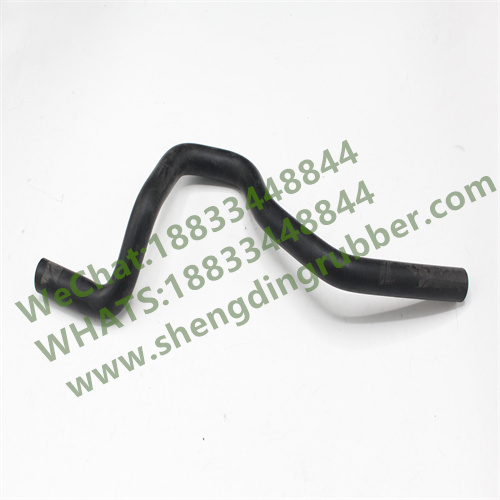
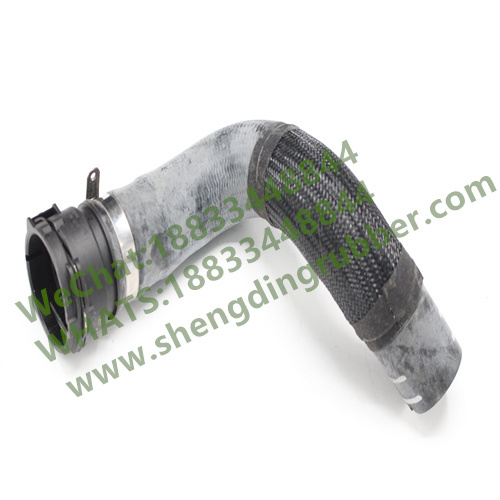
1. Radiator Hoses
These hoses connect the engine to the radiator, facilitating the circulation of coolant. They help maintain the engine's temperature, preventing overheating and ensuring efficient performance.
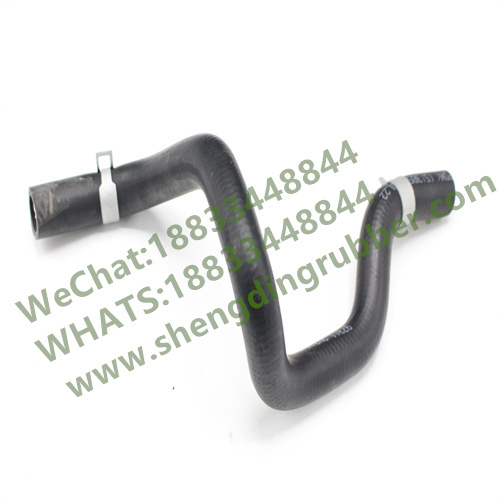
2. Heater Hoses
Heater hoses transfer hot coolant from the engine to the heater core, providing warmth in the cabin during cold weather. They play a critical role in maintaining passenger comfort.
3. Fuel Hoses
Fuel hoses are responsible for delivering gasoline from the tank to the engine. Any leaks or failures in fuel hoses can lead to serious performance issues and safety hazards.
4. Brake Hoses
These hoses carry brake fluid from the master cylinder to the brake components, allowing for effective braking performance. They are crucial for vehicle safety.
How Hoses Affect Engine Performance
The performance of a Chevrolet or GMC vehicle is closely tied to the condition of its hoses. Here's how they impact overall functionality:
1. Coolant Flow
Radiator and heater hoses are essential for maintaining proper coolant flow. If these hoses become cracked or blocked, it can lead to engine overheating, resulting in costly repairs.
2. Fuel Efficiency
Leaky fuel hoses can cause a drop in fuel efficiency. When fuel escapes, the engine has to work harder to maintain performance, leading to increased fuel consumption.
3. Power Loss
Deteriorated or damaged hoses can restrict airflow or fluid flow, resulting in power loss. This can affect acceleration and overall driving experience, making timely hose maintenance critical.
The Role of Hoses in Vehicle Safety
Vehicle safety is paramount, and hoses play a significant role in this regard:
1. Brake Performance
Braking systems rely on brake hoses to deliver fluid pressure. Any issues with these hoses can compromise braking efficiency, increasing the risk of accidents.
2. Preventing Fluid Leaks
Hoses that are in good condition help prevent leaks of essential fluids, including coolant, brake fluid, and fuel. Leaks can lead to hazardous driving conditions and severe mechanical failures.
3. Emergency Situations
In emergency scenarios, such as sudden stops or sharp turns, the integrity of hoses ensures that critical systems function as intended. This reliability can be a decisive factor in avoiding accidents.
Signs of Deteriorating Hoses
Recognizing the signs of hose deterioration is vital for maintaining vehicle health. Here are some common indicators:
1. Visible Cracks or Bulges
Inspect hoses regularly for any visible signs of wear, such as cracks, bulges, or fraying. These are clear indicators that a replacement is necessary.
2. Leaks
Puddles of fluid under the vehicle can suggest a leak in one of the hoses. Identifying and addressing leaks promptly can prevent further damage.
3. Overheating Engine
If your engine is overheating, it may indicate a problem with the radiator or heater hoses. Timely inspection can help prevent catastrophic engine damage.
Maintenance Tips for Hoses
Proper maintenance can significantly extend the lifespan of your Chevrolet GMC hoses. Here are some essential tips:
1. Regular Inspections
Conduct regular visual inspections of all hoses. Look for signs of wear and tear, and don’t hesitate to seek professional advice if you notice anything concerning.
2. Replace When Needed
If a hose shows significant signs of deterioration, replace it immediately. It’s better to invest in a new hose than to face costly repairs later.
3. Maintain Proper Fluid Levels
Keeping an eye on fluid levels can help detect leaks early. Ensure that your coolant, brake fluid, and fuel levels are within recommended ranges.
4. Use Quality Replacement Parts
When replacing hoses, opt for high-quality components specifically designed for your Chevrolet or GMC model. This ensures compatibility and longevity.
Choosing the Right Hoses for Your Chevrolet GMC
When it comes to replacing hoses, choosing the right ones is crucial. Here are some considerations:
1. OEM vs. Aftermarket
Opt for Original Equipment Manufacturer (OEM) hoses when possible. Although aftermarket parts may be cheaper, OEM hoses assure quality and compatibility.
2. Material Considerations
Consider the material of the hoses. Silicone hoses, for example, can offer better resistance to heat and pressure compared to rubber hoses.
3. Compatibility
Ensure that the hoses you select are compatible with your specific Chevrolet or GMC model. Consult your vehicle’s manual or a trusted mechanic for guidance.
Conclusion
In conclusion, the **importance of Chevrolet GMC hoses** cannot be overstated. They play a vital role in maintaining engine performance, ensuring vehicle safety, and enhancing overall driving experiences. Regular inspections and maintenance of these hoses are crucial in preventing issues that can lead to significant repairs and safety hazards. By understanding the different types of hoses, their functions, and the signs of wear, you can take proactive steps to ensure your vehicle remains in optimal condition. Remember, investing in quality hoses and proper maintenance is key to the longevity and performance of your Chevrolet or GMC vehicle.
FAQs
1. How often should I inspect my vehicle’s hoses?
We recommend inspecting hoses every six months or during routine maintenance.
2. What are the signs that a hose needs to be replaced?
Look for visible cracks, bulges, leaks, or overheating issues as indicators for replacement.
3. Can I replace hoses myself, or should I hire a professional?
While some car owners may handle replacements, it’s often best to consult a professional for proper installation.
4. What materials are best for Chevrolet GMC hoses?
Silicone hoses provide excellent durability and heat resistance, making them a great choice.
5. How can I prevent hose damage?
Regular inspections, maintaining proper fluid levels, and using quality parts can help prevent damage to hoses.
Key words:
What Else Might You Learn?




Tel: +86-319-5539998
Phone/WhatsAPP: +86-18833448844
E-Mail:hbshengding@163.com
E-Mail:yanxinhao@hbshengdingautoparts.com
E-Mail:arya@hbshengdingautoparts.com
E-Mail:gogm_trade2@hbshengdingautoparts.com
Address: Qinghe County Economic Development Zone, Xingtai City, Hebei Province