Enterprises Mainly Engaged In Automotive Hoses Products

Understanding the Importance of Dodge Jeep Chrysler Radiator Hoses
Release Time:
Aug 24,2024
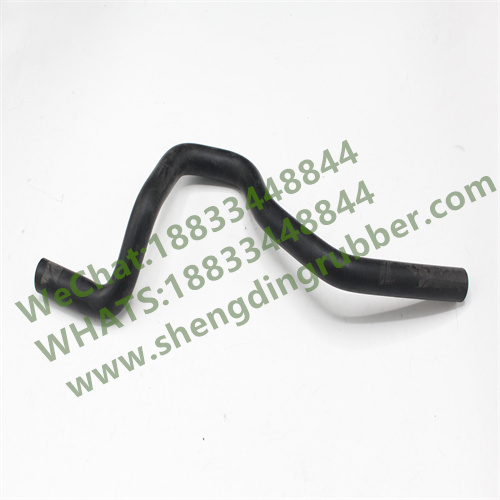
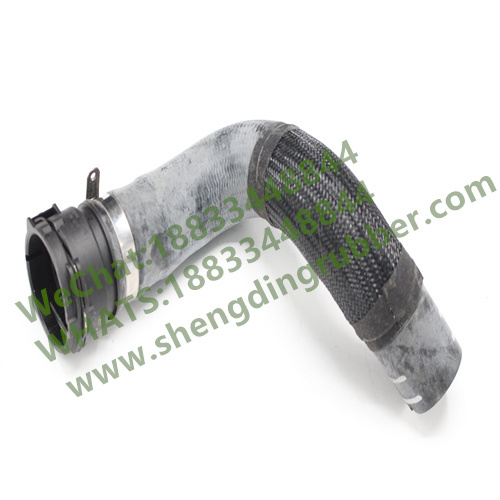
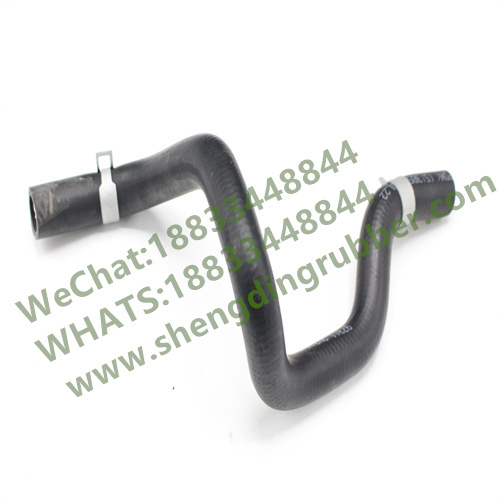
Radiator hoses are integral parts of the cooling system in Dodge, Jeep, and Chrysler vehicles, serving a crucial role in maintaining engine temperature. These hoses transport coolant from the engine to the radiator, where it is cooled before being cycled back to the engine. The efficiency of this process is vital for preventing engine overheating, which can lead to severe damage and costly repairs
Typically, there are two primary hoses in most vehicles: the upper radiator hose and the lower radiator hose. The upper hose carries hot coolant from the engine to the radiator, while the lower hose returns the cooled coolant back to the engine. Over time, these hoses can wear out due to exposure to heat, pressure, and various automotive fluids, leading to cracks, leaks, or bulges. Regular inspections are essential to identify potential issues before they escalate.
Maintaining the radiator hoses in your Dodge, Jeep, or Chrysler vehicle is straightforward yet crucial. It is advisable to inspect the hoses regularly, looking for signs of wear such as softness, cracks, or any fluid leaks. These inspections should be part of your routine vehicle maintenance, especially before long trips or in extreme weather conditions.
Another important aspect of radiator hose maintenance is ensuring the correct coolant levels in the system. A sufficiently filled coolant reservoir helps maintain optimal engine temperatures and reduces the strain on the hoses. If the coolant level is low, it can cause the hoses to run hot and fail prematurely.
In addition to regular inspections, if you notice any warning signs—like the engine overheating or a visible coolant leak—it's essential to address these issues immediately. Ignoring these signs can lead to more serious engine problems, which could require extensive repairs or even engine replacement.
When it comes to replacement, it is vital to choose high-quality hoses that meet the specifications for your specific Dodge, Jeep, or Chrysler model. Using substandard parts can compromise the cooling system's efficiency and lead to premature failure of other components.
In conclusion, understanding the importance of radiator hoses in Dodge, Jeep, and Chrysler vehicles is crucial for maintaining optimal performance and longevity. Regular inspections, proper coolant levels, and timely replacements can help prevent costly repairs and ensure that your vehicle runs smoothly and efficiently. Stay proactive in your vehicle's maintenance, and you can avoid the headaches associated with a failing cooling system.
Key words:
What Else Might You Learn?




Tel: +86-319-5539998
Phone/WhatsAPP: +86-18833448844
E-Mail:hbshengding@163.com
E-Mail:yanxinhao@hbshengdingautoparts.com
E-Mail:arya@hbshengdingautoparts.com
E-Mail:gogm_trade2@hbshengdingautoparts.com
Address: Qinghe County Economic Development Zone, Xingtai City, Hebei Province