Enterprises Mainly Engaged In Automotive Hoses Products

Optimal Performance: Essential Tips for Replacing Hyundai KIA Radiator Hoses
Release Time:
Aug 19,2024
Optimal Performance: Essential Tips for Replacing Hyundai KIA Radiator Hoses Table of Contents Understanding the Radiator Hose: What You Need to Know Signs of Wear and Tear: When to Replace Your Radiator Hoses The Importance of Quality Replacement Parts Tools and Materials Needed for the Replacement Step-by-Step Guide to Replacing Hyundai KIA Radiator Hoses After Replaceme
Optimal Performance: Essential Tips for Replacing Hyundai KIA Radiator Hoses
Table of Contents
- Understanding the Radiator Hose: What You Need to Know
- Signs of Wear and Tear: When to Replace Your Radiator Hoses
- The Importance of Quality Replacement Parts
- Tools and Materials Needed for the Replacement
- Step-by-Step Guide to Replacing Hyundai KIA Radiator Hoses
- After Replacement Care Tips for Radiator Hoses
- Frequently Asked Questions (FAQs)
- Conclusion: Ensuring Optimal Vehicle Performance
Understanding the Radiator Hose: What You Need to Know
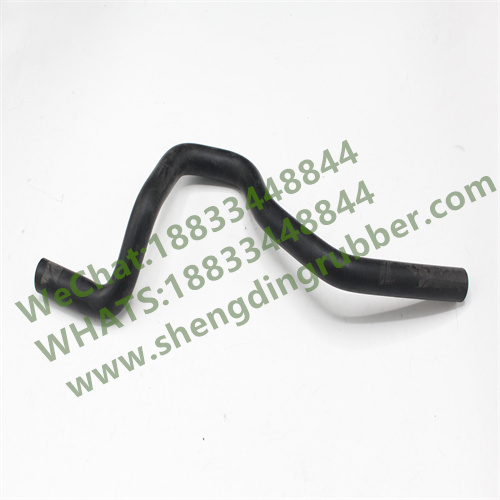
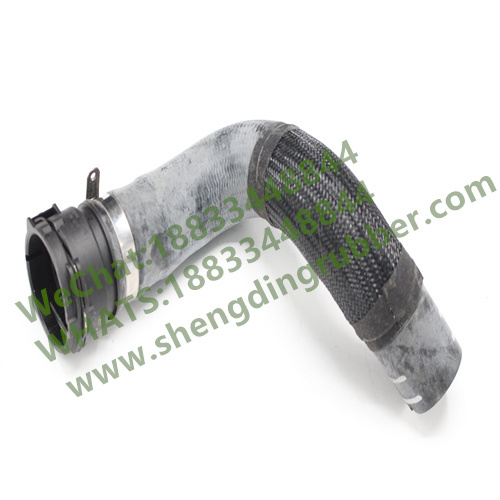
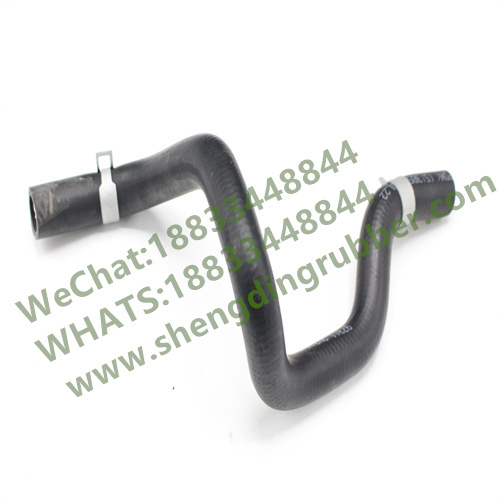
The radiator hose plays a **critical role** in your vehicle’s cooling system, connecting the engine to the radiator. It enables the coolant to flow, ensuring the engine maintains an optimal temperature. Understanding how this component functions will help you appreciate the significance of timely replacements and maintenance.
There are typically two types of radiator hoses: the **upper hose**, which is responsible for transporting coolant from the engine to the radiator, and the **lower hose**, which returns the cooled fluid back to the engine. Both hoses are designed to withstand high temperatures and pressures, but they can wear out over time due to environmental factors and heat.
Signs of Wear and Tear: When to Replace Your Radiator Hoses
Recognizing the **signs of wear and tear** early can save you from severe engine damage. Here are some red flags indicating it might be time for a replacement:
1. Visible Cracks or Bulges
Inspect your radiator hoses regularly for cracks, bulges, or soft spots. These imperfections can lead to leaks and significantly reduce the hose’s integrity.
2. Leaking Coolant
If you notice green or orange fluid pooling under your vehicle, it could be a sign that your radiator hose is leaking. Immediate attention is necessary to avoid overheating.
3. High Engine Temperature
A rising temperature gauge can indicate that the coolant is not circulating properly. This could be due to a malfunctioning radiator hose.
4. Deteriorating Hose Material
Over time, hoses can become brittle or hardened due to exposure to heat and chemicals. If your hose feels hard or brittle to the touch, consider replacing it.
5. Age of the Hose
Even if there are no visible signs of damage, if the hoses are over five years old, it’s prudent to consider a replacement as a part of regular maintenance.
The Importance of Quality Replacement Parts
When it comes to replacing radiator hoses, opting for **quality replacement parts** is essential. Using OEM (Original Equipment Manufacturer) parts ensures compatibility and longevity, while aftermarket parts may offer cost savings but often lack the same durability and fit. It’s wise to consult with a trusted mechanic or do thorough research before making a purchase to ensure you’re getting the best product for your vehicle.
Tools and Materials Needed for the Replacement
Before commencing the replacement, gather the following tools and materials:
Essential Tools
- Socket wrench set
- Screwdriver set
- Pliers
- Coolant recovery tank
- Hose clamps
Replacement Parts
- New upper and lower radiator hoses
- New hose clamps (if necessary)
- Coolant (make sure to use the correct type for your vehicle)
Step-by-Step Guide to Replacing Hyundai KIA Radiator Hoses
Replacing your radiator hoses may seem daunting, but with the right tools and instructions, it can be a straightforward process. Follow these steps:
Step 1: Ensure Safety First
Before starting, always ensure your engine is cool. Wear **protective gloves** and eyewear to safeguard against coolant splashes.
Step 2: Locate the Radiator Hoses
Open the hood and identify the upper and lower radiator hoses. They are typically located on the driver’s side of the engine.
Step 3: Drain the Coolant
Using a drain pan, drain the coolant from the radiator. Make sure to follow local regulations when disposing of coolant.
Step 4: Remove the Old Hoses
Loosen and remove the clamps holding the radiator hoses in place using pliers or a screwdriver. Carefully pull the hoses off the radiator and engine ports.
Step 5: Inspect the Connection Points
Before installing the new hoses, inspect the connection points for any signs of damage or corrosion. Clean any debris or old coolant for a better fit.
Step 6: Install the New Hoses
Position the new radiator hoses on the appropriate ports. Ensure they fit snugly and reattach the clamps securely.
Step 7: Refill the Coolant
Once the hoses are installed, refill the radiator with the appropriate coolant mixture. Consult your vehicle's manual for the recommended type and mix ratio.
Step 8: Check for Leaks
Start your engine and let it run for a few minutes. Check for any leaks around the hose connections. If everything looks good, you’re all set!
After Replacement Care Tips for Radiator Hoses
After successfully replacing your radiator hoses, proper care is essential to ensure their longevity. Here are some tips:
1. Regular Inspections
Check your hoses periodically for any signs of wear, especially before long trips.
2. Maintain Proper Coolant Levels
Ensure your coolant levels are adequate to prevent overheating and pressure build-up in the hoses.
3. Keep the Engine Clean
Regularly cleaning your engine bay can prevent dirt and debris from accumulating around the hoses, which can cause damage over time.
Frequently Asked Questions (FAQs)
1. How often should I replace my radiator hoses?
It’s advisable to replace them every 4 to 5 years, or sooner if you notice any signs of wear.
2. Can I replace radiator hoses myself?
Yes, with the right tools and instructions, it’s a manageable DIY project.
3. What type of coolant should I use?
Always refer to your vehicle’s manual for the recommended type of coolant.
4. What are the risks of driving with worn-out hoses?
Driving with damaged hoses can lead to overheating, engine failure, and costly repairs.
5. Where can I find quality replacement hoses?
You can find quality replacement hoses at auto parts stores, dealerships, or online retailers that specialize in OEM parts.
Conclusion: Ensuring Optimal Vehicle Performance
Replacing your Hyundai KIA radiator hoses is vital in maintaining your vehicle’s overall health and performance. Understanding the signs of wear, using quality parts, and following a systematic replacement process can ensure that your engine runs smoothly and efficiently. Regular maintenance and inspections will not only extend the life of your radiator hoses but also safeguard against more significant engine issues down the line. With proper care, your vehicle will maintain optimal performance, providing you with a reliable and enjoyable driving experience.
Key words:
What Else Might You Learn?




Tel: +86-319-5539998
Phone/WhatsAPP: +86-18833448844
E-Mail:hbshengding@163.com
E-Mail:yanxinhao@hbshengdingautoparts.com
E-Mail:arya@hbshengdingautoparts.com
E-Mail:gogm_trade2@hbshengdingautoparts.com
Address: Qinghe County Economic Development Zone, Xingtai City, Hebei Province