Enterprises Mainly Engaged In Automotive Hoses Products

Efficiency Unleashed: Expert Tips for Hyundai KIA Radiator Hose Maintenance
Release Time:
Jun 30,2024
**Introduction** Hyundai KIA vehicles are known for their reliability and efficiency on the road. To maintain optimal performance, it's crucial to pay attention to the radiator hose - a vital component of the cooling system. In this article, we will provide expert tips on how to effectively maintain your Hyundai KIA radiator hose for maximum efficiency. **Understanding the Radiator Hose** The radi
Hyundai KIA vehicles are known for their reliability and efficiency on the road. To maintain optimal performance, it's crucial to pay attention to the radiator hose - a vital component of the cooling system. In this article, we will provide expert tips on how to effectively maintain your Hyundai KIA radiator hose for maximum efficiency.
**Understanding the Radiator Hose**
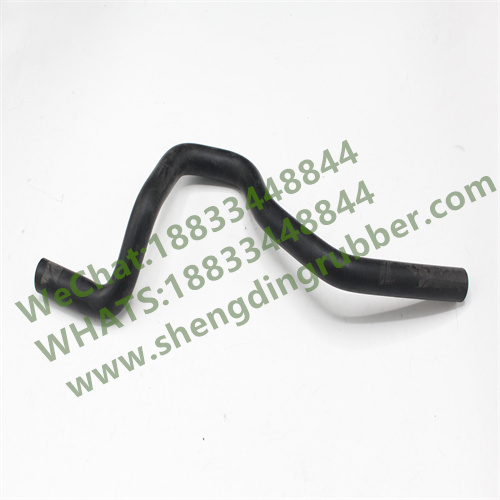
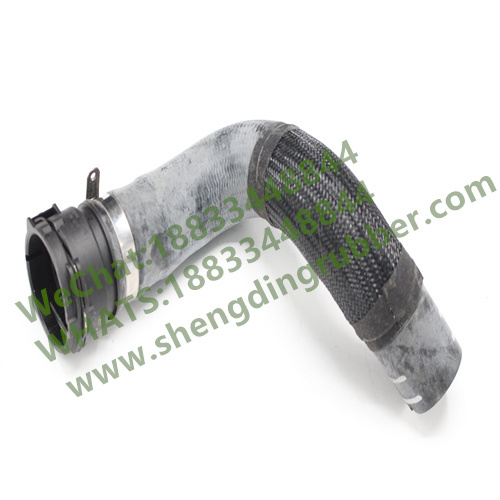
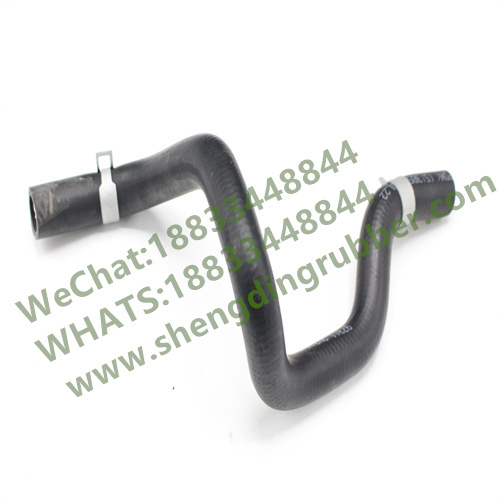
The radiator hose plays a critical role in the cooling system of your Hyundai KIA vehicle. It carries coolant from the radiator to the engine, helping regulate the temperature and prevent overheating. Over time, the radiator hose can deteriorate due to heat, pressure, and age, leading to leaks and potential engine damage.
**Signs of a Failing Radiator Hose**
It's essential to be aware of the warning signs that indicate a failing radiator hose. Look out for leaks, bulges, cracks, or soft spots in the hose. If you notice any of these symptoms, it's crucial to address them promptly to prevent further damage to your Hyundai KIA vehicle.
**Expert Tips for Radiator Hose Maintenance**
1. **Regular Inspection**: Inspect your radiator hose regularly for any signs of wear and tear. Look for leaks, cracks, or bulges, and replace the hose if necessary.
2. **Coolant Flush**: Perform a coolant flush at regular intervals to prevent debris buildup and corrosion in the radiator hose. This will help maintain optimal performance and prevent overheating.
3. **Proper Tightening**: Ensure that the hose clamps are securely tightened to prevent leaks and ensure a proper seal. Loose clamps can lead to coolant leaks and engine damage.
4. **Avoid Overheating**: Monitor the temperature gauge on your Hyundai KIA vehicle and avoid overheating. Excessive heat can put strain on the radiator hose and lead to premature failure.
5. **Use OEM Parts**: When replacing the radiator hose, opt for OEM parts to ensure compatibility and quality. Generic parts may not fit correctly or provide the same level of performance.
**Frequently Asked Questions**
1. **How often should I inspect my radiator hose?**
It's recommended to inspect your radiator hose at least every six months or whenever you notice any symptoms of failure.
2. **Can I replace the radiator hose myself?**
While it's possible to replace the radiator hose yourself, it's recommended to seek professional help for proper installation and safety.
3. **What happens if the radiator hose fails?**
If the radiator hose fails, coolant leaks can occur, leading to engine overheating and potential damage. It's essential to address the issue promptly.
4. **How long does a radiator hose last?**
The lifespan of a radiator hose can vary depending on usage and maintenance. It's recommended to replace the hose every 50,000 to 100,000 miles.
5. **Can I drive with a leaking radiator hose?**
It's not recommended to drive with a leaking radiator hose, as it can lead to engine damage and overheating. It's best to address the issue immediately.
**Conclusion**
Maintaining your Hyundai KIA radiator hose is essential for ensuring the efficiency and longevity of your vehicle. By following these expert tips for radiator hose maintenance, you can prevent potential issues and keep your Hyundai KIA running smoothly on the road. Stay proactive in caring for your radiator hose to enjoy optimal performance from your vehicle for years to come.
Key words:
What Else Might You Learn?




Tel: +86-319-5539998
Phone/WhatsAPP: +86-18833448844
E-Mail:hbshengding@163.com
E-Mail:yanxinhao@hbshengdingautoparts.com
E-Mail:arya@hbshengdingautoparts.com
E-Mail:gogm_trade2@hbshengdingautoparts.com
Address: Qinghe County Economic Development Zone, Xingtai City, Hebei Province