Enterprises Mainly Engaged In Automotive Hoses Products

The Ultimate Guide to Choosing the Right Radiator Hose for Your Dodge Jeep Chrysler
Release Time:
Apr 17,2024
--- If you own a Dodge, Jeep, or Chrysler vehicle, you understand the importance of keeping your engine cool and running smoothly. One crucial component of your car's cooling system is the radiator hose. Choosing the right radiator hose is essential to prevent overheating and ensure optimal performance. In this ultimate guide, we will walk you through everything you need to know to select the perf
If you own a Dodge, Jeep, or Chrysler vehicle, you understand the importance of keeping your engine cool and running smoothly. One crucial component of your car's cooling system is the radiator hose. Choosing the right radiator hose is essential to prevent overheating and ensure optimal performance. In this ultimate guide, we will walk you through everything you need to know to select the perfect radiator hose for your vehicle.
### 1. Understanding the Importance of a Radiator Hose
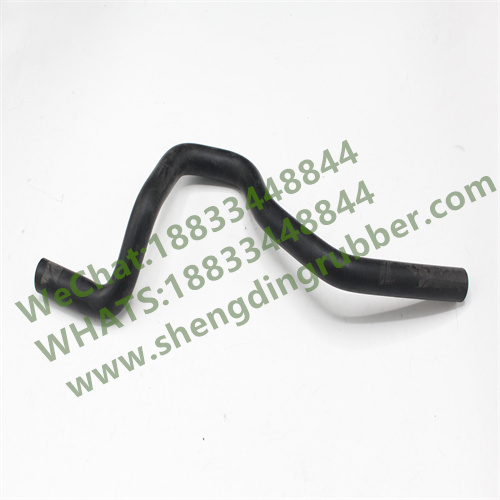
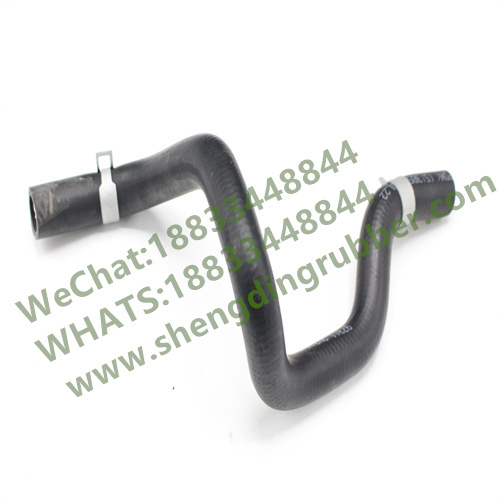
The radiator hose plays a vital role in your car's cooling system. It carries coolant from the radiator to the engine and back, helping regulate the engine's temperature. A damaged or worn-out radiator hose can lead to coolant leaks, engine overheating, and potential engine damage. It is crucial to choose a high-quality radiator hose that is compatible with your vehicle's make and model.
### 2. Types of Radiator Hose Materials
When selecting a radiator hose for your Dodge, Jeep, or Chrysler, you will come across various materials, each with its benefits and drawbacks. Common radiator hose materials include:
#### Silicone Radiator Hoses
- **Advantages**: Silicone radiator hoses are durable, heat-resistant, and available in various colors.
- **Disadvantages**: They can be more expensive than other options.
#### Rubber Radiator Hoses
- **Advantages**: Rubber radiator hoses are affordable and suitable for most vehicles.
- **Disadvantages**: They may not be as durable as silicone hoses.
#### Stainless Steel Braided Hoses
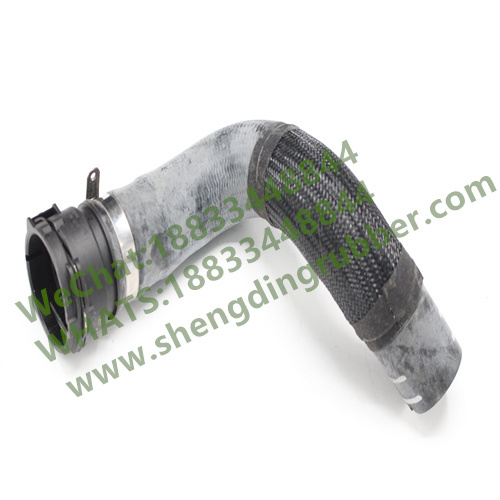
- **Advantages**: Stainless steel braided hoses offer enhanced durability and resistance to abrasion.
- **Disadvantages**: They can be challenging to install and may be more expensive.
### 3. Compatibility with Your Vehicle
Before purchasing a radiator hose, ensure that it is compatible with your Dodge, Jeep, or Chrysler vehicle. Check your car's make, model, and year to determine the right radiator hose size and fit. Installing an incompatible radiator hose can lead to leaks, overheating, and engine damage.
### 4. Choosing the Right Radiator Hose Supplier
When shopping for a radiator hose, it is essential to choose a reputable supplier that offers high-quality products. Look for suppliers that specialize in automotive cooling system components and have positive customer reviews. Ensure that the radiator hose you purchase meets industry standards and comes with a warranty for added peace of mind.
### 5. Frequently Asked Questions
#### Q: How often should I replace my radiator hose?
A: It is recommended to replace your radiator hose every 50,000 to 100,000 miles or as part of your regular maintenance schedule.
#### Q: Can I replace the radiator hose myself?
A: While it is possible to replace the radiator hose yourself, it is recommended to consult a professional mechanic for proper installation.
#### Q: What are the signs of a failing radiator hose?
A: Signs of a failing radiator hose include coolant leaks, engine overheating, and visible wear or cracks on the hose.
#### Q: Are all radiator hoses the same size?
A: No, radiator hoses come in various sizes and shapes to fit different vehicle makes and models.
#### Q: How do I know if a radiator hose is compatible with my vehicle?
A: Check your car's specifications or consult with a radiator hose supplier to determine the right fit for your vehicle.
### In Conclusion
Choosing the right radiator hose for your Dodge, Jeep, or Chrysler vehicle is essential to ensure optimal engine performance and prevent overheating. By understanding the importance of a radiator hose, selecting the right material, ensuring compatibility, and choosing a reputable supplier, you can make an informed decision for your car's cooling system. Stay proactive and prioritize regular maintenance to keep your vehicle running smoothly for years to come.
Key words:
What Else Might You Learn?




Tel: +86-319-5539998
Phone/WhatsAPP: +86-18833448844
E-Mail:hbshengding@163.com
E-Mail:yanxinhao@hbshengdingautoparts.com
E-Mail:arya@hbshengdingautoparts.com
E-Mail:gogm_trade2@hbshengdingautoparts.com
Address: Qinghe County Economic Development Zone, Xingtai City, Hebei Province