Enterprises Mainly Engaged In Automotive Hoses Products

Hyundai KIA Radiator Hose 101: Everything You Need to Know
Release Time:
Apr 15,2024
# Introduction When it comes to keeping your Hyundai or Kia vehicle running smoothly, the radiator hose plays a crucial role in maintaining optimal engine temperature. In this guide, we will cover everything you need to know about Hyundai Kia radiator hoses, from installation to maintenance tips and common issues that may arise. ## What is a Radiator Hose? A **radiator hose** is a key component of
When it comes to keeping your Hyundai or Kia vehicle running smoothly, the radiator hose plays a crucial role in maintaining optimal engine temperature. In this guide, we will cover everything you need to know about Hyundai Kia radiator hoses, from installation to maintenance tips and common issues that may arise.
## What is a Radiator Hose?
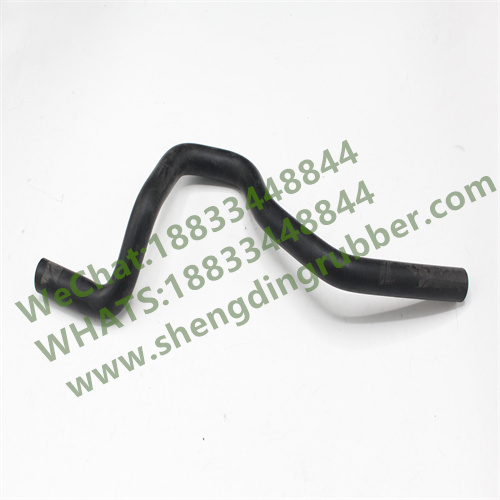
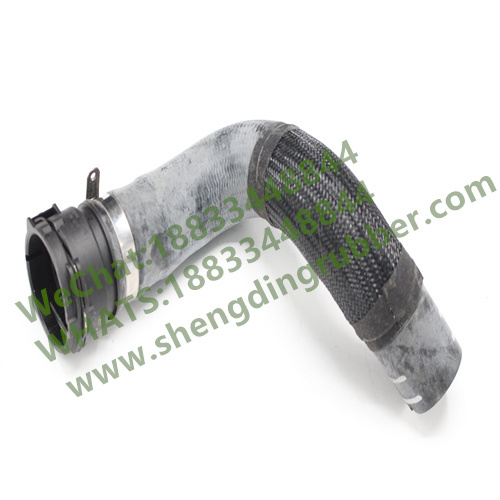
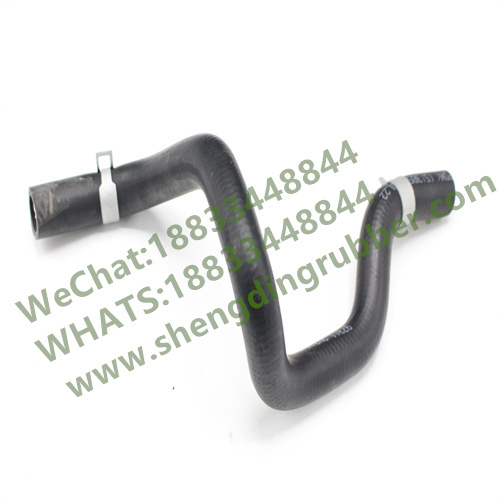
A **radiator hose** is a key component of your vehicle's cooling system that carries coolant from the radiator to the engine and back. It is typically made of rubber or silicone and is designed to withstand high temperatures and pressure.
### Types of Radiator Hoses
There are two main types of radiator hoses:
- **Upper Radiator Hose**: This hose connects the top of the radiator to the engine's thermostat housing.
- **Lower Radiator Hose**: This hose connects the bottom of the radiator to the water pump.
#### Installation Tips
Proper installation of radiator hoses is crucial for the overall performance of your vehicle's cooling system. Here are some tips to keep in mind:
1. **Inspect the Hose**: Before installation, check the hose for any signs of wear or damage.
2. **Use Proper Clamps**: Ensure that the hose clamps are tight and secure to prevent leaks.
3. **Follow Manufacturer Guidelines**: Refer to your vehicle's manual for specific instructions on radiator hose installation.
##### Maintenance Tips
To ensure the longevity of your radiator hoses, regular maintenance is key. Here are some tips to keep them in top condition:
- **Check for Leaks**: Regularly inspect the hoses for any signs of leaks or cracks.
- **Flush the Cooling System**: Flushing the cooling system regularly helps remove debris and contaminants that can damage the hoses.
- **Replace as Needed**: If you notice any signs of wear or damage, replace the hoses immediately to prevent overheating.
###### Common Issues
Despite regular maintenance, radiator hoses can still encounter issues. Some common problems include:
- **Leaks**: Leaks can occur due to wear and tear or improper installation.
- **Cracks**: Over time, the hoses may develop cracks, leading to coolant leaks.
- **Bulging**: Bulging hoses indicate a blockage in the system, which can cause overheating.
####### Conclusion
In conclusion, understanding the importance of radiator hoses and knowing how to properly maintain and care for them is essential for the overall health of your Hyundai or Kia vehicle. By following the tips outlined in this guide, you can ensure that your radiator hoses function efficiently and keep your engine cool under any driving conditions. Remember to regularly inspect and replace your radiator hoses as needed to prevent costly repairs down the road.
Key words:
What Else Might You Learn?




Tel: +86-319-5539998
Phone/WhatsAPP: +86-18833448844
E-Mail:hbshengding@163.com
E-Mail:yanxinhao@hbshengdingautoparts.com
E-Mail:arya@hbshengdingautoparts.com
E-Mail:gogm_trade2@hbshengdingautoparts.com
Address: Qinghe County Economic Development Zone, Xingtai City, Hebei Province